
What happened
Snowflake said Agent Observability, coming soon to private preview in Observe, will trace agent interactions and tie agent behavior to cost and quality.
Why it matters
Teams often sample or drop agent telemetry to control costs, which can leave gaps when investigating poor responses or unexpected AI spend.
What to watch
Its value hinges on whether the private preview delivers on cost-effective retention promises. The launch event on Oct. 22 features Jeremy Burton and Christian Kleinerman.
WHO IT HITSEngineering and platform teams running AI agents in production, along with the leaders who own AI budgets, may gain a way to trace failures and attribute token spend — though the product is not yet generally available.
Summaries like this, in your inbox every morning.
AI agents produce more telemetry than traditional application requests because a single interaction can involve multiple prompts, tool calls, retrievals, retries and completions. That structure makes it hard to pinpoint where quality degraded or what drove token consumption, and retaining all the data can push observability costs up sharply. Snowflake's answer is Agent Observability in Observe, which the company says is built to retain and query high-fidelity agent telemetry at scale. It will offer an optional OpenTelemetry-compliant SDK, an Agent Explorer for searching traces and conversations, online LLM-as-judge evaluations for production traffic, and APIs for querying telemetry programmatically.
The product also aims to connect agent performance and AI spend to business outcomes. Snowflake says token totals alone do not show whether spend is producing value, so Observe derives latency, error, token usage and estimated cost signals from traces, letting teams compare agents, models and workflows. Combined with Snowflake's business data, teams could correlate agent behavior with customer experience, resolution rates, conversion and revenue, or with internal task completion and employee productivity.
Snowflake is emphasizing open standards as a hedge against lock-in. Observe supports OTel-native collection through an OTLP endpoint, and its storage commitment extends to Apache Iceberg. Whether that flexibility, combined with the promised cost economics of the Telemetry Lakehouse Foundation, is enough to win teams already juggling fragmented telemetry across frameworks and cloud services is the open question. For now, Agent Observability is a private preview, and its real-world performance at scale remains to be demonstrated.
For example, today's edition would include:
AI-summarized, only the topics you pick — one digest a day via Email, LINE, or Slack.
Free · 30 seconds with Google · unsubscribe anytimeWhat is AIToday? →
Ask AI anything about this article. Q&As are published on this page for other readers too.
Rosenblatt initiated coverage of Sandisk with a Buy rating and a $2,400 price target

A New York Times columnist gave control of everyday tasks to Meta's AI agent and came away impressed

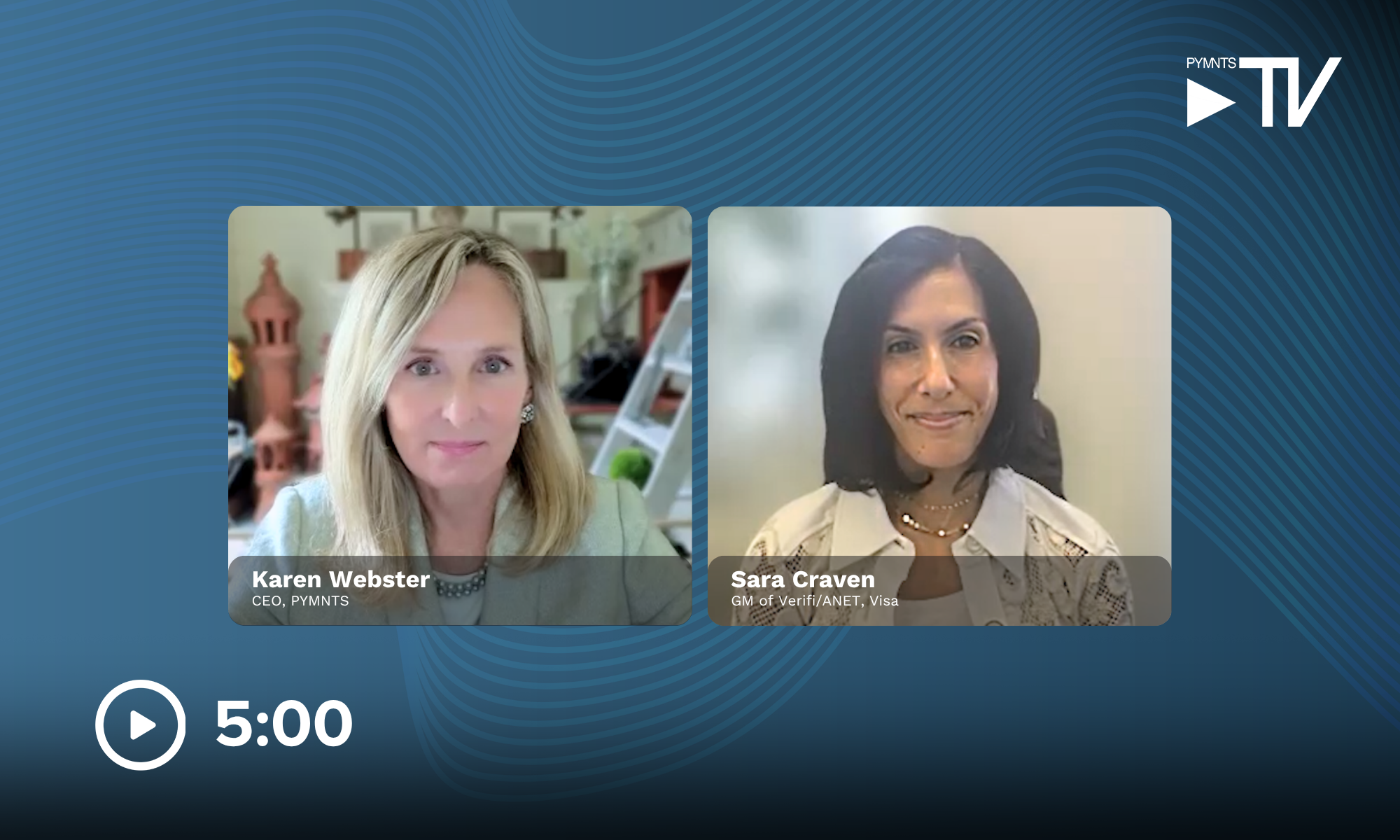
Visa's Sara Craven told PYMNTS that just 11% of small- to medium-sized businesses qualify as agent-ready, vers…
Wells Fargo and other bank stocks fell as Meta's Muse added fuel to AI fears, Barron's reported
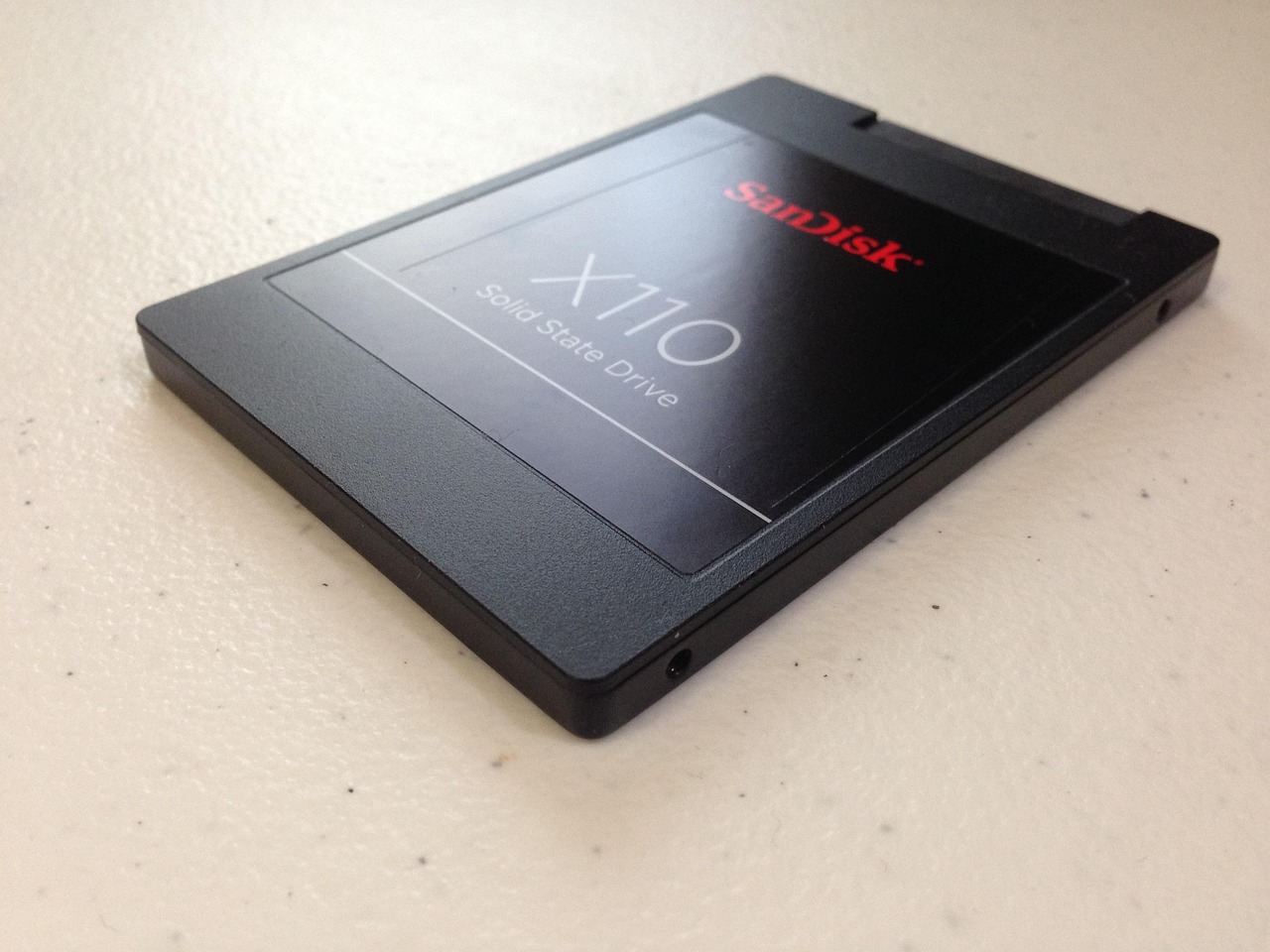
SanDisk now sells much of its output through multiyear New Business Models contracts with eight Datacenter and…
Applied Materials trades near US$444.57 at about 38.1x earnings, below the semiconductor sector average of rou…