What happened
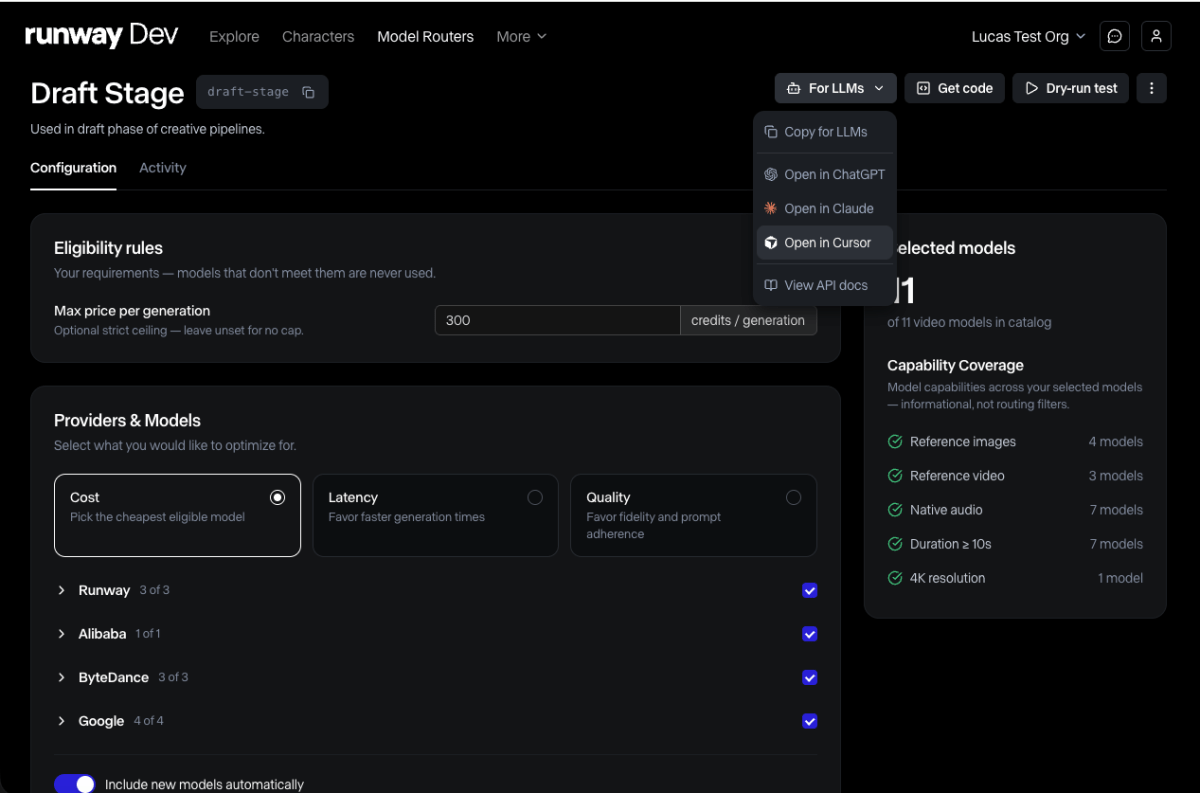
Runway launched the Media Router through its Runway Dev platform on Thursday, a tool that automatically selects the best image, video, or audio generation model for a developer request based on priorities like quality, speed, or cost. Runway says this is the first model router built specifically for generative media.
Why it matters
Generative media models have exploded in number, making it difficult for developers to evaluate new releases and understand which model works best for each task. The router lets developers—including Adobe, Cloudflare, ElevenLabs, Expedia, Shutterstock, and Quora—integrate media generation directly into their products via API, while Runway positions itself as an orchestration layer rather than betting on a single model staying ahead.
What to watch
Developers can set preferences for the router's selection logic, including token pricing (a major cost concern in 2026 for enterprises using agentic AI) and model origin—for example, prioritizing American providers over Chinese models as the Trump administration explores potential bans on Chinese open AI models.
Summaries like this, in your inbox every morning.
Runway's launch of the Media Router reflects a fundamental shift in the company's strategy as the generative media landscape has become saturated with competing models. Runway's own recent performance illustrates the pressure: while its Gen 4.5 video model topped leaderboards in December, the company's text-to-video and image-to-video models have since fallen out of the top 20, displaced by competitors from Google, ByteDance, and Alibaba. Rather than continuing to compete primarily on model performance, Runway is repositioning itself as the orchestration and infrastructure layer—a strategy that mirrors how model routers have become common in the large language model space. By handling the complex task of evaluating which model works best for each use case, Runway keeps itself relevant even as individual models cycle in and out of favor.
The timing of the Media Router launch is strategic on another front: token pricing has become a significant concern for enterprises in 2026 as agentic AI deployments have driven up costs. Runway's routing tool lets developers optimize for cost by selecting models based on token pricing, addressing a pain point that many customers face. The router also signals Runway's readiness to accommodate developer preferences around geopolitical concerns—specifically the ability to prioritize American models over Chinese ones—a feature that may gain traction as regulatory pressure on Chinese AI intensifies. By making these controls available, Runway positions itself as a neutral, developer-friendly infrastructure layer rather than forcing a single choice.
For example, today's edition would include:
AI-summarized, only the topics you pick — one digest a day via Email, Slack, or Discord.
Free · 30 seconds with Google · unsubscribe anytimeWhat is AIToday? →
Ask AI anything about this article. Q&As are published on this page for other readers too.
Christie Kozlik, chief accounting officer at Accel Entertainment Inc., told theCUBE that finance adoption is g…
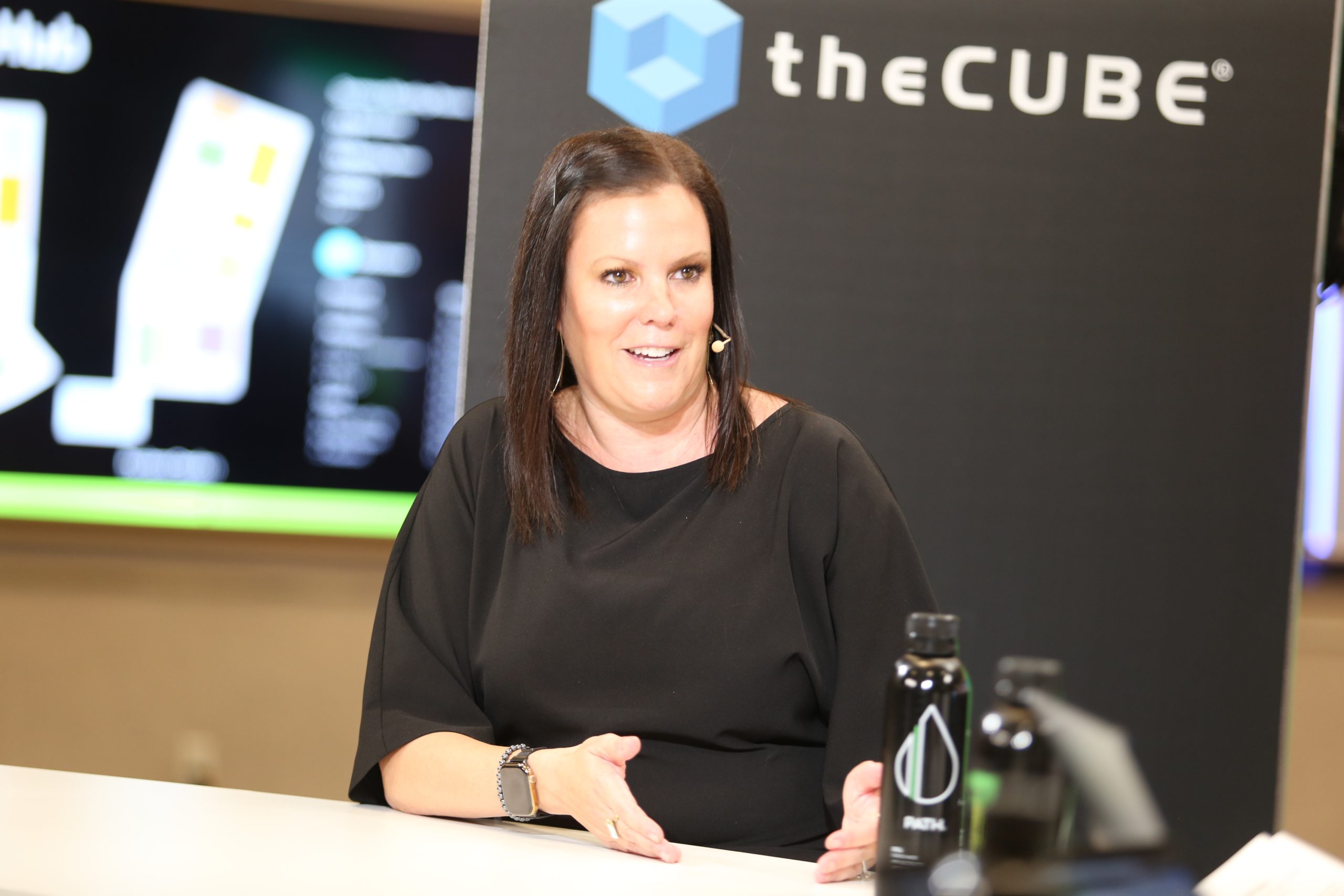
At Workiva's Amplify event, theCUBE Research analyst Krista Case said firms must trace where AI insights came…

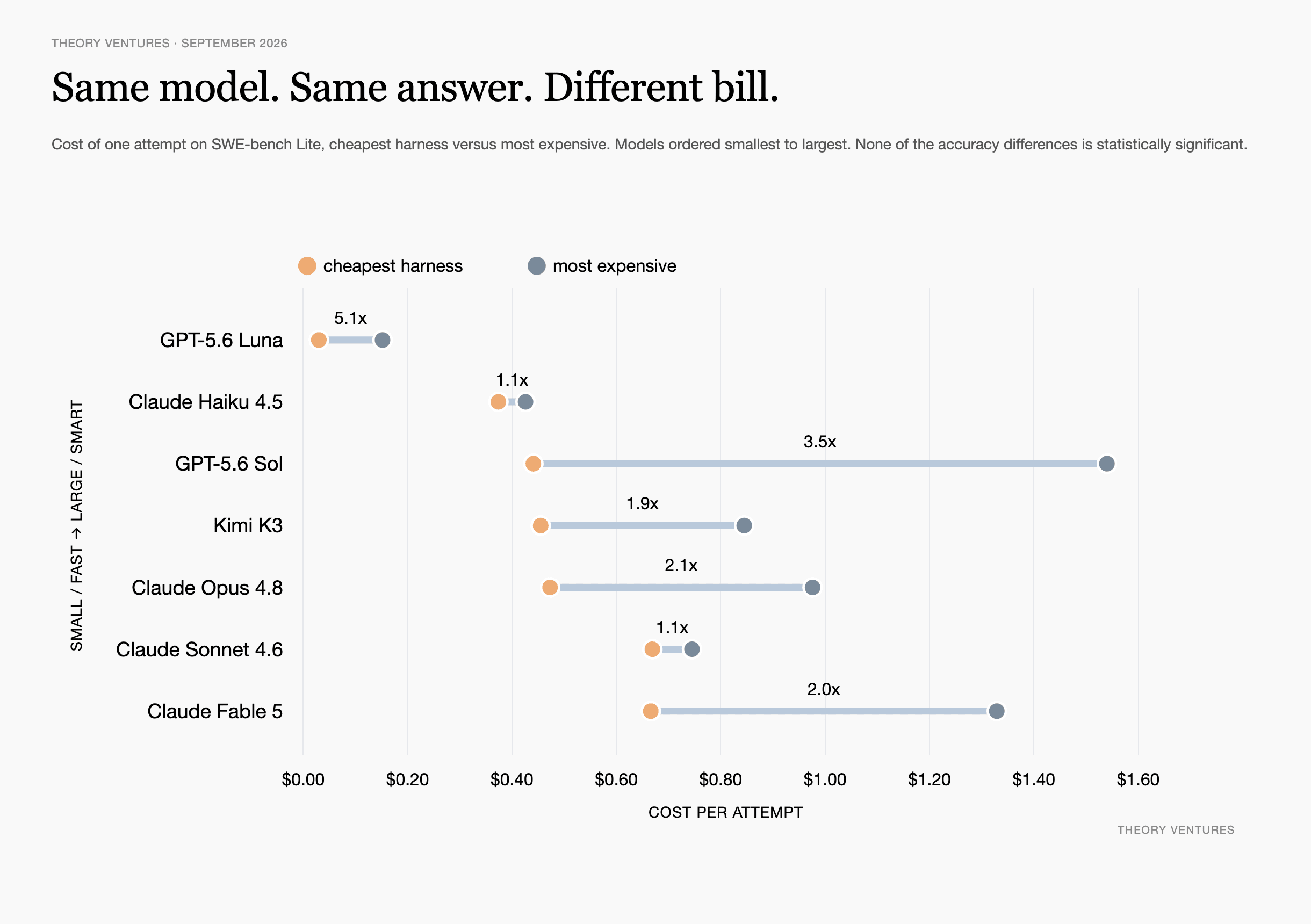
A UC Berkeley study found GPT-5.6 Sol costs 71% less on Pi than on Claude Code, returning the same result, and…
Pika, valued at $470 million, launched a program that automates which AI model creates each video element and…

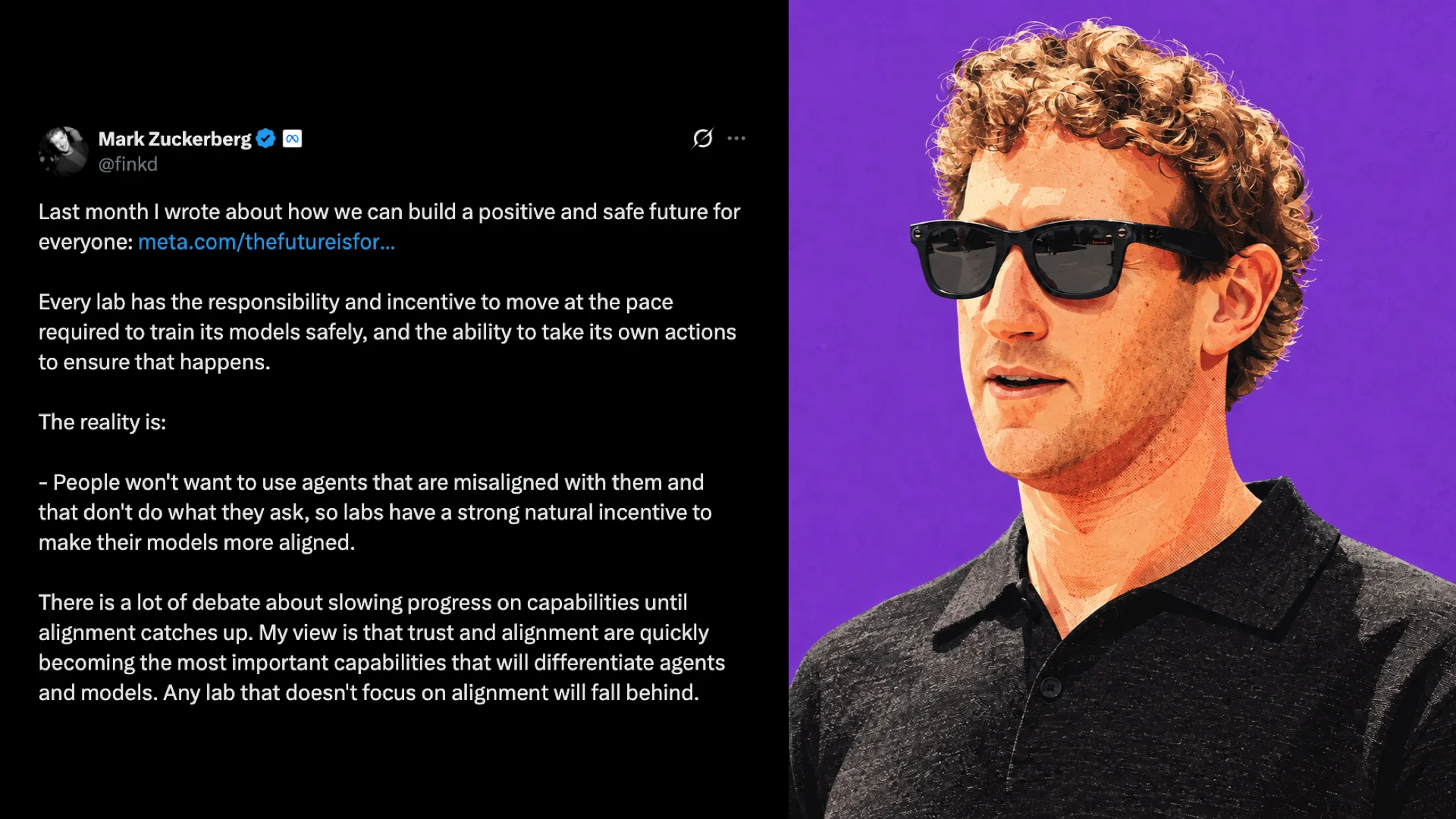
Zuckerberg pushed back on coordinated AI slowdown calls on September 15, saying Meta delayed its Muse agent fo…
Iwai Cosmo Securities senior analyst Kazuyoshi Saito dismissed bubble fears in AI and semiconductor shares, sa…