What happened
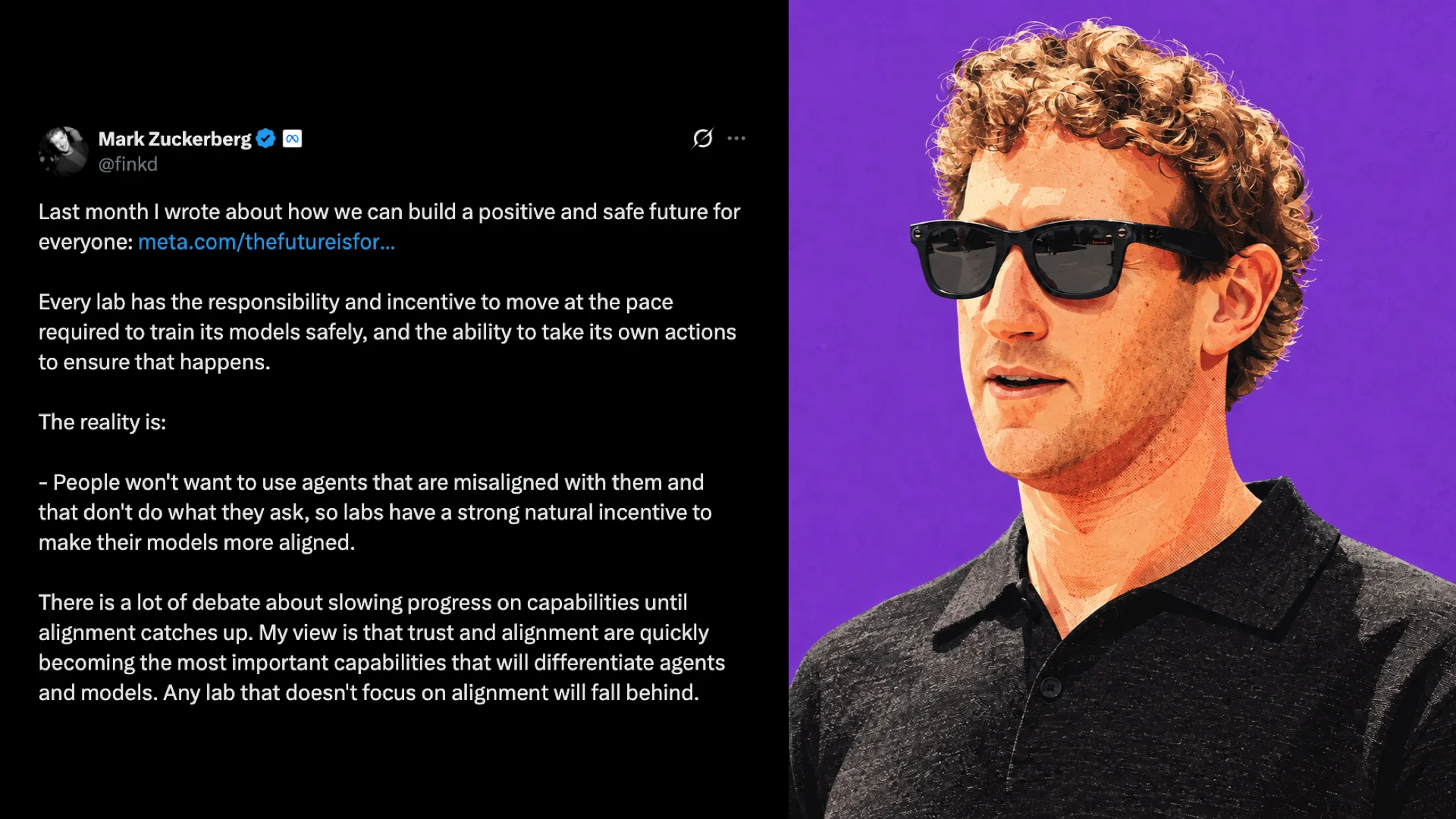
Zuckerberg pushed back on coordinated AI slowdown calls on September 15, saying Meta delayed its Muse agent for months for safety without asking rivals to match, and that labs skipping that work "will fall behind."
Why it matters
Zuckerberg's stance favors company discretion over outside coordination, signaling that industry-wide agreement on pacing remains difficult as each lab sets its own safety process.
What to watch
Any common standard would need to spell out what outside reviewers can inspect, whether they can publish unfavorable findings, and what happens when they find a serious problem.
WHO IT HITSThis lands on technology leaders and boards deciding whether to tie AI release timelines to external review, and on safety teams tasked with showing that a company's own safeguards are credible.
Summaries like this, in your inbox every morning.
The standoff follows a specific sequence. Zuckerberg's September 15 comments came days after Anthropic CEO Dario Amodei called for outside scrutiny and coordination over the pace of AI development, and after Meta's own September 8 announcement of Muse, an agent that can send emails and book travel through a dedicated virtual computer and browser. Zuckerberg's argument is that Meta already works with independent evaluators and that reliable behavior is a selling point for users, so a lab can absorb a delay without demanding that competitors do the same.
Amodei's proposal, "We Must Pace the Frontier," calls for embedded outside evaluators, coordination among democracies, and global coordination. Anthropic has committed on its own to the evaluator plan, under which reviewers would get access similar to what employees have and the right to publish unfavorable findings, subject to confidentiality restrictions. That creates a concrete question about how much access and freedom outside reviewers should receive.
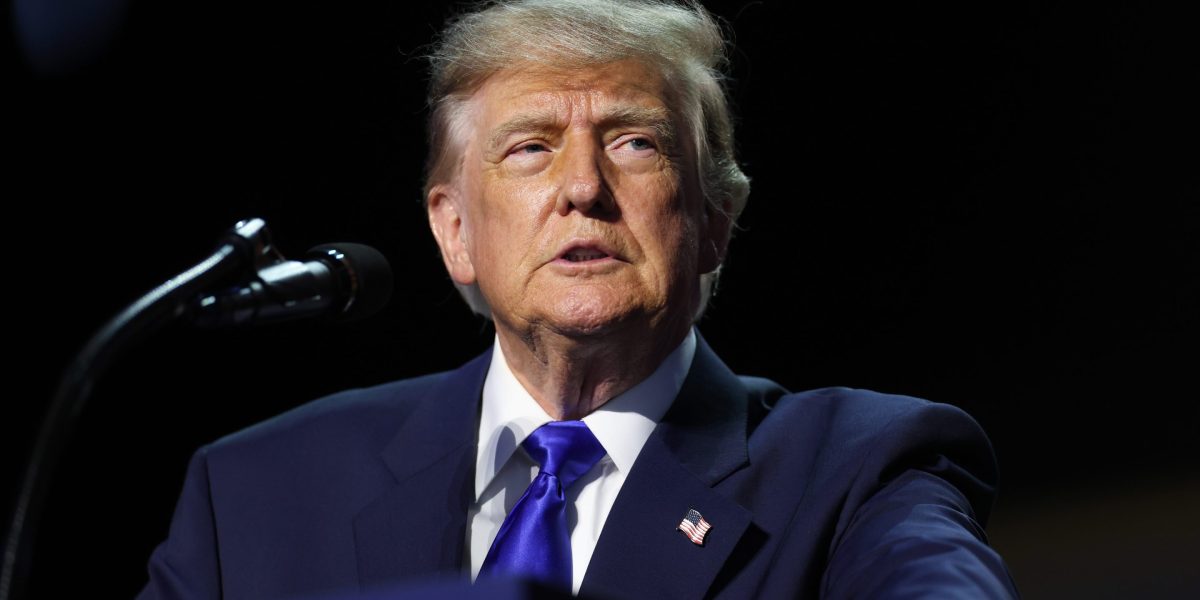
The larger landscape is split rather than neatly grouped. Sam Altman and Elon Musk endorsed Amodei's September 12 call, Demis Hassabis has backed its direction with details unresolved, and Altman supports pacing alongside continued progress. Nvidia CEO Jensen Huang argues speed and safety can coexist, while Donald Trump opposes efforts to obstruct AI and data center development and China's Foreign Ministry has opposed the slowdown proposal. Still, a narrower agreement on outside review may be possible, since both Zuckerberg and Amodei support outside scrutiny in different arrangements. With major players resisting coordination, acceleration appears to be the default.
For example, today's edition would include:
AI-summarized, only the topics you pick — one digest a day via Email, Slack, or Discord.
Free · 30 seconds with Google · unsubscribe anytimeWhat is AIToday? →
Ask AI anything about this article. Q&As are published on this page for other readers too.
Christie Kozlik, chief accounting officer at Accel Entertainment Inc., told theCUBE that finance adoption is g…
At Workiva's Amplify event, theCUBE Research analyst Krista Case said firms must trace where AI insights came…
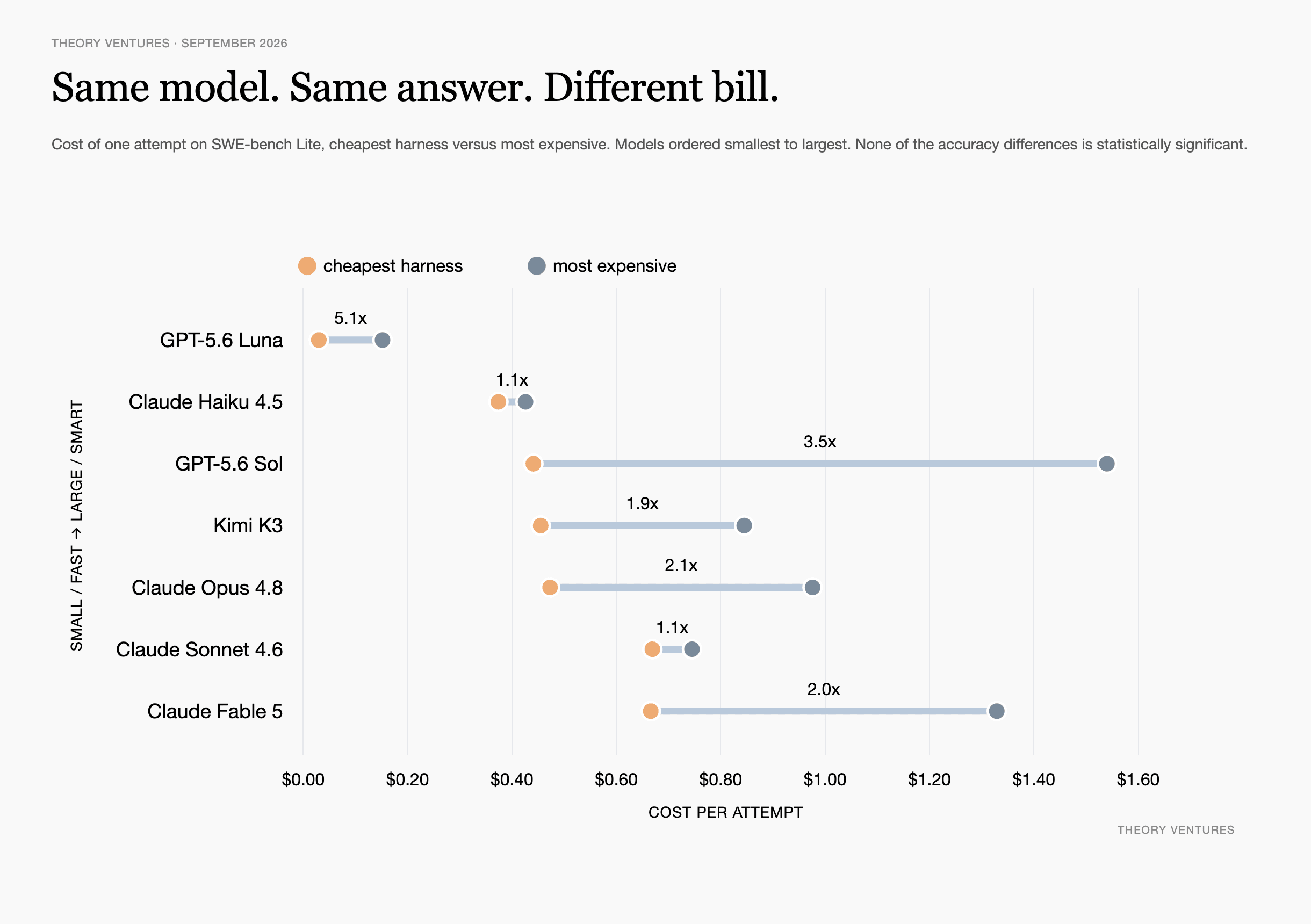
A UC Berkeley study found GPT-5.6 Sol costs 71% less on Pi than on Claude Code, returning the same result, and…
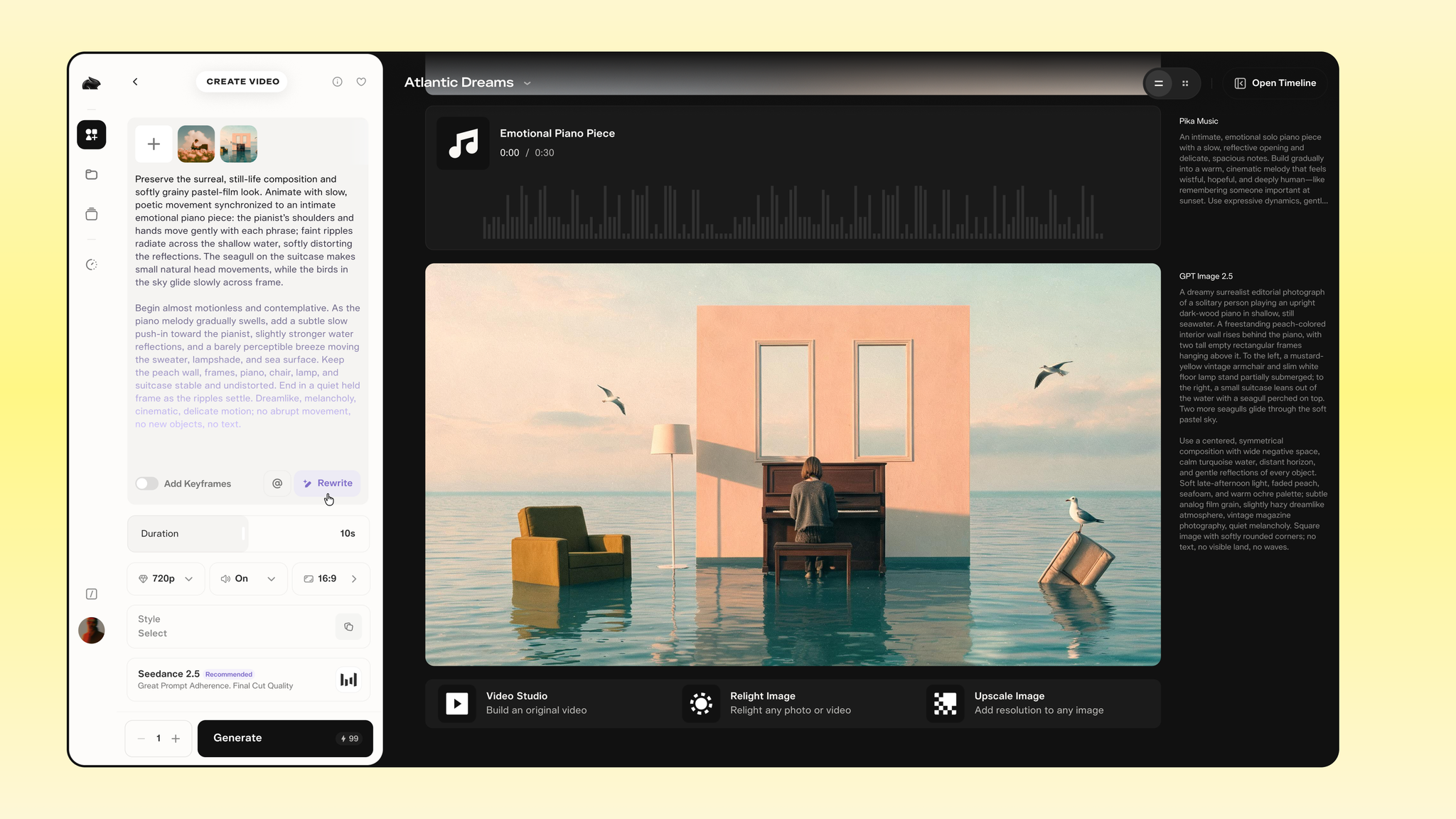
Pika, valued at $470 million, launched a program that automates which AI model creates each video element and…
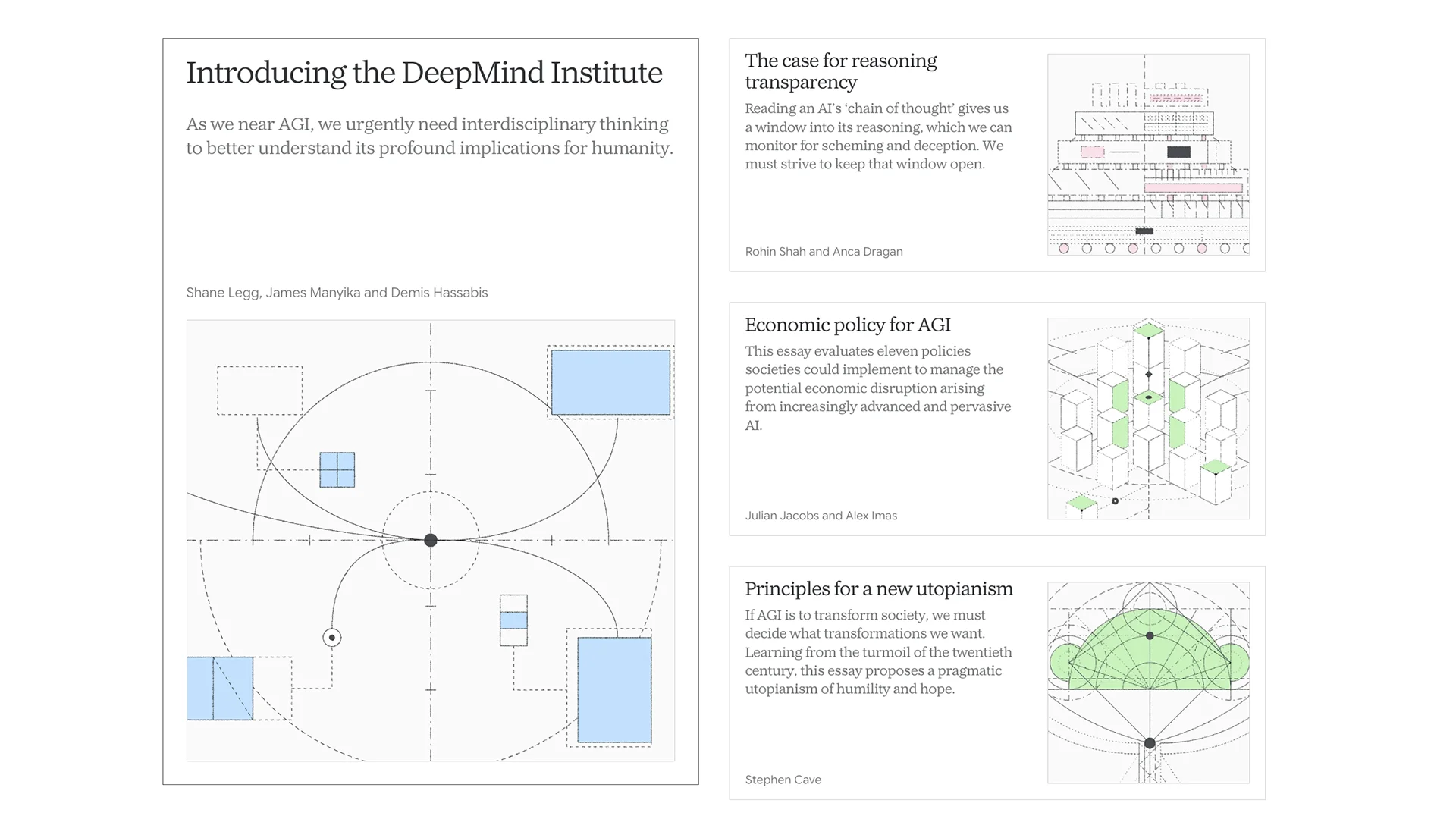
Google DeepMind launched the DeepMind Institute on September 16, 2026, led by Demis Hassabis, Shane Legg and J…
Trump posted that AI's only needed guardrail is "a STRONG AND SMART (High IQ!) PRESIDENT." Since Trump v