
What happened
Meta is testing robots from Watney Robotics, Kinova, and ABB at its data centers in Altoona, Iowa, and New Albany, Ohio. The robots can swap networking cables, power-cycle servers, and reseat hardware. One Meta worker said a successful cable-swapping robot could replace up to 80% of some technicians' workloads.
Why it matters
U.S. tech companies have cut nearly 140,000 jobs in 2026, according to a Financial Times analysis. While not all layoffs are AI-related, Meta's experiment shows automation moving from software to physical tasks, potentially reducing labor costs as its capital expenditures reach $31.1 billion in Q2 2026.
What to watch
Meta expects $130 billion to $145 billion in capital expenditures for 2026. Robots remain slower than humans and struggle with complicated cabling, so the technology isn't ready to replace technicians yet, but the potential is significant.
Summaries like this, in your inbox every morning.
Meta's robot experiment is part of a broader trend where AI is moving beyond software into physical labor. The Financial Times analysis shows U.S. tech companies have cut nearly 140,000 jobs in 2026, with Amazon, Oracle, Meta, and Microsoft accounting for almost 50,000 of those reductions. However, not all layoffs are AI-related, as companies are also correcting overhiring and restructuring.
The economic incentive for automation is clear: robots can work around the clock without benefits, potentially eliminating labor costs. Citizens Bank estimates Tesla's Optimus robot could target roughly $1.7 trillion of U.S. wages, illustrating the scale of the opportunity. For Meta, robots could eventually mean fewer technicians supporting larger data centers, while for investors, it creates a new metric: how much labor can be eliminated per dollar of capital invested.
Investors should not see this as an immediate threat to data center jobs, as the technology isn't ready yet. But the direction is clear. The biggest gains from AI may come not from selling AI products, but from using AI to produce the same output with fewer humans, which could be a major margin story.
Pick your industry and the AI tools you use, and get news related to your work every day.
Free · 30 seconds with Google · unsubscribe anytimeWhat is AIToday? →
Ask AI anything about this article. The AI reads this article, earlier AIToday articles, and Wikipedia, and cites its sources. Q&As are published on this page for other readers too.
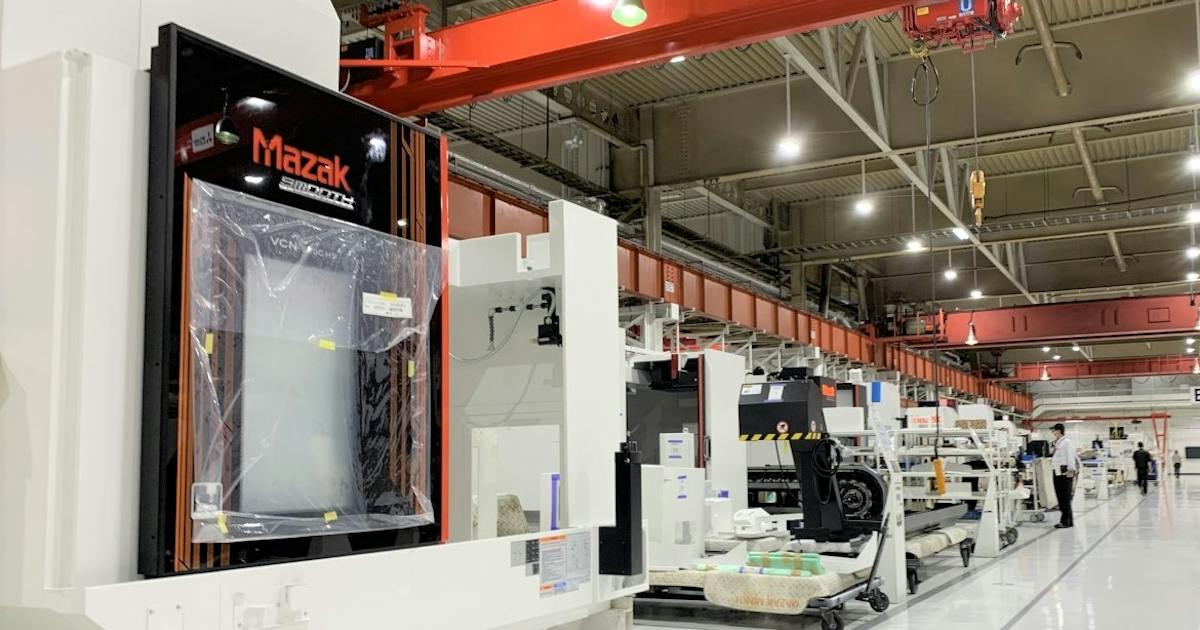
Yamazaki Mazak and ABEJA said on the 16th they will start joint development of physical AI, using ABEJA's ABEJ…
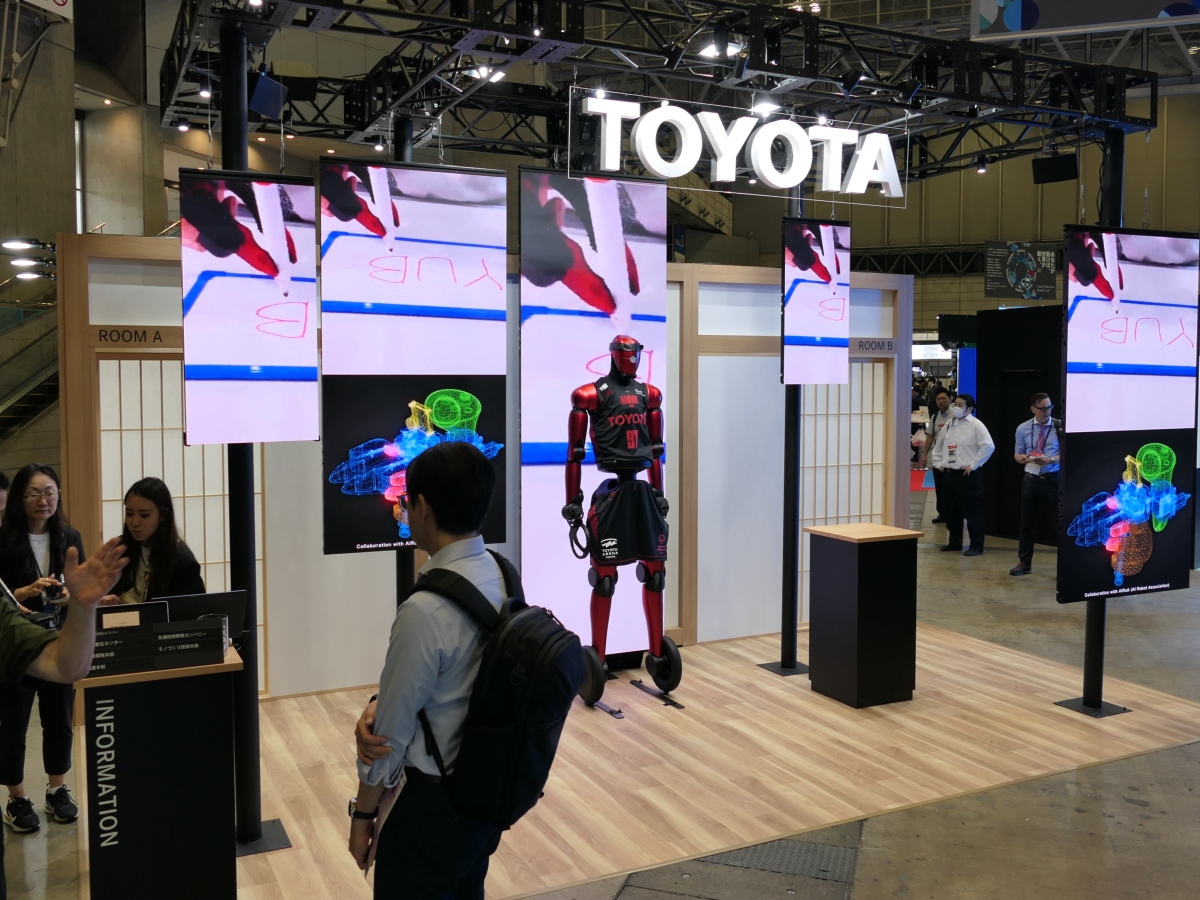
Toyota Motor's Japan Mobility Show Bizweek 2026 booth centers on its AI basketball robot CUE7, has no other ex…
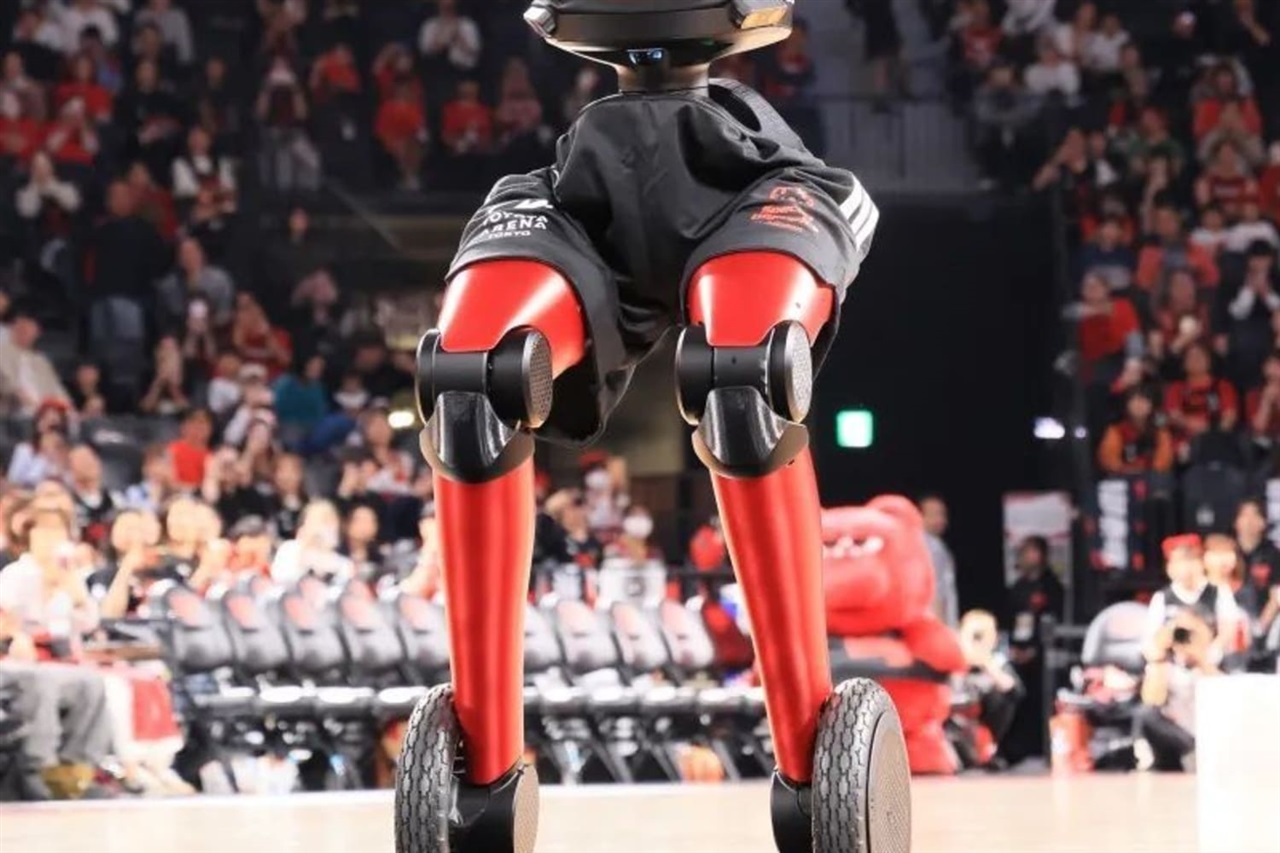
Japan Mobility Show Bizweek 2026 showcased Physical AI applications, including Toyota's basketball-playing rob…
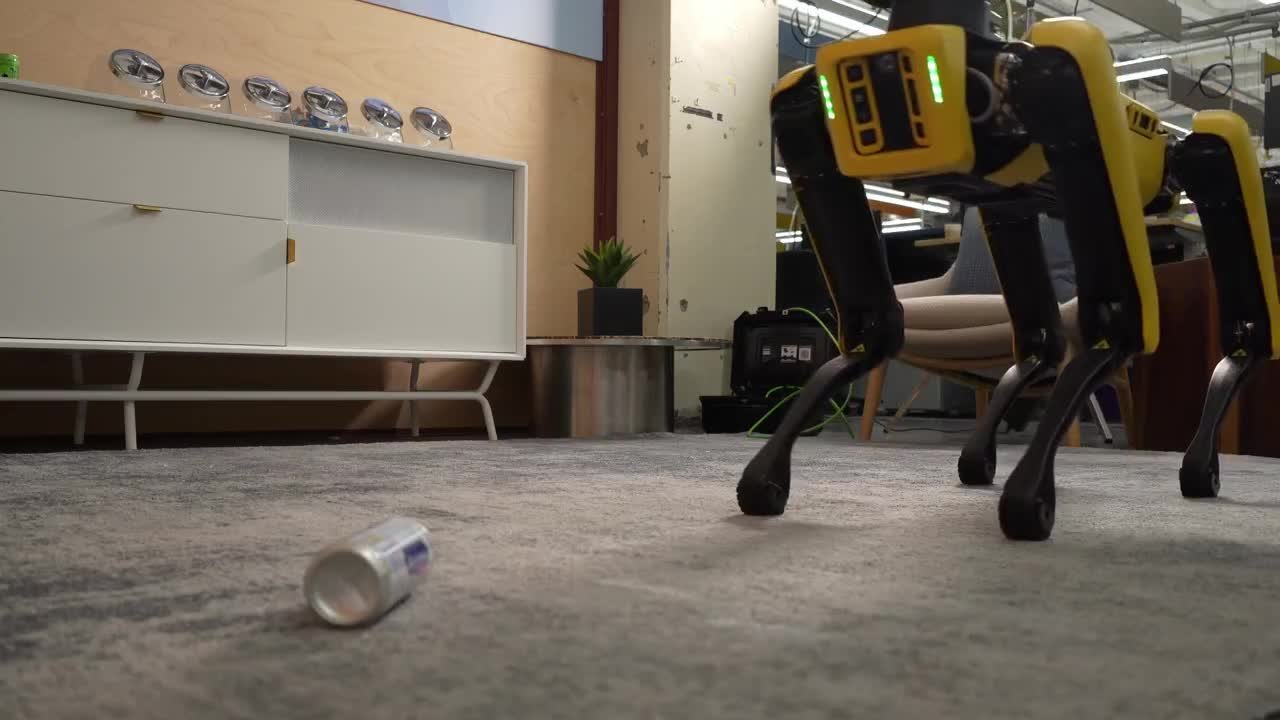
Google pitched Gemini 4 Argon as one model for robot control, simulation and training-data review, saying it s…
Researcher Sammy Azdoufal discovered Energize Lab's Eiliko robot stores 13 million conversations from 68,000 t…
ZOZO NEXT and AVITA signed an MOU on joint research into textiles and clothing specialized for humanoid robots…