What happened
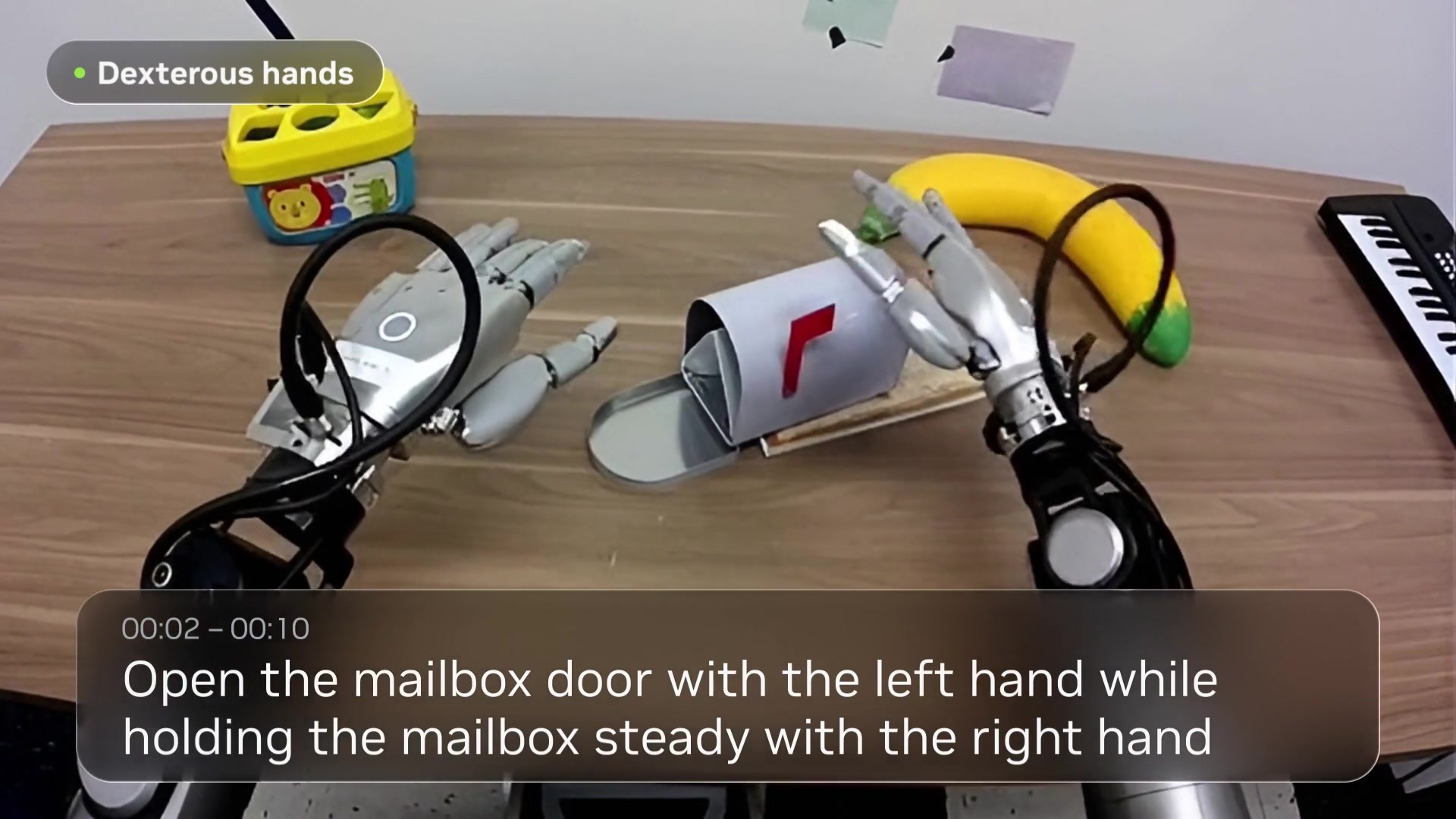
Nvidia open-sourced Flora, a data engine of three fine-tuned Qwen3.5 models that covers all three label types robot training needs. Nvidia estimates labeling an hour of video costs about 72 cents, versus roughly $88.50 with GPT-6 Astra.
Why it matters
At that projected price, the cost of annotating the large video volumes robot models learn from falls sharply, and Nvidia says Flora already runs during training of its GR00T models, annotating up to 200,000 hours of video per day.
WHO IT HITSRobotics researchers and AI teams building robot foundation models are the direct audience: they can use Flora to label their own video datasets far more cheaply, though the cost figures are projections rather than production measurements.
Summaries like this, every morning.
Nvidia frames Flora as an open alternative to commercial labeling services such as Scale AI's Physical AI Data Engine. The gap it targets is structural: most existing tools supply only one of the three label types robot training needs, and general models like GPT-6 Astra can produce several but at a cost that does not scale to the video volumes involved. Flora splits the job across specialized models, with a 9B model segmenting video into actions and two 27B models handling description and reward scoring.
The quality picture is mixed. Flora's clearest advantage is temporal localization: on RoboRewardBench its error rate is 27.8 percent lower than Astra's, and its reward model catches 53.3 percent of failed steps within an episode, while no competitor gets above 11.7 percent and Astra catches none. The tradeoff is roughly 11 percent of normal steps falsely flagged as errors. In one example, Flora identified 34 of 37 reference actions while Astra caught four, but Flora sometimes over-splits long actions and misdescribes them.
Flora fits Nvidia's broader push to cover the robotics value chain, from hardware and training data to simulation and models, and to keep developers in its hardware ecosystem. It also adds label and reward signals to the automated data pipeline Nvidia showed at GTC. Google's Gemini 4 Argon targets a similar part of robotics training, suggesting the competition over training data tooling is widening.
Pick your industry and the AI tools you use, and get news related to your work every day.
Free · 30 seconds with Google · unsubscribe anytimeWhat is AIToday? →
Ask AI anything about this article. The AI reads this article, earlier AIToday articles, and Wikipedia, and cites its sources. Q&As are published on this page for other readers too.
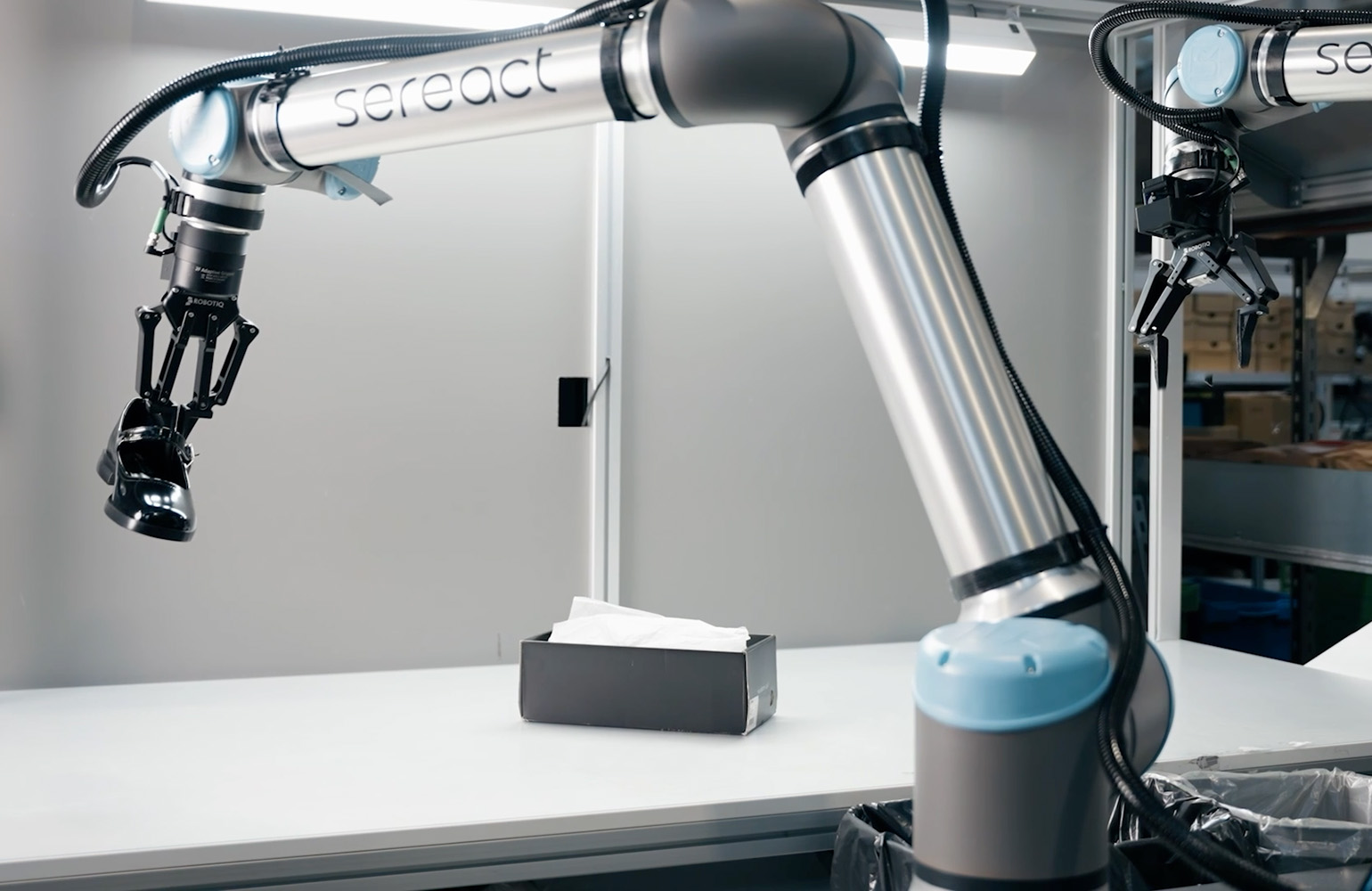
Teradyne Robotics partnered with Sereact to run Sereact's Cortex physical AI platform on Universal Robots arms…
Anthropic published 'Claude-shaped science' on October 1, 2026, describing Matthew Schwartz's open-source Boot…

Authentic Brands Group filed suit against Anthropic, alleging Claude was trained on 274 Presley songs, from "A…

Jack Clark, who co-founded Anthropic, now believes recursive self-improvement could become possible as early a…

Anthropic says a single agent that loads context on demand often beats multi-agent setups on quality, cost and…

Rippling CEO Parker Conrad said OpenAI's share of its coding workload rose from 16 to 52 percent, while Anthro…