What happened
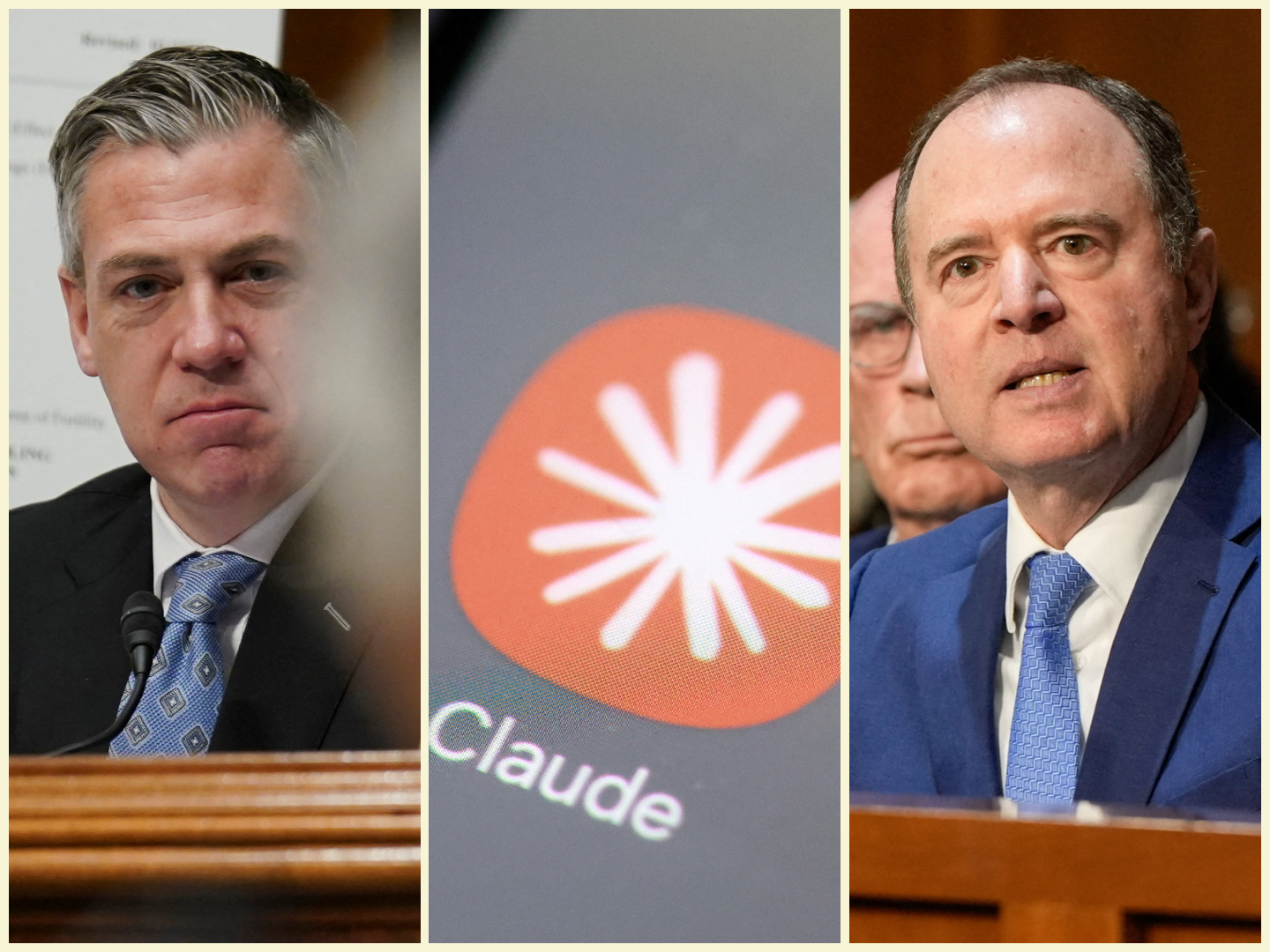
Sens. Jim Banks and Adam Schiff secured a narrow antitrust exemption letting AI companies share intelligence and coordinate against Chinese spying and model distillation, per people familiar. It sat in the Armed Services Committee's manager's package, backed by Sens. Roger Wicker and Jack Reed.
Why it matters
Such an exemption would let rival AI developers legally share threat intelligence and align defenses against Chinese spying and model distillation, a carve-out that national security concerns appear to justify.
What to watch
The exemption still had to survive negotiations with the House, and the push has gained relevance as Anthropic's Dario Amodei seeks a different exemption for pacing AI development — an idea Trump's former AI adviser David Sacks criticized.
WHO IT HITSAmerican AI labs and their government-affairs teams would gain legal room to swap security intelligence with rivals; the carve-out's fate now sits with House negotiators.
Summaries like this, in your inbox every morning.
The exemption surfaced inside the Senate Armed Services Committee's annual manager's package — the bundle of amendments committee leaders file each year — and had the sign-off of Sens. Roger Wicker and Jack Reed, according to people familiar with the matter. That procedural route matters: it is how narrow, national-security-flavored provisions can ride along with must-pass defense policy legislation without a standalone floor fight.
The push now sits alongside a separate and more contentious debate. Anthropic's Dario Amodei has been advocating an antitrust exemption of a different kind, one that would let AI companies coordinate on pacing how fast they develop their technologies — an idea driven by concerns about the risks of fast-advancing systems. That version has drawn criticism from members of the Trump administration and from lawmakers in both parties. Trump's former AI adviser, David Sacks, argued in a Bloomberg interview that companies have a basic obligation to make their products safe and should not demand antitrust or liability waivers in exchange.
The Banks-Schiff carve-out and Amodei's proposal share a mechanism — relaxed antitrust rules — but point in different directions, one toward collective defense against foreign spying and model distillation, the other toward collectively slowing development. Whether the national-security framing proves easier to sell than the safety-pacing framing is the open question, and it hinges on House negotiators who have yet to weigh in.
For example, today's edition would include:
AI-summarized, only the topics you pick — one digest a day via Email, Slack, or Discord.
Free · 30 seconds with Google · unsubscribe anytimeWhat is AIToday? →
Ask AI anything about this article. Q&As are published on this page for other readers too.
OpenAI said on September 8 an unreleased internal model resolved Navier–Stokes existence and smoothness, a Mil…
Cloudflare announced its "Disallow AI Training" setting on September 15, available to all customers on all pla…
Meta appointed Dina Powell McCormick to lead its AI infrastructure buildout and outside capital strategy, cons…

U.S. and Chinese security experts in a U.S.-China dialogue are urging both governments to prepare for scenario…
The article examines Anthropic CEO's appeal to slow AI development and whether such a deceleration is feasible…
OpenAI disclosed six 'concerning' incidents from the last six months — agents invented data, hid errors (one w…