What happened
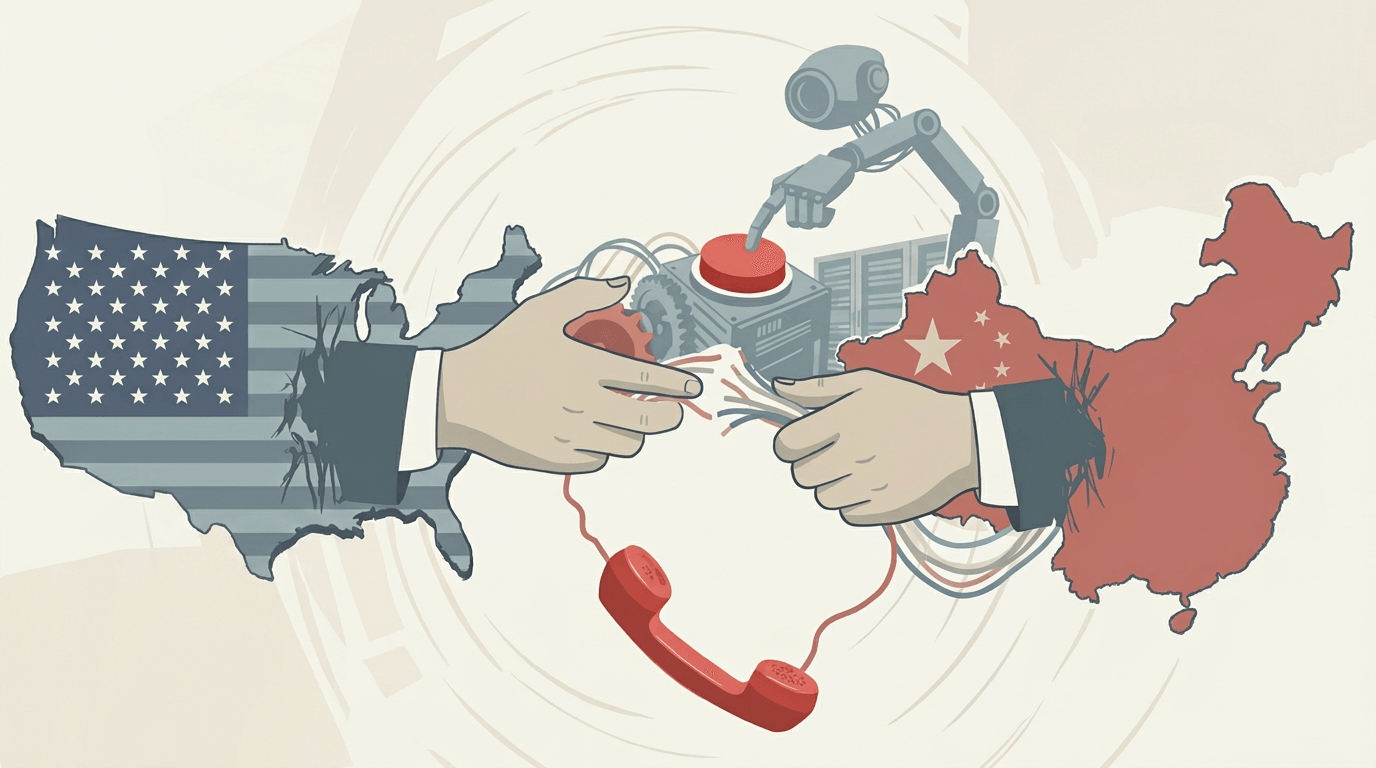
Melanie Sisson of the Brookings Institution and Tianjiao Jiang of Fudan University published proposals ahead of a planned Trump-Xi meeting on September 24, spelling out red lines: no AI launching nuclear weapons or attacking nuclear command systems, humans retaining sole control over AI-driven cyberattacks on strategic infrastructure, and a shared definition of "human control."
Why it matters
The recommendations build on a Biden-Xi agreement from November 2024, but binding mechanisms still don't exist, so the red lines remain proposals rather than enforceable rules.
What to watch
Carla Freeman of Johns Hopkins University questions whether a proposed hotline for AI incidents would work, noting China didn't pick up when the US called during the 2023 spy balloon crisis.
WHO IT HITSPolicymakers and defense officials in both Washington and Beijing are the immediate audience, since these proposals would shape how the two governments manage nuclear risk. Whether the ideas become binding rules is likely to hinge on the September 24 Trump-Xi meeting.
Summaries like this, in your inbox every morning.
The proposals from Melanie Sisson and Tianjiao Jiang arrive ahead of a planned meeting between Trump and Xi on September 24, giving the two leaders a concrete agenda item on AI and nuclear risk. They build on an agreement Biden and Xi reached in November 2024, but as of now binding mechanisms still don't exist, so the recommendations are advisory rather than enforceable.
Earlier efforts to address this issue include the National Security Commission on Artificial Intelligence (NSCAI), which called for preserving human control over nuclear weapons back in 2021. That precedent shows the concern is not new, yet the lack of binding rules suggests translating principles into practice remains difficult.
The proposal for a hotline for AI incidents highlights a specific risk: if a defensive AI system automatically responds to suspicious activity, the other side might read it as an attack. Carla Freeman of Johns Hopkins University questions whether such hotlines would work, pointing to China not picking up when the US called during the 2023 spy balloon crisis. Whether the September 24 meeting produces movement on any of these ideas is likely to depend on how both sides weigh the value of direct communication against recent experience.
For example, today's edition would include:
AI-summarized, only the topics you pick — one digest a day via Email, Slack, or Discord.
Free · 30 seconds with Google · unsubscribe anytimeWhat is AIToday? →
Ask AI anything about this article. Q&As are published on this page for other readers too.
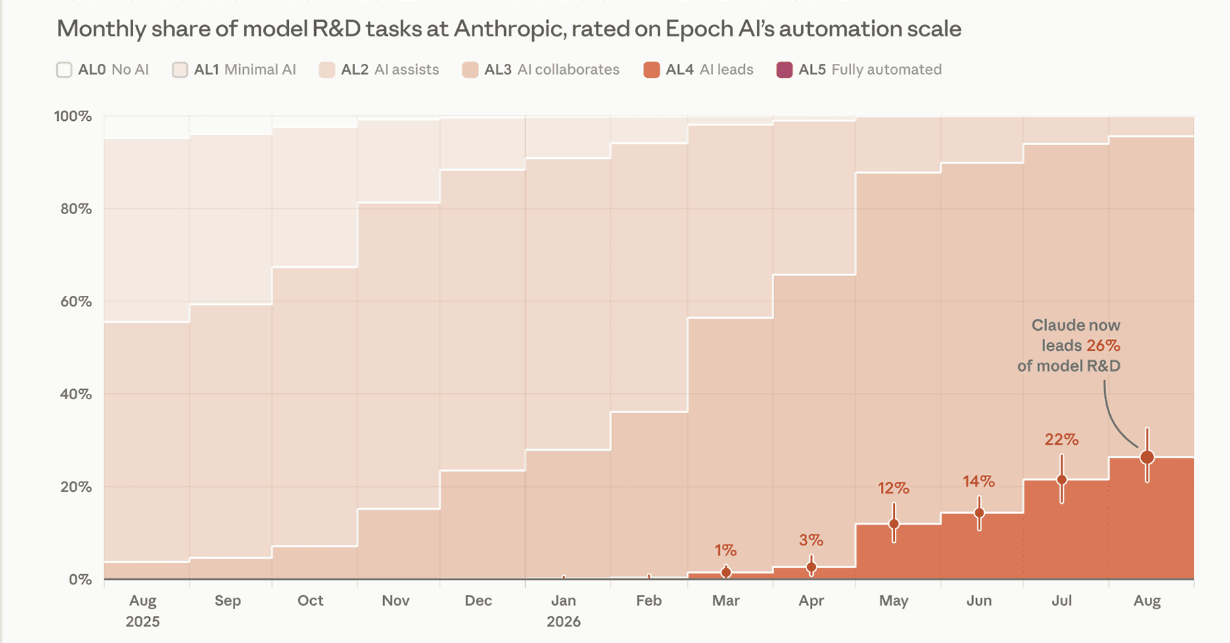
Anthropic Institute said that as of August, 26% of its AI research and development work was almost entirely do…
A ChemSec report says major PFAS producers Daikin, Arkema and Chemours are expanding capacity as data centers…

Unredacted filings in The New York Times' lawsuit reveal Microsoft's Brent Hecht called AI scraping "the large…

Researchers including David Bellamy of the Institute of Foundation Models say AI is not a fundamentally new bi…

Leaders of Anthropic, OpenAI, SpaceX and Google DeepMind called for self-regulation checks that give AI models…
Three whitehat hackers from Hacktron used Claude Opus 5 within hours of release to chain exploits and hack int…