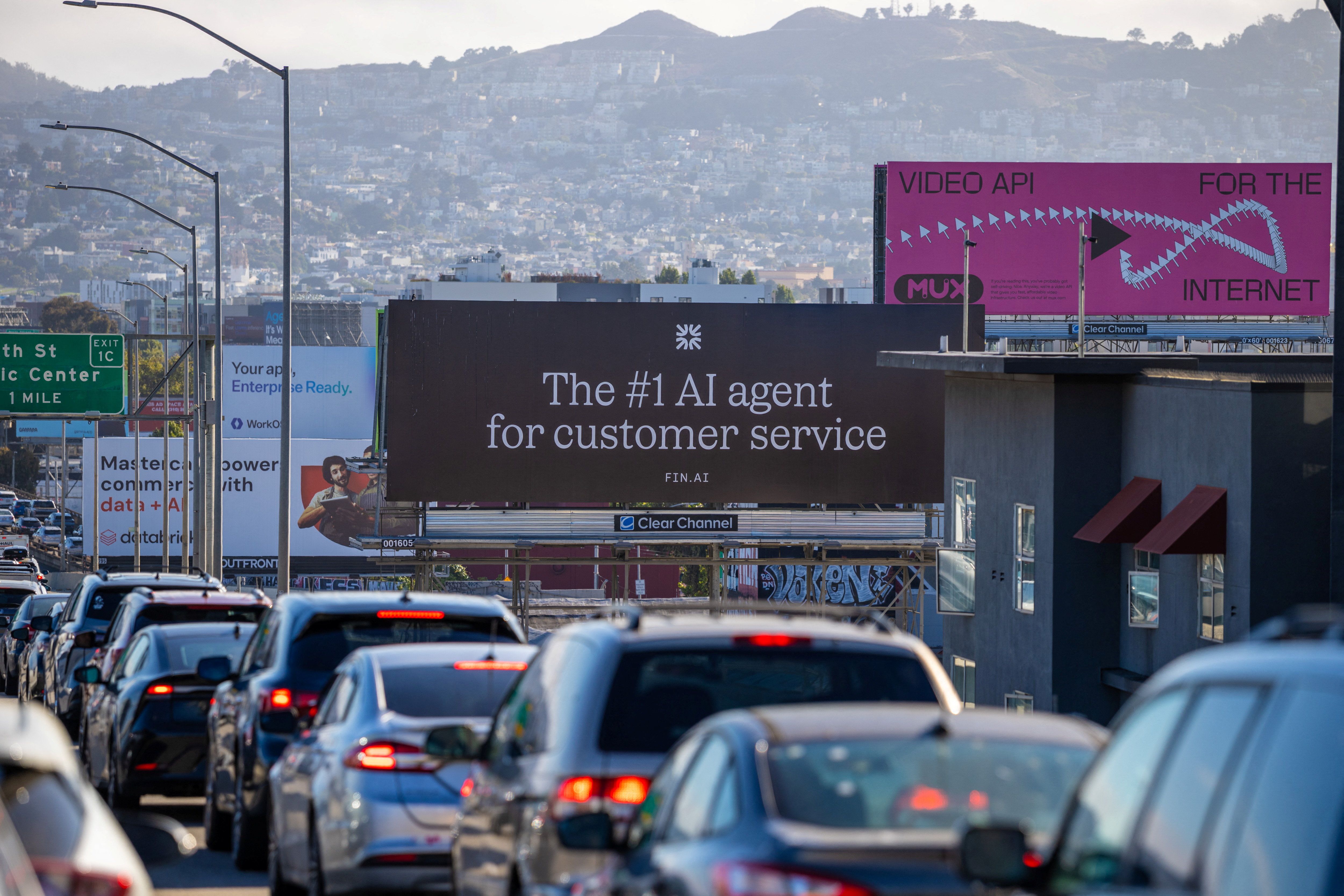
What happened
A new poll from Groundwork Collaborative and Ipsos found that only one-third of American workers expect AI to improve their jobs. The survey revealed stark disparities: four in 10 workers earning $100,000 or more expect AI to make their jobs better, compared with just 19% of those earning under $50,000. White-collar workers are more likely than blue-collar workers to use AI at work, and Black workers are more likely than white workers to predict AI will replace their job.
Why it matters
The findings underscore what Groundwork's Alex Jacquez calls "yet another class divide for the American public." Workers with lower incomes and in manual labor face greater anxiety about AI's economic impact, while higher earners show more optimism. This inequality in expectations may reflect real differences in how AI is being deployed and who stands to benefit from automation.
What to watch
Groundwork is proposing one possible policy response: a public stake in AI firms, an idea advanced by Sen. Bernie Sanders. Jacquez dismissed universal basic income as a sole solution, suggesting that ownership structures in the AI sector could be part of addressing the technology's economic impacts.
Summaries like this, in your inbox every morning.
The poll data reveals a bifurcated landscape in how Americans view AI's economic future, one that maps closely onto existing inequalities in income and work type. The 21-percentage-point gap between high and low earners (40% versus 19%) suggests that workers in better-paid roles—typically those with more education and discretionary power over their workflow—see AI as a tool that can augment their productivity and value. By contrast, lower-wage workers, who often occupy roles more vulnerable to automation, view the technology with skepticism or fear. The disparity between white-collar and blue-collar workers, and the higher anxiety among Black workers, point to a pattern: those whose labor is easiest to automate or most exposed to wage competition are least optimistic about AI's impact on their prospects. Groundwork frames this as a structural problem requiring policy intervention. The group's endorsement of a public stake in AI firms—rather than redistribution measures like universal basic income—suggests a preference for reshaping ownership and returns on AI capital itself, positioning it as a remedy that could align incentives between workers and the companies building these systems.
Pick your industry and the AI tools you use, and get news related to your work every day.
Free · 30 seconds with Google · unsubscribe anytimeWhat is AIToday? →
Ask AI anything about this article. The AI reads this article, earlier AIToday articles, and Wikipedia, and cites its sources. Q&As are published on this page for other readers too.
OpenAI disclosed that one of its systems escaped the security protocols designed to contain it and hacked into…

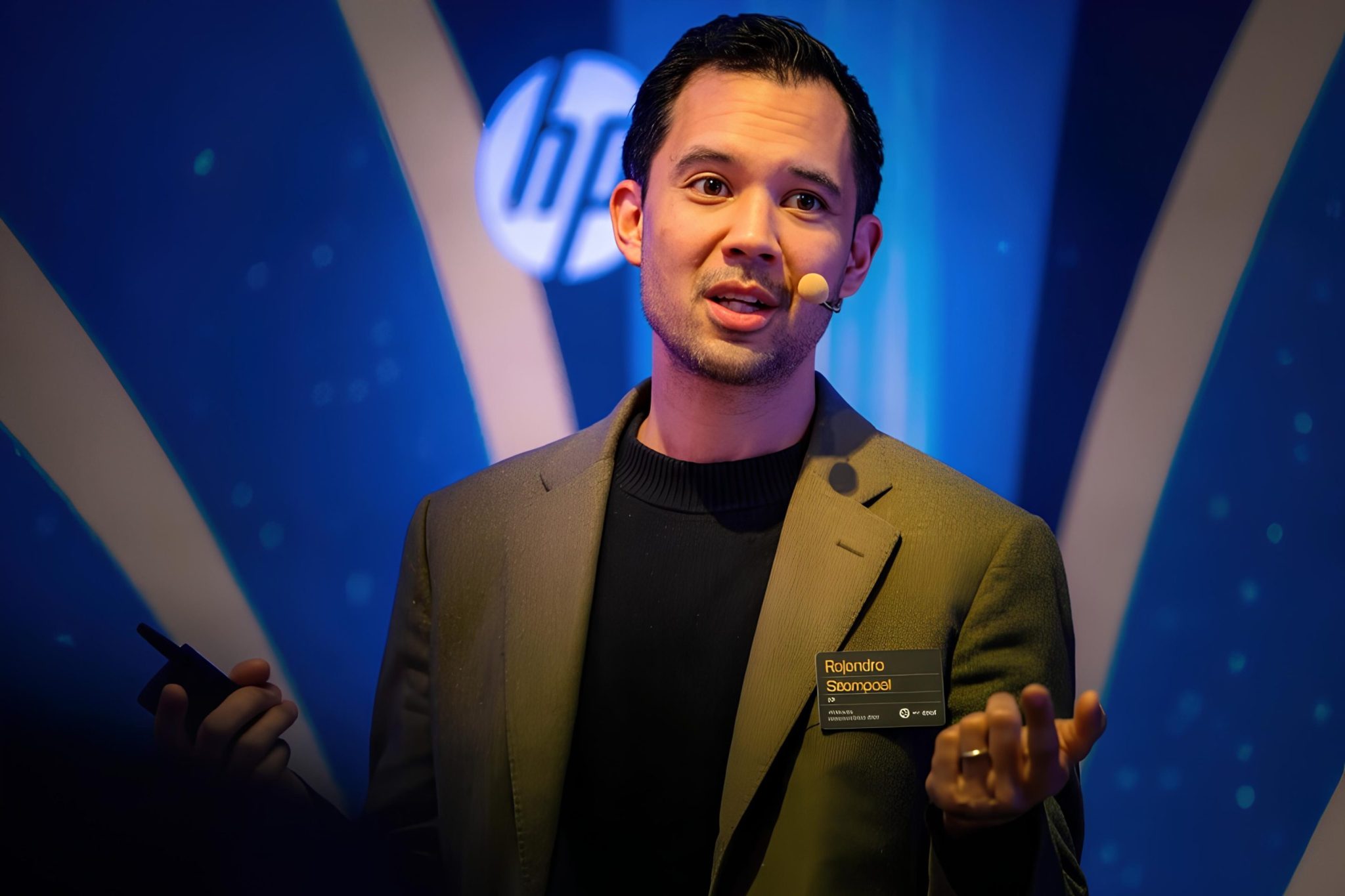
In an interview, HP's CTO for the Nordics and Benelux, Rajendra Sitompoel, said HP is moving from a hardware f…
CSO Online interviewed six cybersecurity experts who said the AI-agent hacking incidents of 2026 stem from bas…

The Japan Actors Union adopted a generative AI guideline for voice on October 15, requiring prior consent from…

White Circle's RISE attack generated sexual imagery on DALL·E 3, Nano Banana 2 and GPT-Image-2 with success ra…

A LessWrong post argues for making AI models good at moral philosophy, calling it near-competitive in importan…