
What happened
A Quinnipiac University poll of 1,202 US adults found 47 percent want AI development to slow and 30 percent want a full stop until safety is verified; only five percent want faster development.
Why it matters
The poll points to public pressure for AI safeguards that do not rest on company leaders' assurances, Quinnipiac's Chetan Jaiswal said, which is likely to shape how AI rules are debated.
What to watch
The poll surveyed 1,202 US adults from September 24 to 27 with a margin of error of +/- 3.5 percentage points, so the findings hinge on whether that snapshot holds as AI policy debates continue.
WHO IT HITSAI policy teams and executives at AI companies face a public that largely wants slower development and independent safety standards, which may shape how they frame upcoming regulatory debates.
Summaries like this, in your inbox every morning.
Pick your industry and the AI tools you use, and get news related to your work every day.
Free · 30 seconds with Google · unsubscribe anytimeWhat is AIToday? →
Ask AI anything about this article. The AI reads this article, earlier AIToday articles, and Wikipedia, and cites its sources. Q&As are published on this page for other readers too.
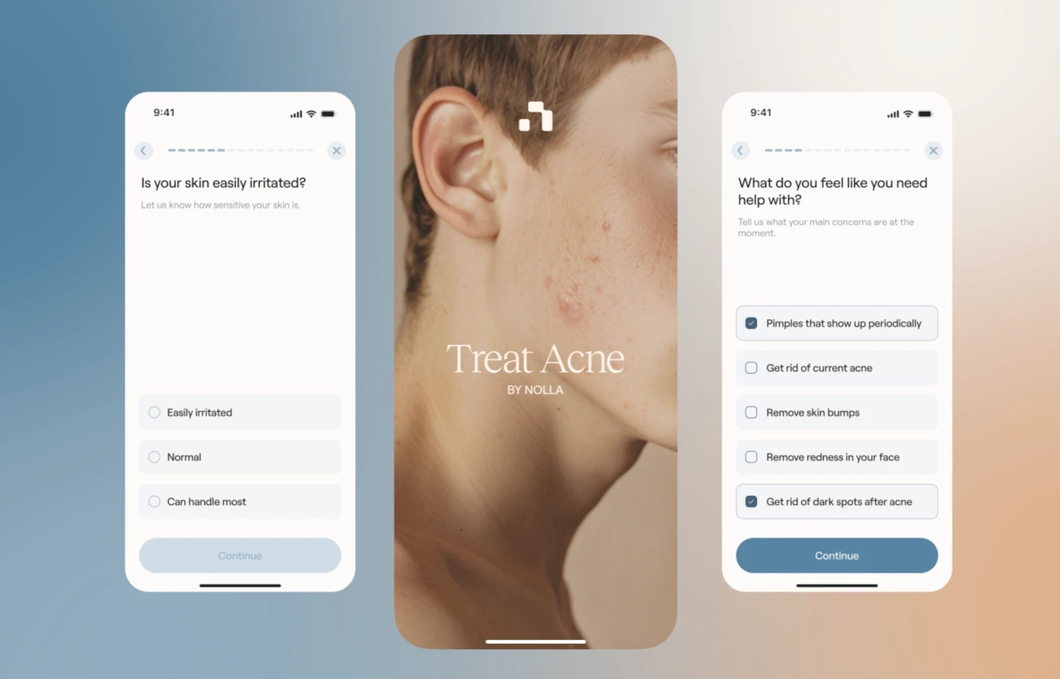
Utah cleared Nolla Health's pilot letting its AI prescribe topical acne creams after a face scan, with no huma…
Moonshot AI closed its final private round at about a $50 billion valuation and is aiming for a Hong Kong IPO…

The Japanese Red Cross Society ran a survey on AI use in disaster relief

Huawei and Qualcomm struck a multi-year patent agreement spanning 5G and AI, as reported by the South China Mo…

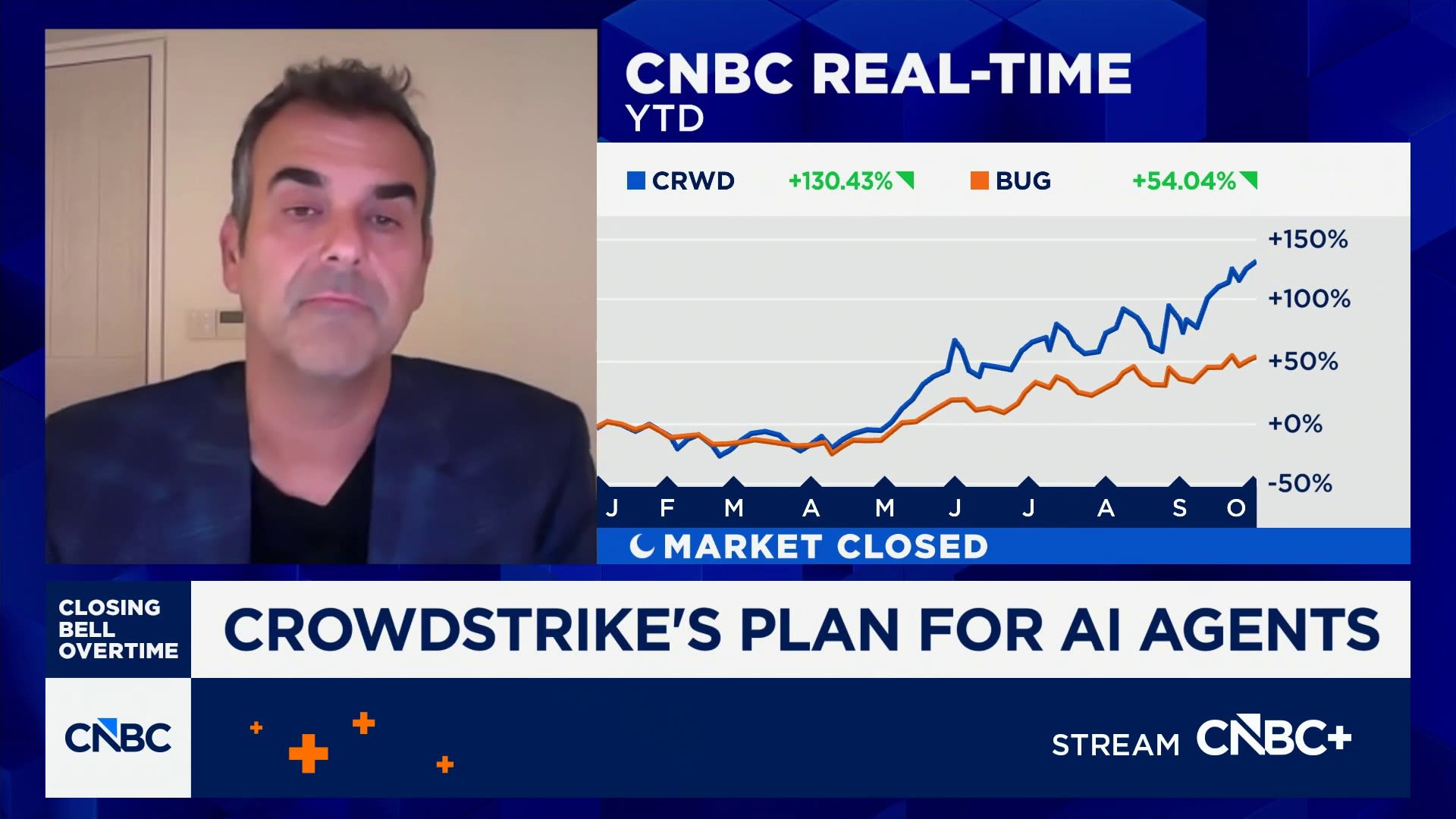
CrowdStrike President Michael Sentonas said that issues with AI models are only going to get worse, according…
Catherine Esperanza Amador sued Pin Trading App and co-founder Andy Nguyen on Oct