What happened
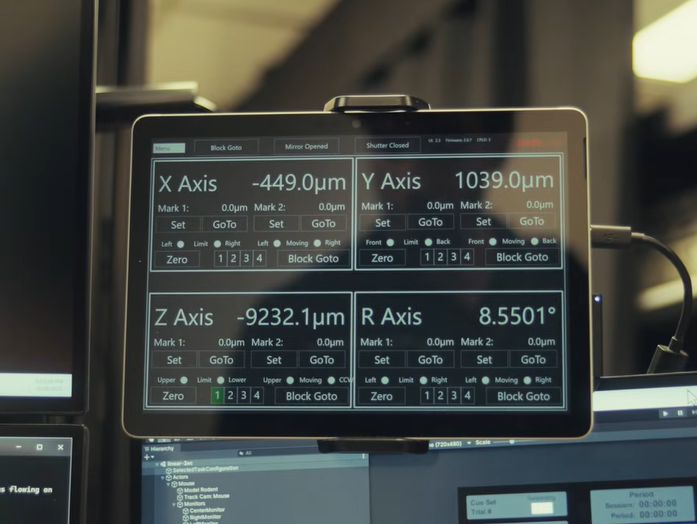
Anthropic PBC previewed the Model Hardware Standard (MHS), a unified interface that lets AI agents control scientific instruments such as microscopes. It was developed with HHMI and is currently available only to a limited number of partners.
Why it matters
MHS replaces device-specific APIs, which are often incompatible, with a single set of configuration commands. This makes it easier for researchers to automate lab workflows and allows AI agents to manage machines, as shown by HHMI's AI agent that operates microscopes and QuEra Computing's use of MHS with Claude to coordinate lasers.
What to watch
Anthropic plans to release MHS under an open-source license and says it could also control manufacturing equipment. Amazon Web Services, Hugging Face, and several industrial robot suppliers are already working to integrate MHS, while Anthropic will develop safety features with early adopters before broad availability.
Summaries like this, in your inbox every morning.
The Model Hardware Standard addresses a practical bottleneck in laboratory automation: the need to write custom code for each instrument's unique API. By offering a single configuration interface, MHS simplifies the programming task and, crucially, makes it feasible for AI agents to take over. Anthropic's internal test, where Claude generated a script to adjust laser positions, demonstrates the potential for cost savings compared to inference-based workflows.
The collaboration with HHMI, a medical research institute, and the early involvement of QuEra Computing and AWS suggest a focus on both scientific and industrial applications. The open-source plan could accelerate adoption, but safety features are still being developed, indicating that the standard is not yet ready for widespread use. The integration efforts by cloud and robotics companies may signal broader implications for manufacturing, though this remains a stated ambition rather than a completed outcome.
Pick your industry and the AI tools you use, and get news related to your work every day.
Free · 30 seconds with Google · unsubscribe anytimeWhat is AIToday? →
Ask AI anything about this article. The AI reads this article, earlier AIToday articles, and Wikipedia, and cites its sources. Q&As are published on this page for other readers too.
In Q2, billionaires or their funds sold six 'Magnificent Seven' AI stocks
Nvidia was rising early Friday, even as the wider chip sector kept falling, Barron's reported
ElevenLabs completed a $300 million employee tender at a $22 billion valuation, and co-founder Mati Staniszews…
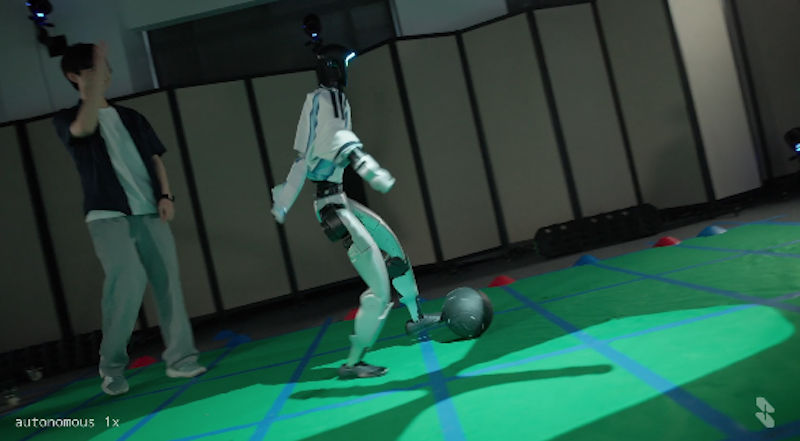
Skild AI used Nvidia Isaac Sim to give its S1 model one objective — score a goal — and let it compete against…
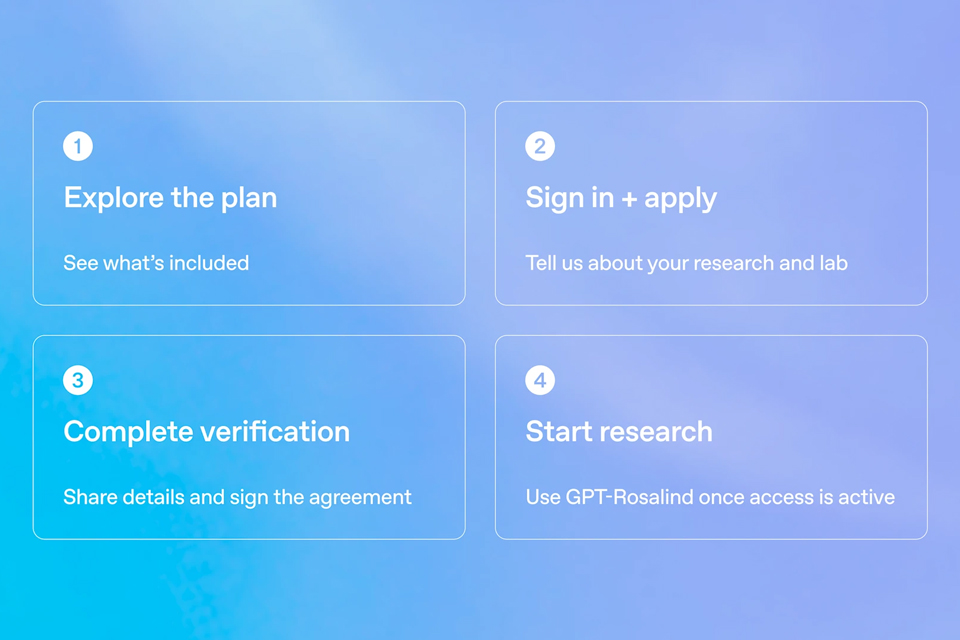
On October 15, OpenAI announced the Rosalind Academic Plan, giving approved US university labs free access to…
Neostellar Capital principal Evan Schlossman said CoreWeave's $103.7 billion in remaining performance obligati…