What happened
Treble raised $18 million in a Series A extension led by Paladin Capital Group, with KOMPAS VC, Frumtak Ventures, EIC and Omega ehf participating. It raised $12 million in 2024, taking its total to over $40 million.
Why it matters
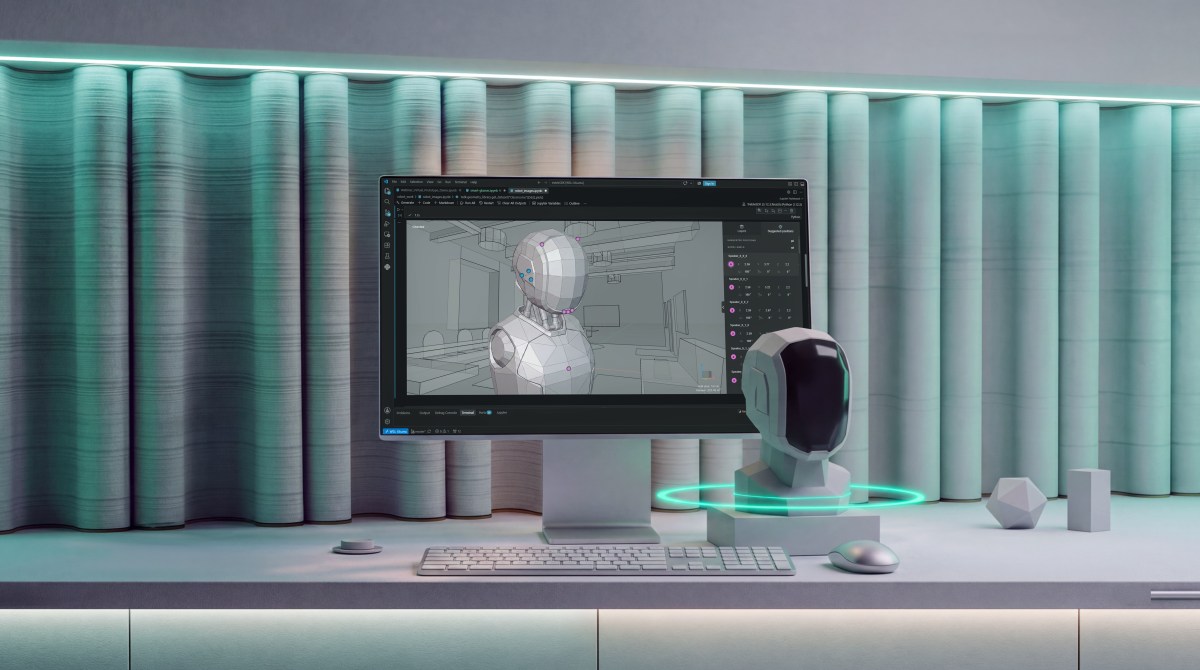
Treble's simulation platform gives voice AI labs, wearables and robotics makers a way to generate synthetic audio data and test models, an alternative to internet-scraped recordings that Paladin sees as increasingly valuable infrastructure.
What to watch
Treble aims to expand into physical AI, including robotics, automotive and drones, so the test is whether it can win those customers beyond Amazon and Logitech. Watch how its Hugging Face speech-recognition benchmark is used.
WHO IT HITSVoice AI model developers, headphone and speaker makers, and AI wearable, smart glasses and robotics companies that need acoustic testing and synthetic audio data are Treble's target users. Its simulation approach may reduce their reliance on internet-scraped recordings, though that shift depends on adoption.
Summaries like this, in your inbox every morning.
Treble was founded in 2020 by acoustic engineers Finnur Pind and Jesper Pedersen, and it has been building its position as voice AI becomes a heavily funded sector. The company's pitch, in Pind's words, is that "audio AI is really a data challenge" and that accurate physics simulation can offer an alternative to recordings and internet-scraped data.
Treble's business spans two related fronts. For voice AI companies, it generates synthetic data and evaluates models in different conditions; earlier this year it partnered with Hugging Face on a benchmark for speech recognition models across realistic conditions. For hardware makers, it does virtual prototyping so headphone and speaker companies can understand how a product might sound, and it has moved into simulation testing for smart glasses and AI devices.
The new funding is aimed at pushing Treble into physical AI — robotics, automotive and drones — where sound-based functions could be tested and simulated. Paladin's Francois Ruether frames the bet as infrastructure: as more products depend on understanding sound, a shared simulation-native acoustic layer becomes more valuable, while customers keep ownership of their models and workflows. Whether that thesis holds likely depends on whether Treble can translate early wins with Amazon and Logitech into the robotics and automotive customers it is now courting.
For example, today's edition would include:
AI-summarized, only the topics you pick — one digest a day via Email, Slack, or Discord.
Free · 30 seconds with Google · unsubscribe anytimeWhat is AIToday? →
Ask AI anything about this article. Q&As are published on this page for other readers too.
Huawei unveiled the OceanStor M900 at Huawei Connect 2026, a petabyte-scale key-value (KV) cache system design…
Wiwynn's top executive said AI infrastructure demand is likely to keep the server maker growing strongly for t…

Microsoft and Swedish nuclear company Blykalla announced a partnership to apply AI to nuclear reactor licensin…

Meta appointed Dina Powell McCormick to lead its AI infrastructure buildout and outside capital strategy, cons…

China's AI-driven industrial automation is giving Chinese Marxist economics a mighty boost

Arcee AI closed an undisclosed Series B led by Vista Equity Partners, Cambium Capital and Emergence Capital, w…