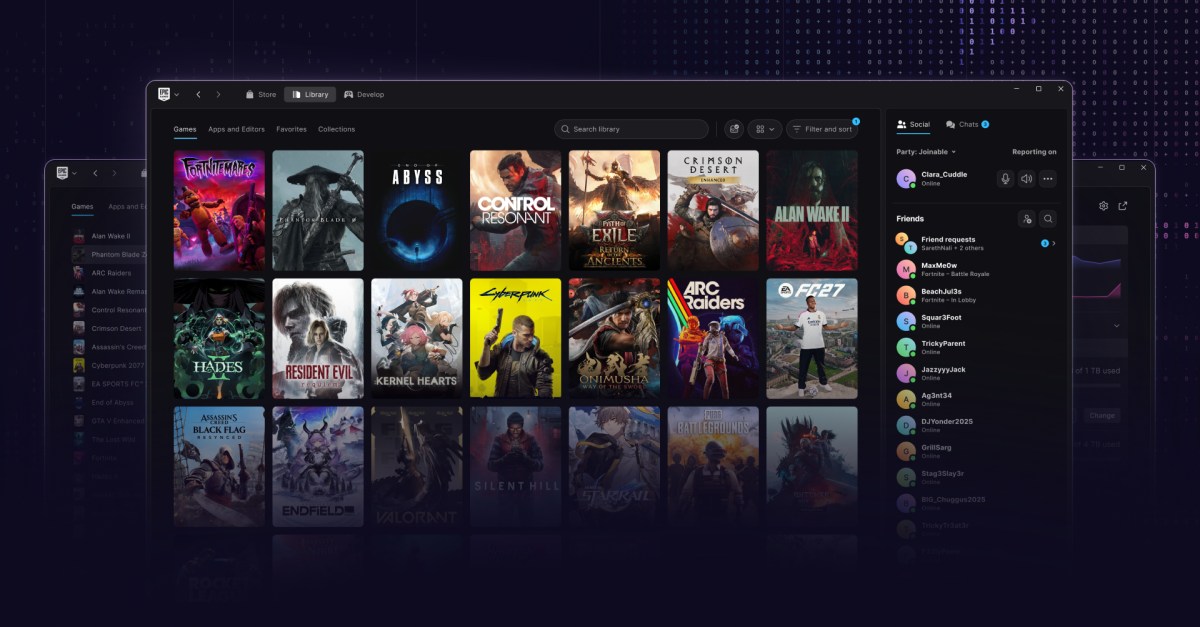
What happened
Epic Games launched a preview of a rebuilt Epic Games Launcher for Windows, Mac, and Linux, saying it is "way faster and more responsive" and that the refresh was "vibe coded" with AI.
Why it matters
A major game platform builder is openly shipping a core consumer product built largely by AI agents rather than hand-written code, a signal of how AI is being folded into mainstream software development at scale.
WHO IT HITSGame developers and platform engineers watching Epic's tooling strategy may take note that a large PC storefront is using AI agents to reclaim existing features and speed up delivery; Linux gamers gain a new launcher option with Fortnite planned for Linux through the app.
Summaries like this, in your inbox every morning.
The new Epic Games Launcher didn't come out of nowhere. Epic has been working on it for "most of this year," and Keely says the team's AI-heavy approach predates this week's larger restructuring. That matters because it suggests the launcher is less an experiment than an early proof point for a wider strategy.
Epic CEO Tim Sweeney described a "huge pivot underway" to retool developers for "maximum AI acceleration," while Bloomberg reported an Epic director on an unannounced Disney title telling staffers there would be "No more hand-written code." The launcher team, by contrast, says it used AI to replicate core functionality but still supervised everything, which makes the project a more measured example of the same direction.
The Linux support is a notable side effect: Keely says AI helped make that possible, and Epic also plans to bring Fortnite to Linux through the app. Layoffs at Epic in March, which Sweeney said were not related to AI, form the backdrop against which this AI-driven productivity push is being read.
Pick your industry and the AI tools you use, and get news related to your work every day.
Free · 30 seconds with Google · unsubscribe anytimeWhat is AIToday? →
Ask AI anything about this article. The AI reads this article, earlier AIToday articles, and Wikipedia, and cites its sources. Q&As are published on this page for other readers too.
Fragment raised a $12 million Series A, co-led by FirstMark and BoxGroup, to build double-entry accounting too…

A reviewer assessed Gant Laborde's 'Learning TensorFlow.js,' translated by Yasushi Ando and published by O'Rei…

Guy Weiss's Zenzap raised $44 million from Bessemer, Lightspeed, The Garage, Wix President Nir Zohar and forme…

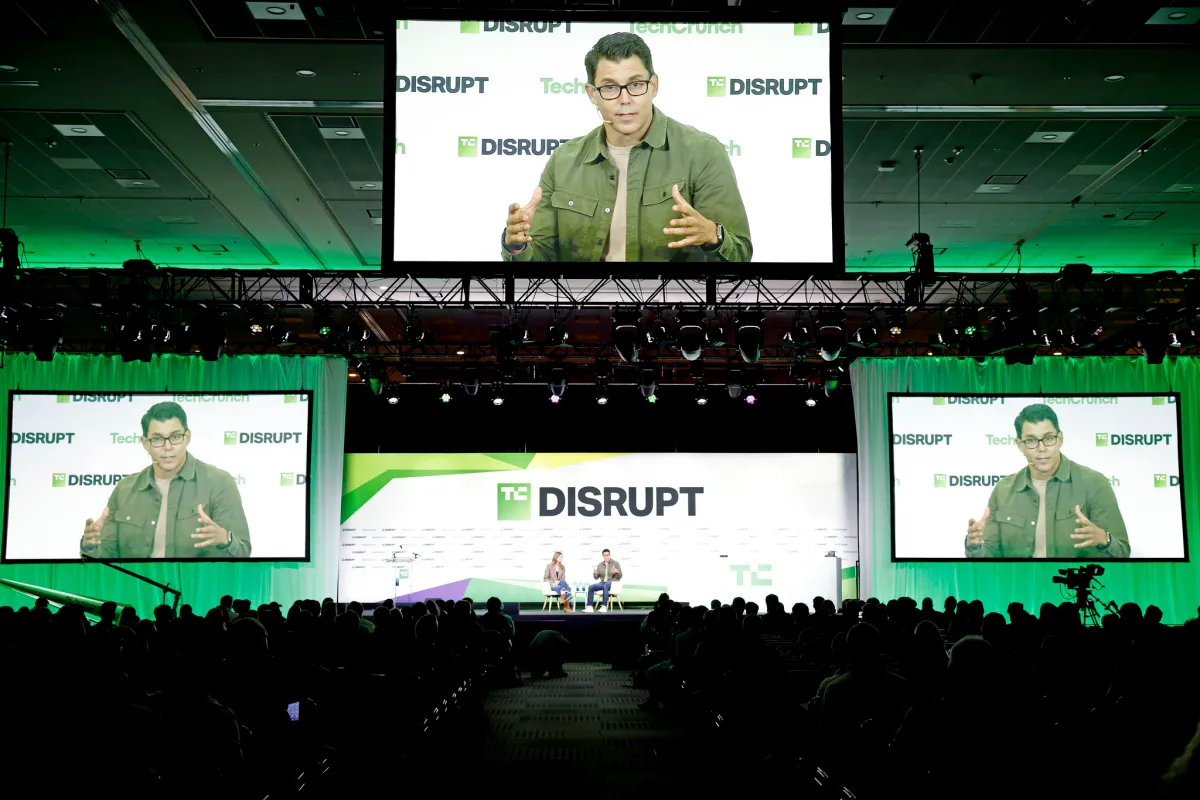
Day 2 at TechCrunch Disrupt 2026 in San Francisco's Moscone West features speakers from Nvidia, Waabi, Flock S…
Floqer said Wednesday it plans to open-source the technology behind its autonomous customer knowledge database…
AWS published a guide and code for deploying a supervisor agent on Amazon Bedrock AgentCore runtime that turns…