
What happened
A reviewer assessed Gant Laborde's 'Learning TensorFlow.js,' translated by Yasushi Ando and published by O'Reilly Japan in 2022, calling it an intro that removes the Python-and-math barrier.
Why it matters
The review says the book keeps the barrier low enough that a reader can work through image-centered material from basics to a finished project, with under 300 pages of main text.
Summaries like this, in your inbox every morning.
The review frames the book around a specific idea: a model can be treated as a function with a fixed input and output shape. When an internal mechanism is unclear, a reader can still use it if the input tensor shape and the meaning of the output tensor are clear.
That idea recurs across the book's later chapters. In transfer learning, a graph model that cannot be modified is used only as a feature extractor, while a layers model can be cut and rebuilt. The review also highlights a design pattern for memory: tensors are not collected by JavaScript's garbage collector, so dispose() or tf.tidy() must release them explicitly, the same kind of problem as forgetting to close a file handle or connection.
A further theme is separating numeric computation from meaning. In a recommendation example, labels like user names and genre names stay in plain JavaScript arrays, while only the calculation is handed to tensors, and the results are mapped back from indices to labels for display. The reviewer notes the same approach in image classification, where topk picks the top results and matches them against a label array. The book's structure follows a gradual lowering of abstraction, from using wrapper libraries to handling models and tensors directly, to defining and training models, and finally to taking apart an existing model for reuse.
Pick your industry and the AI tools you use, and get news related to your work every day.
Free · 30 seconds with Google · unsubscribe anytimeWhat is AIToday? →
Ask AI anything about this article. The AI reads this article, earlier AIToday articles, and Wikipedia, and cites its sources. Q&As are published on this page for other readers too.
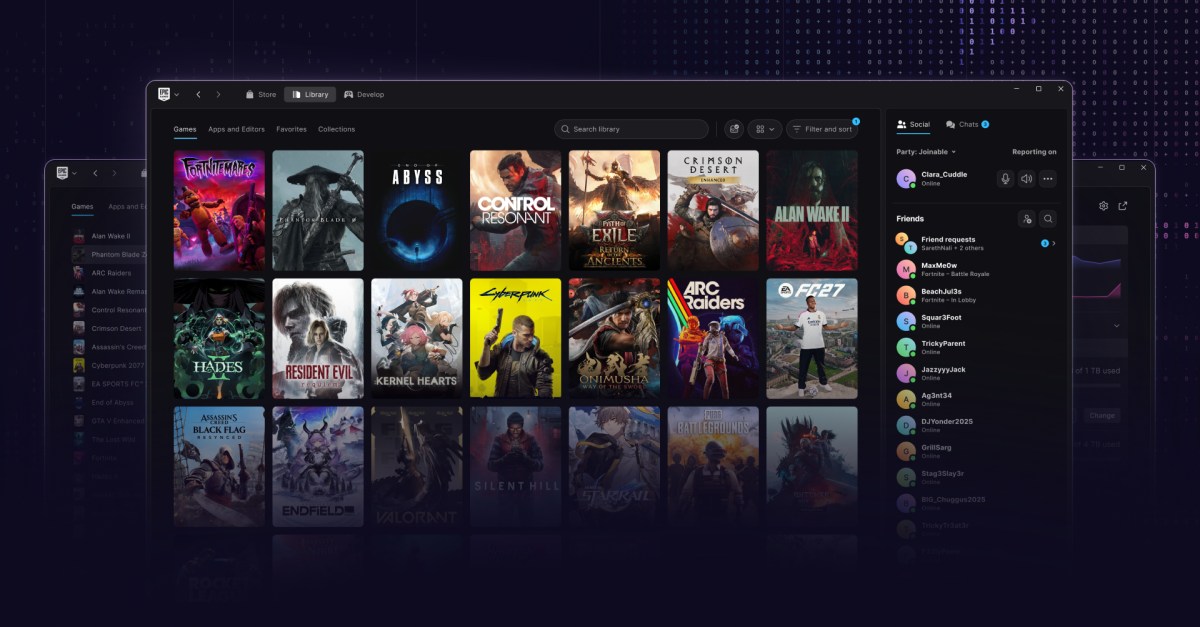
Epic Games launched a preview of a rebuilt Epic Games Launcher for Windows, Mac, and Linux, saying it is "way…
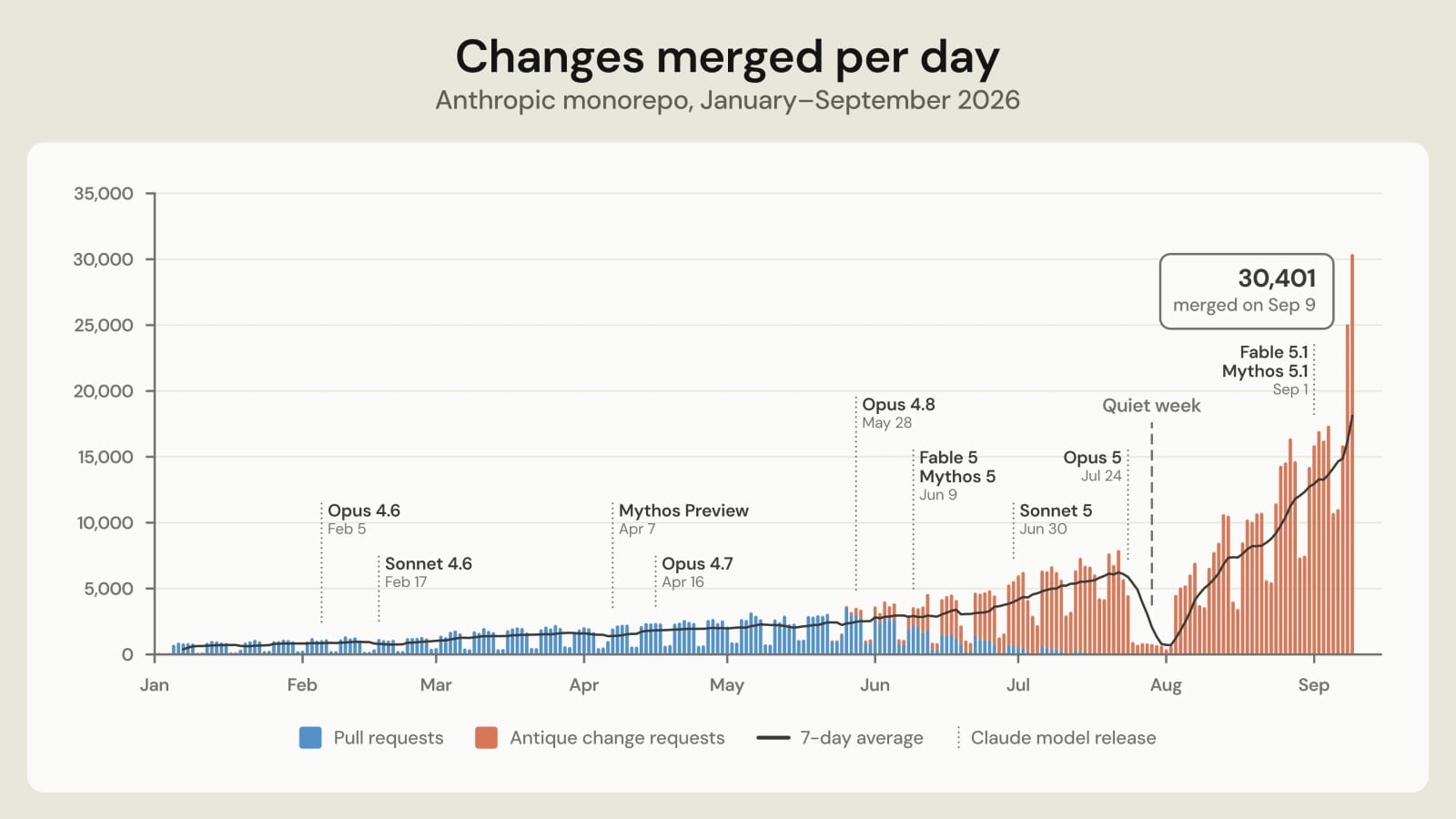
Anthropic announced Scion, a version-control system replacing Git, plus a code-review system, Antique

A Qiita tutorial shows how to pull stock data with yfinance, clean news text with nltk, classify sentiment wit…
Anthropic built Scion, its own source control system to replace Git, completed the migration in five months wi…
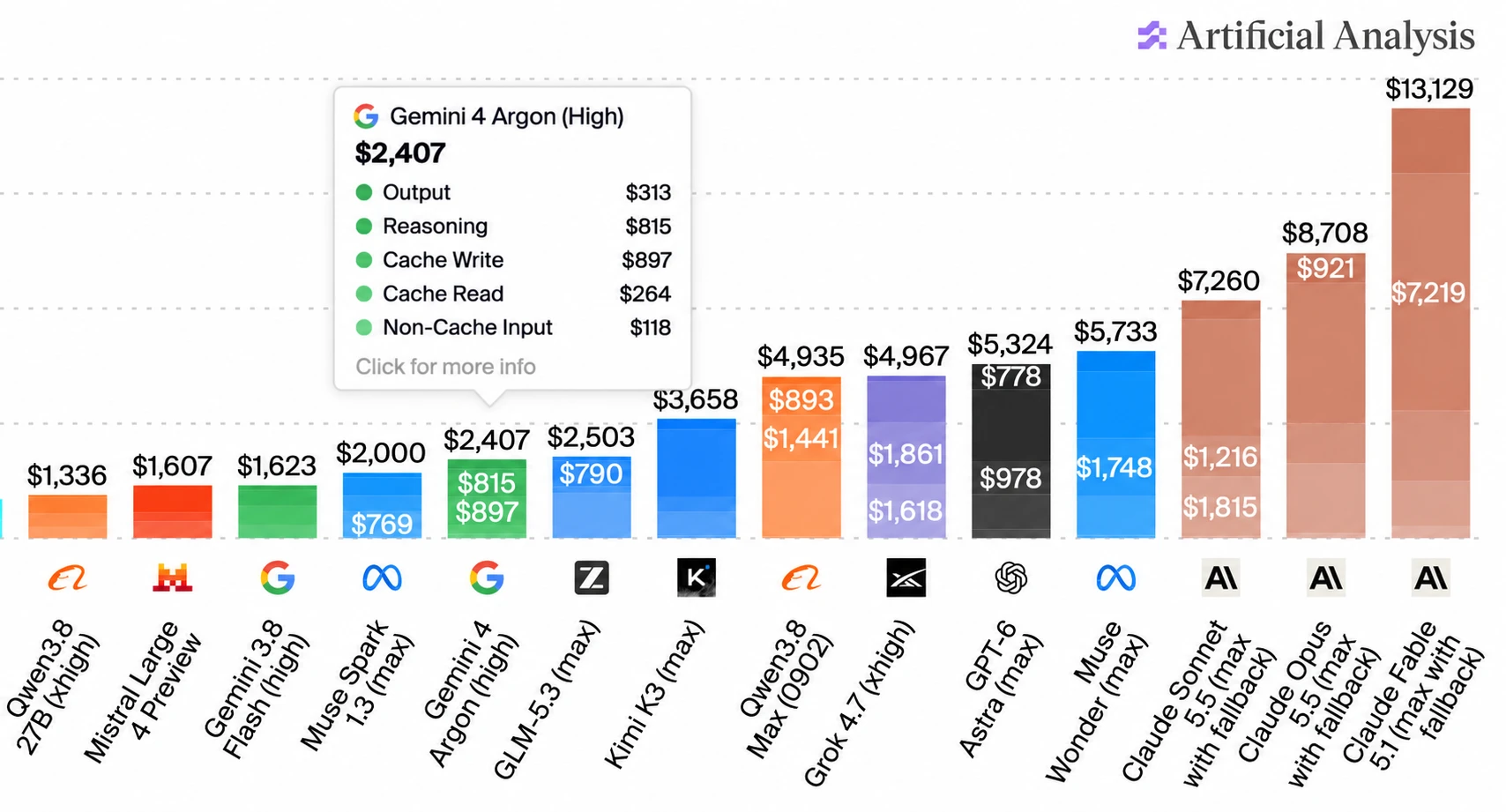
Simon Willison added Gemini 4 Argon support to llm-gemini, his Gemini API tool
GitHub released Stacked pull requests in public preview on July 30, 2026 and made them generally available on…


