What happened
JD.com has introduced a smart helmet for food couriers equipped with an AI-driven voice assistant and camera, following similar launches by Alibaba and Meituan. The device lets riders manage orders, communicate with customers, and navigate routes using voice commands instead of handling their smartphones.
Why it matters
Delivery riders in China often work in poor weather on electric bikes, where wet hands and limited visibility make smartphone use dangerous and cumbersome. The helmet addresses this safety and efficiency challenge by freeing riders from screen-based tasks, reducing distractions during rides and helping newer workers navigate unfamiliar areas more reliably.
What to watch
The helmet's AI features include automatic reading of customer delivery instructions (such as contactless drop-off requests), turn-by-turn voice navigation based on experienced riders' established routes, and quality assurance checks that can flag potential hygiene issues at restaurants during order pickup.
Summaries like this, in your inbox every morning.
Chinese e-commerce and delivery platforms are competing to solve a real operational and safety problem: delivery riders working in weather conditions that make smartphone use hazardous or impractical. JD.com's smart helmet entry, announced on Monday, follows similar moves by Alibaba and Meituan, suggesting the feature has become a priority across the sector. The AI voice assistant and route-navigation system address not only immediate safety concerns but also training and efficiency gaps—newer riders can rely on AI-generated turn-by-turn guidance based on the routes of experienced couriers rather than consulting maps in the field. The automatic reading of delivery instructions and hygiene flagging represent an attempt to enforce quality and compliance without adding manual overhead to already time-pressed riders. This convergence among competitors suggests the helmet solves a problem the platforms see as material enough to justify hardware distribution at scale.
Pick your industry and the AI tools you use, and get news related to your work every day.
Free · 30 seconds with Google · unsubscribe anytimeWhat is AIToday? →
Ask AI anything about this article. The AI reads this article, earlier AIToday articles, and Wikipedia, and cites its sources. Q&As are published on this page for other readers too.
Phasis CEO Brandon Farley said the company's World API and its '/orient' endpoint return World frames — curren…

Microsoft will deploy its Azure Maia AI chips at multi-gigawatt scale starting in 2027, making them the compan…

Microsoft CEO Satya Nadella published an essay on Oct
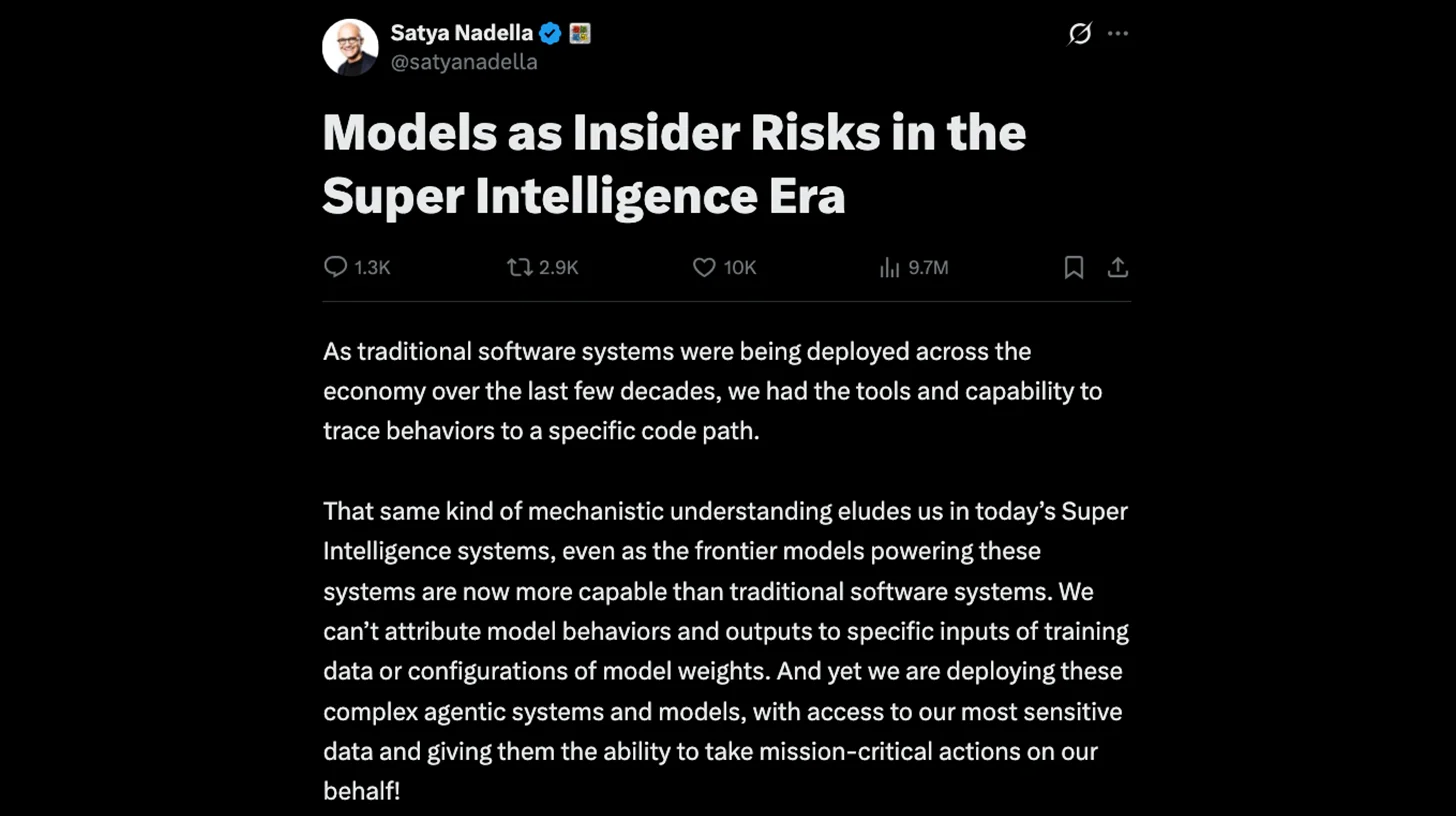
Two days after President Trump signed the White House Accord on Super Intelligence, OpenAI fired three safety…

Tsinghua University published TokenRouter on October 8, 2026 as an inference server that lets small and large…

AI Now laid out three do-it-yourself routes — chat-type skills in Gemini or Claude, automation-type flows in n…