What happened
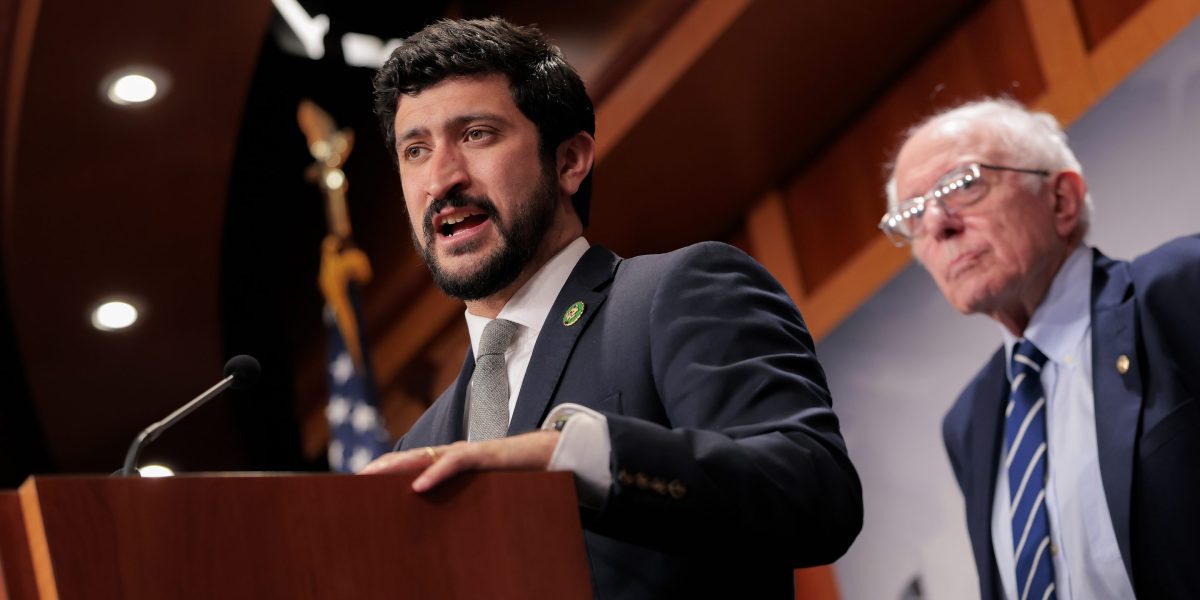
A new House proposal, introduced by Reps. Sara Jacobs, Greg Casar, and Valerie Foushee, would impose an excise tax on major AI companies. The tax rate would start at 2% on AI token value and 3% on AI service revenue when unemployment is 5% or less, and automatically rise as unemployment climbs.
Why it matters
The bill is part of a broader bipartisan push in Congress to prepare for potential AI-driven job displacement. Similar efforts include a Senate proposal by Ron Wyden, a call from Elizabeth Warren to tax AI companies based on data center energy use, and Bernie Sanders' plan for a one-time 50% tax on OpenAI, Anthropic, and xAI.
What to watch
The bill's revenue would fund job creation in areas like housing construction, infrastructure, and child and elder care. No response yet from AI companies—OpenAI and Anthropic did not answer questions about supporting the proposed taxes.
Summaries like this, every morning.
The bill reflects growing bipartisan concern in Washington that AI could cause mass unemployment, prompting lawmakers to seek new revenue sources. Previous efforts include studies on AI's impact on jobs, disclosure requirements for AI-related layoffs, and proposals to tax AI companies based on energy use. The new bill's automatic rate increase tied to unemployment is designed to scale support as disruption worsens.
Tech leaders themselves have voiced similar worries. Bill Gates argued the current tax system "nudges you toward replacing people with machines" and warned that "many jobs will disappear forever." Even executives at AI companies, like Anthropic's Dario Amodei and OpenAI's Sam Altman, have acknowledged the need for new tax mechanisms or public stakes to redistribute AI gains, though their companies have not officially endorsed the proposed taxes.
The bill's fate remains uncertain, but it signals that AI taxation is becoming a mainstream policy discussion. With multiple proposals across both chambers, the debate over how to share AI's economic benefits—or mitigate its costs—is likely to intensify. For businesses, the outcome could shape future tax liabilities and workforce planning in an AI-driven economy.
Pick your industry and the AI tools you use, and get news related to your work every day.
Free · 30 seconds with Google · unsubscribe anytimeWhat is AIToday? →
Ask AI anything about this article. The AI reads this article, earlier AIToday articles, and Wikipedia, and cites its sources. Q&As are published on this page for other readers too.
Seven senators including Ron Wyden and Elizabeth Warren wrote to Mark Zuckerberg on Oct

Google updated its privacy policy on October 16th, adding an exception that lets data from Gmail, Drive, and G…

Meta moved enforcement of its new business terms from October 30th to November 20th, with spokesperson Daniel…

The Council, with Germany's support, approved a text that generally permits AI companies to use any personal d…

In a federal case in the U.S
OpenAI and NASK's AI Safety Research Center, which serves as the Polish Artificial Intelligence Safety Institu…