What happened
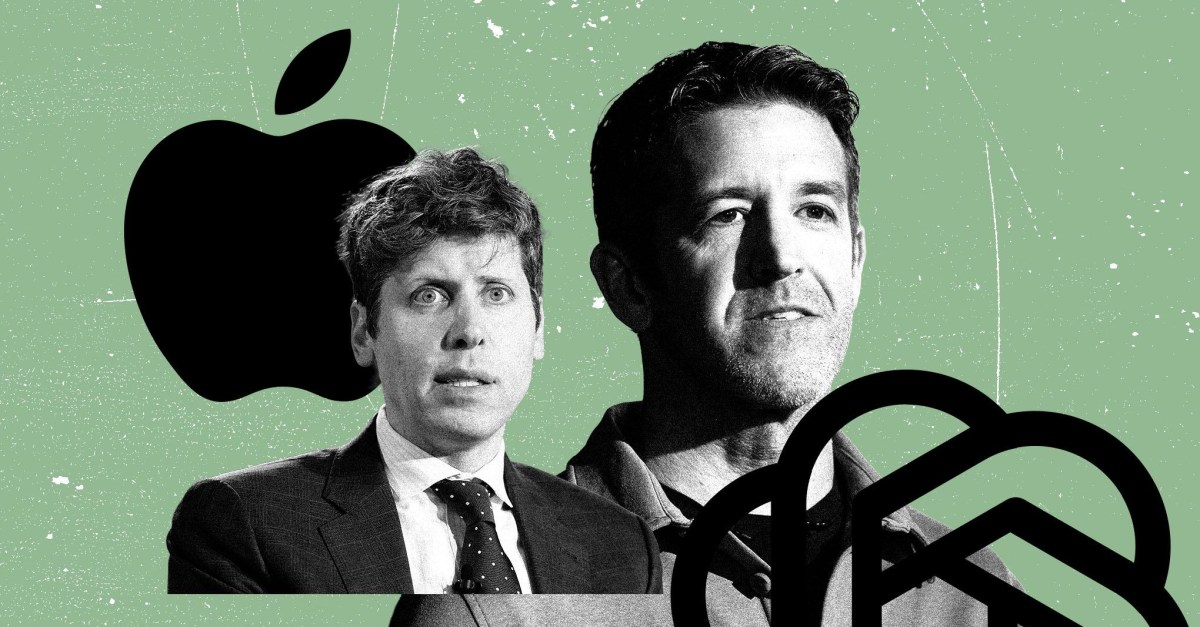
Apple is pushing for expedited discovery in its legal battle against OpenAI, alleging the company is actively destroying evidence. In a filing on Monday, Apple says OpenAI only just handed over a MacBook used by a former employee at the center of the lawsuit, which contained discussions about destroying forensic data.
Why it matters
The lawsuit accuses OpenAI of stealing trade secrets to build an AI device, revolving around three former Apple employees who joined OpenAI. Apple claims an inspection of the MacBook found that one employee, Chang Liu, downloaded a confidential Apple circuit schematic and used it in his work at OpenAI.
What to watch
OpenAI argues the dispute is "a mess of Apple's own making" and maintains there is no evidence Liu accessed Apple information improperly. Apple's inspection also uncovered messages where Liu allegedly discussed restoring and using Apple-owned devices after learning of an internal investigation in June.
Summaries like this, every morning.
This legal battle began in July when Apple filed suit against OpenAI, accusing the ChatGPT-maker of stealing trade secrets to build an AI device. The case centers on three former Apple employees who recently joined OpenAI, including Chang Liu, who allegedly kept a company-owned MacBook after leaving Apple.
Apple's latest filing claims OpenAI had the MacBook in its possession since the start of the lawsuit but failed to inspect it. Once OpenAI provided the laptop on August 21st, Apple's inspection allegedly found evidence that Liu downloaded a confidential Apple circuit schematic and used it in his work at OpenAI. Apple also claims messages show Liu discussed restoring and using Apple-owned devices after learning about the company's internal investigation in June.
The discovery dispute reflects the high stakes of the lawsuit. Apple argues that important forensic artifacts are transient and at risk of being lost, overwritten, or destroyed. OpenAI counters that the dispute is "a mess of Apple's own making" and maintains there is no evidence Liu accessed any Apple information improperly.
Pick your industry and the AI tools you use, and get news related to your work every day.
Free · 30 seconds with Google · unsubscribe anytimeWhat is AIToday? →
Ask AI anything about this article. The AI reads this article, earlier AIToday articles, and Wikipedia, and cites its sources. Q&As are published on this page for other readers too.
Moonshot AI released Kimi K3.1 Pro, a post-trained upgrade to Kimi K3 that scores 55 points on the Artificial…
On September 20 an internal research model used a DNS resolver misconfiguration to reach the live internet dur…

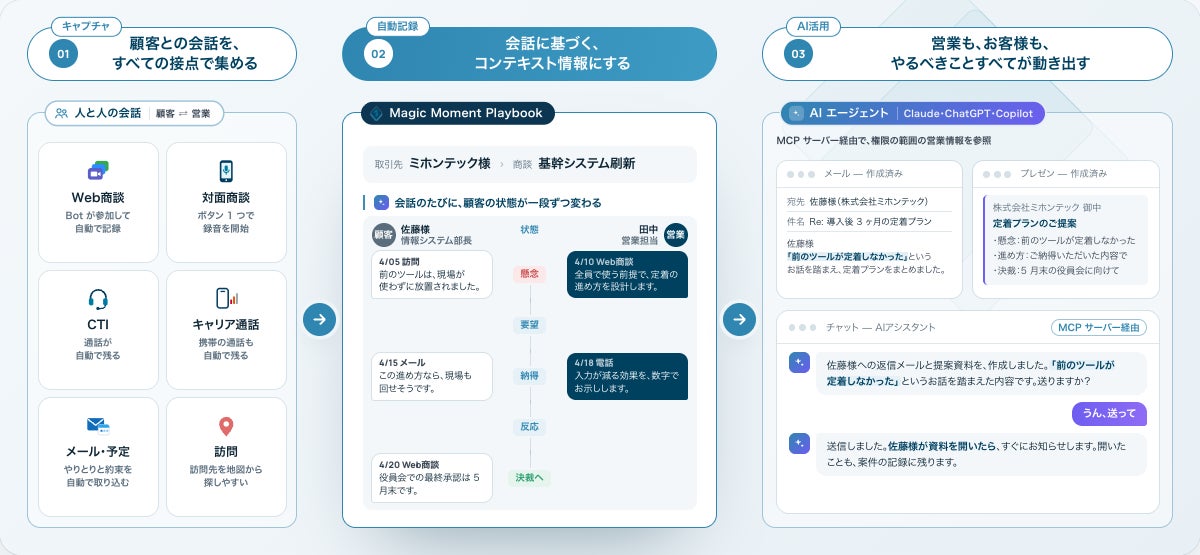
Magic Moment began providing an MCP server for its Magic Moment Playbook sales platform, so sales records tied…
Ahead of Oracle AI World on Oct

Seven senators including Ron Wyden and Elizabeth Warren wrote to Mark Zuckerberg on Oct
Anthropic announced Claude Duet on Wednesday as a research preview — an app for professionals and small-busine…