What happened
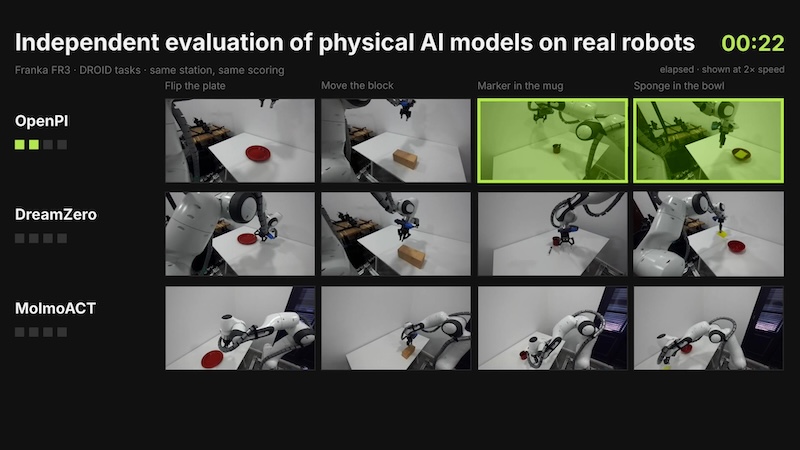
Positronic Robotics and Nebius launched the Nebius × Positronic Physical AI Competition on October 26, running through December 2026 with more than $20,000 in GPU and evaluation credits.
Why it matters
The contest gives developers and research teams an independent, standardized way to compare robotic AI models, which Positronic says is lacking today.
WHO IT HITSDevelopers and research teams building robotic AI models gain a rare independent benchmark, while smaller teams get a shot at comparing their work against established labs.
Summaries like this, every morning.
The competition builds on an existing relationship: Nebius is already a founding partner of Positronic's PhAIL.ai leaderboard, which tracks physical AI performance independently. By adding a contest with simulation rounds and a physical robot arm, the two companies are trying to turn that leaderboard into a more structured proving ground for robotic manipulation models.
Positronic points to a gap in how robotic foundation models are compared. Its DROID benchmark, run on the same Franka robotic arm, tested open models across more than 1,000 episodes covering over 100 everyday manipulation tasks. The spread was wide — the strongest models completed about 70 percent of tasks on average, versus around 12 percent for the weakest — which the organizers read as evidence that manipulation is still an open research problem.
The organizers cite the DARPA Grand Challenge as inspiration, suggesting they see standardized technical challenges as a way to speed progress in physical AI, much as that contest did for autonomous vehicles. Whether a competition format can do the same for robot manipulation is an open question, but the involvement of Nebius's GPU infrastructure and Physical AI Workbench gives participants a concrete stack to build on.
Pick your industry and the AI tools you use, and get news related to your work every day.
Free · 30 seconds with Google · unsubscribe anytimeWhat is AIToday? →
Ask AI anything about this article. The AI reads this article, earlier AIToday articles, and Wikipedia, and cites its sources. Q&As are published on this page for other readers too.
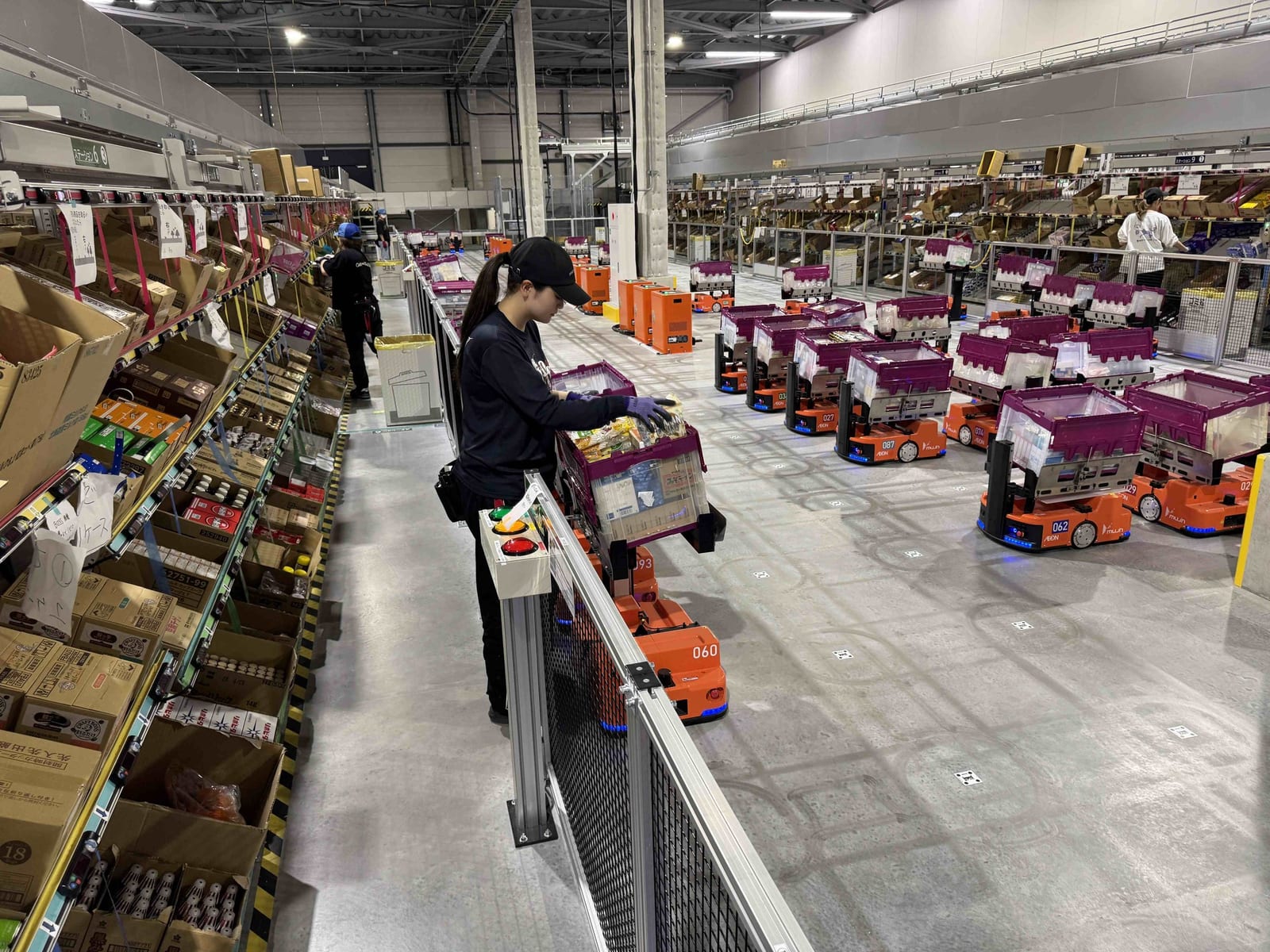
Aeon, Aeon Global SCM and Mujin began full operations at Aeon Kawaguchi-Higashi XD on October 29, the first Ae…
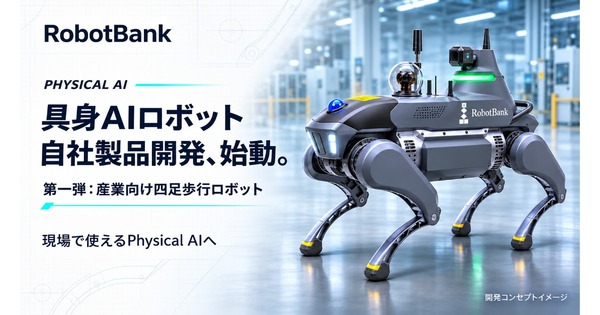
RobotBank said on November 9, 2026 it will build physical-AI robots under its own brand, beginning with a quad…
The city's demonstration, running since October 26 in Yahatahigashi Ward's Tobata district, checks whether GAM…
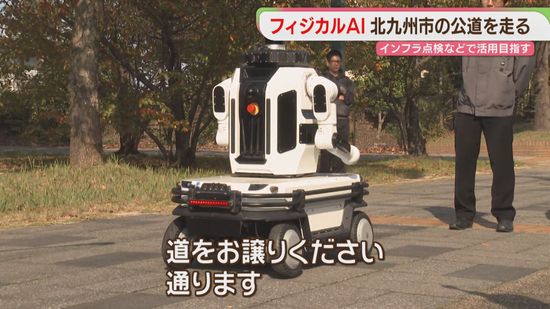
Nature Will announced Natura-1, a 50-billion-parameter mixture-of-experts model trained on over 1 million hour…
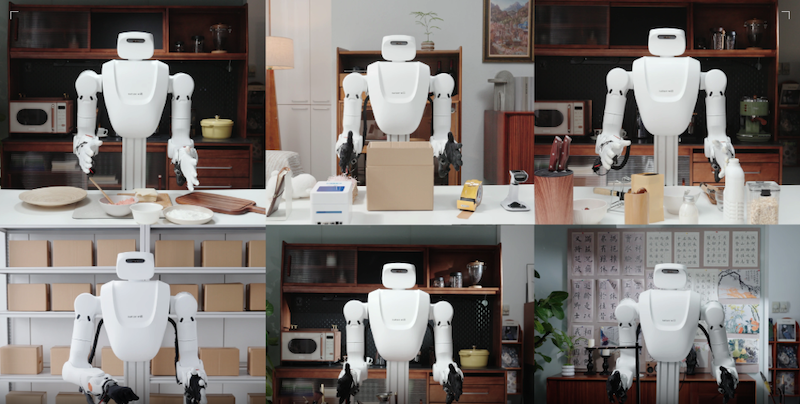
Xinhua News Agency unveiled two bionic humanoid robot news anchors, Xinyu and Xinyan, developed with UBTECH, o…
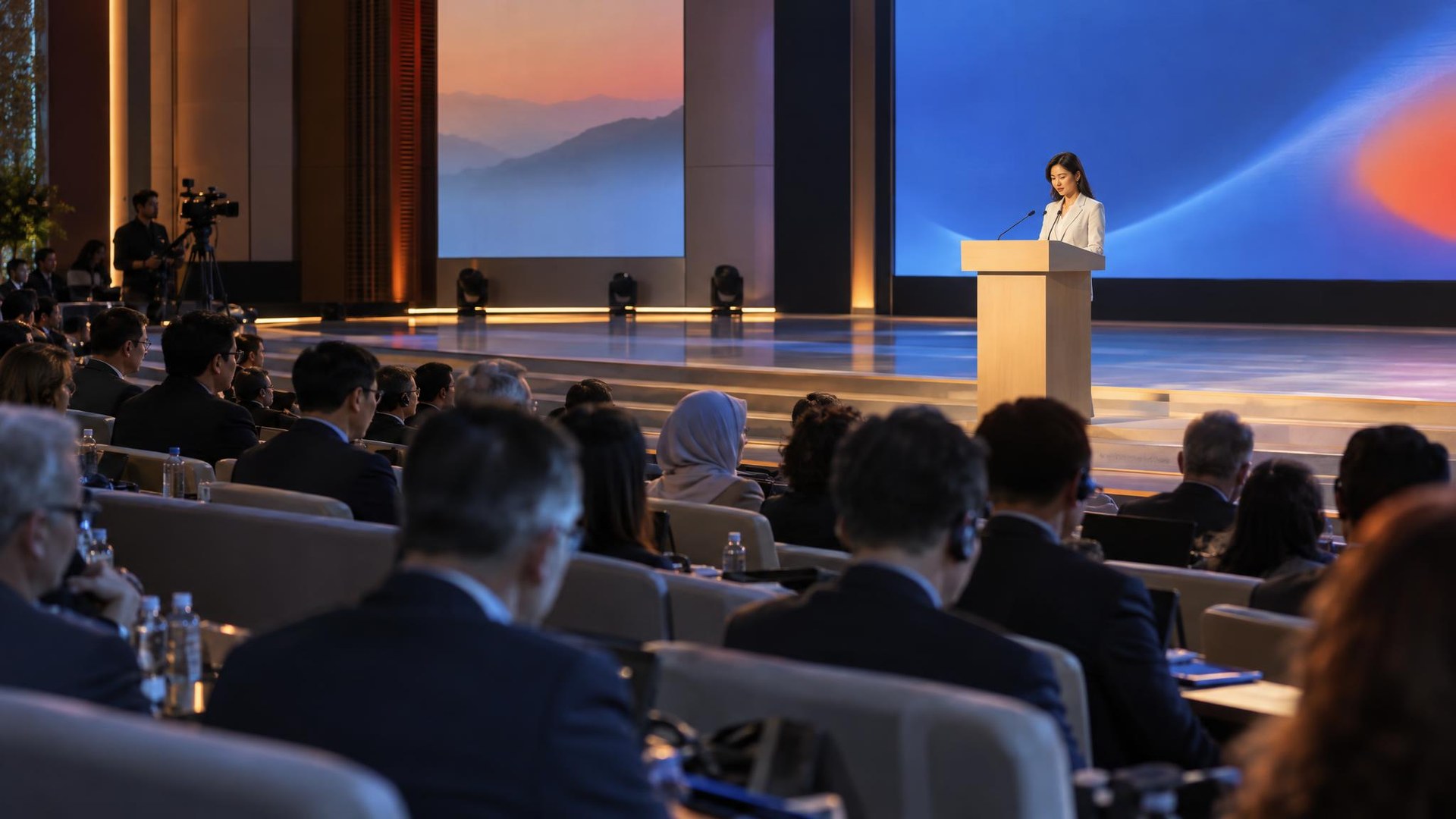
EDGE Sound Research secured an additional $2 million in funding led by Stormbreaker Ventures, taking its total…