What happened
Companion mobile apps for robotics systems have become integral to fleet management rather than optional accessories. The International Federation of Robotics recorded 542,000 industrial robot installations worldwide in 2024, pushing the global operational stock past 4.6 million units, each requiring remote monitoring, scheduling, and maintenance alerts that mobile apps now provide.
Why it matters
As robot fleets scale beyond manual on-site monitoring, companion apps enable fleet managers, technicians, and operators to manage machines from anywhere—checking diagnostics, approving tasks, or responding to faults without visiting a control room. The shift reflects a broader industrial software trend where generic platforms fall short once deployments involve multiple robot types, custom protocols, or usage-based billing; robotics-as-a-service models now require the app to handle regulated financial transactions alongside machine monitoring.
What to watch
Teams building these apps are adopting fintech-grade security, encryption, and audit standards for in-app payments and billing flows. Success increasingly depends on treating the companion app with the same engineering rigor as the robot hardware itself, rather than shipping it as an afterthought once the machine is built.
Summaries like this, in your inbox every morning.
The article traces a structural shift in industrial robotics: as global robot stock passes 4.6 million units and installations accelerate (542,000 new units in 2024 alone), the technical and logistical barrier to manual monitoring has crossed a threshold. A mobile app is now the fastest path to reach a technician, plant manager, or customer without requiring a trip to a control room or desktop terminal. This is not a feature expansion; it is a recognition that the app has become part of the operational backbone.
Understanding why off-the-shelf app frameworks fall short illuminates the core challenge. Generic platforms assume a single machine type, stable connectivity, and simple monitoring dashboards—none of which hold in robotics deployments. Once a fleet includes mixed robot types, third-party sensors, or the complex billing logic of equipment-as-a-service, rigid templates break down. The article notes this mirrors a broader pattern in regulated industrial software where custom development has become necessary because template tools cannot support non-standard workflows. Robotics is following the same trajectory.
The fintech overlap is the article's most concrete forward indicator. Robotics-as-a-service models introduce in-app payments, usage-based billing, and equipment financing—turning the companion app into a regulated financial interface. Teams are now borrowing encryption, fraud-check, and audit-trail patterns from fintech mobile development, suggesting that robotics app teams will increasingly need compliance and payment expertise alongside robotics domain knowledge. The implication is that the app is no longer a periphery concern for hardware engineers but a core product requiring equal rigor.
Pick your industry and the AI tools you use, and get news related to your work every day.
Free · 30 seconds with Google · unsubscribe anytimeWhat is AIToday? →
Ask AI anything about this article. The AI reads this article, earlier AIToday articles, and Wikipedia, and cites its sources. Q&As are published on this page for other readers too.
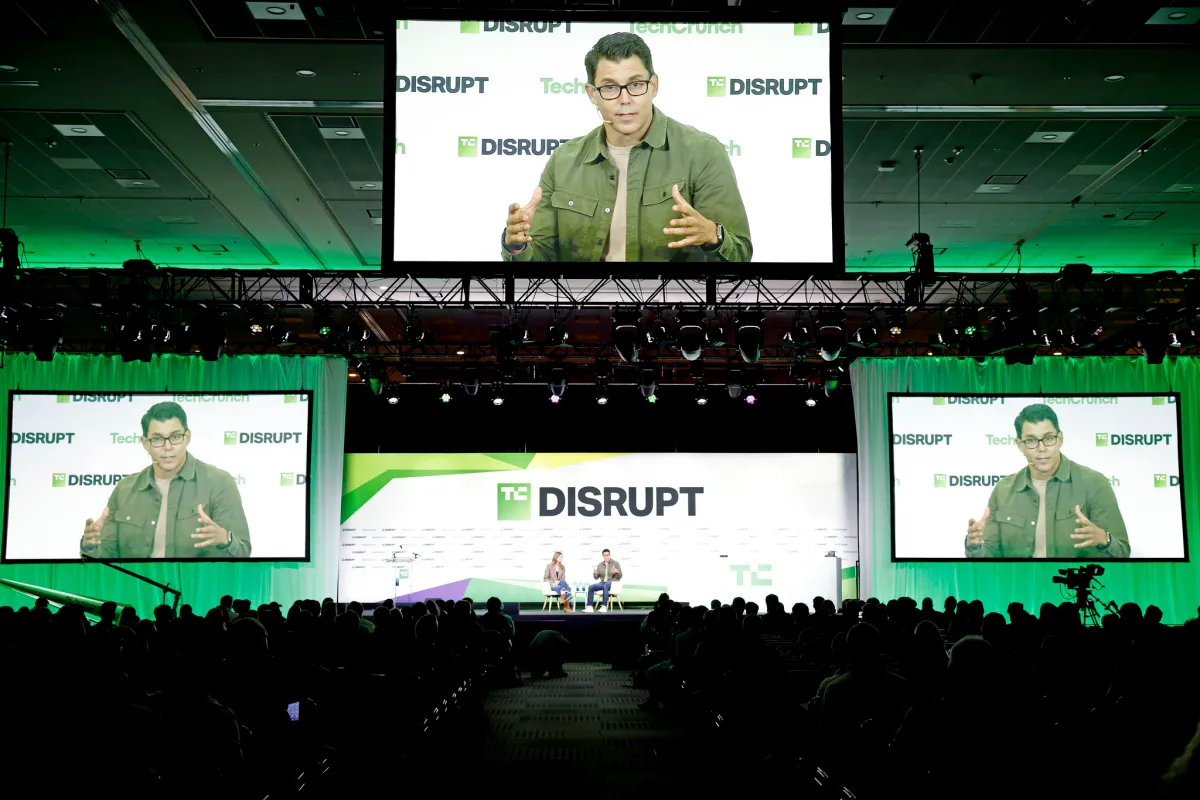
Day 2 at TechCrunch Disrupt 2026 in San Francisco's Moscone West features speakers from Nvidia, Waabi, Flock S…
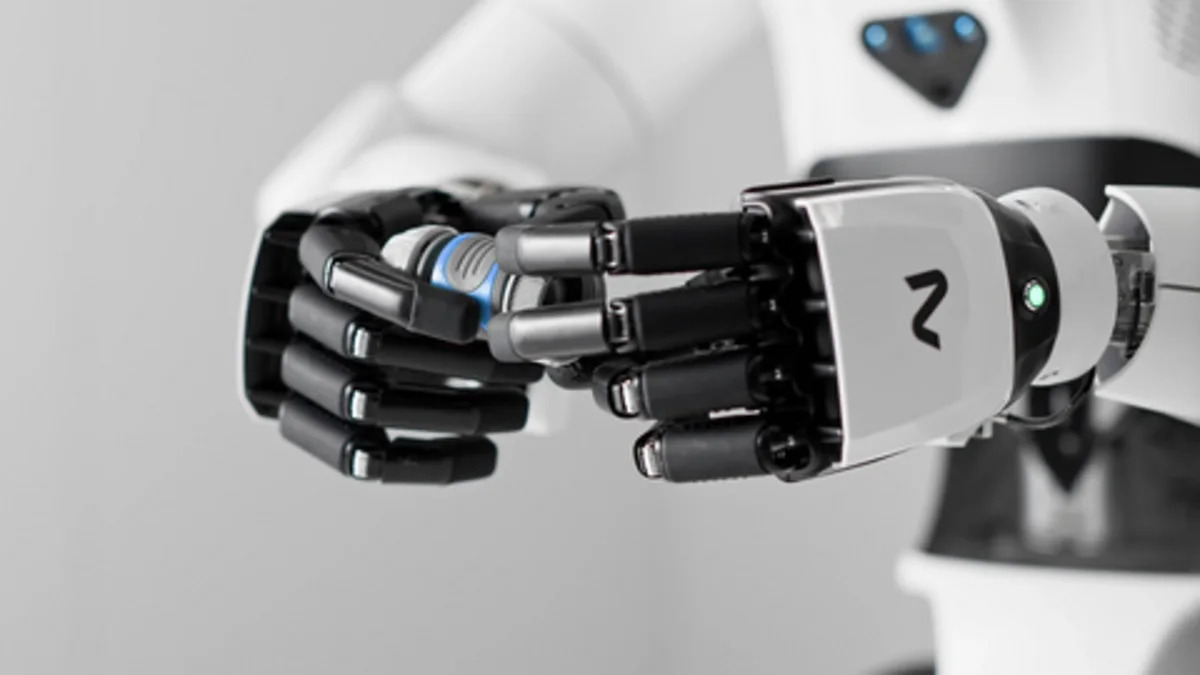
NEURA Robotics introduced Neuron AI, a multimodal foundation model combining 3D vision, touch, audio, robot st…
Dyna Robotics released Dyna-2.1, a physical robot agent built around its Dyna-2 world-action model, which it s…
SoftBank CEO Masayoshi Son spoke about superintelligence, AI investing, and the future of robotics, in a discu…

Scan Computers partnered with Sheffield-based OLO Robotics to combine Scan's robotics hardware with OLO's brow…
Ubitium raised $14 million in seed funding led by Ibex Investors, bringing total seed funding to $18 million s…