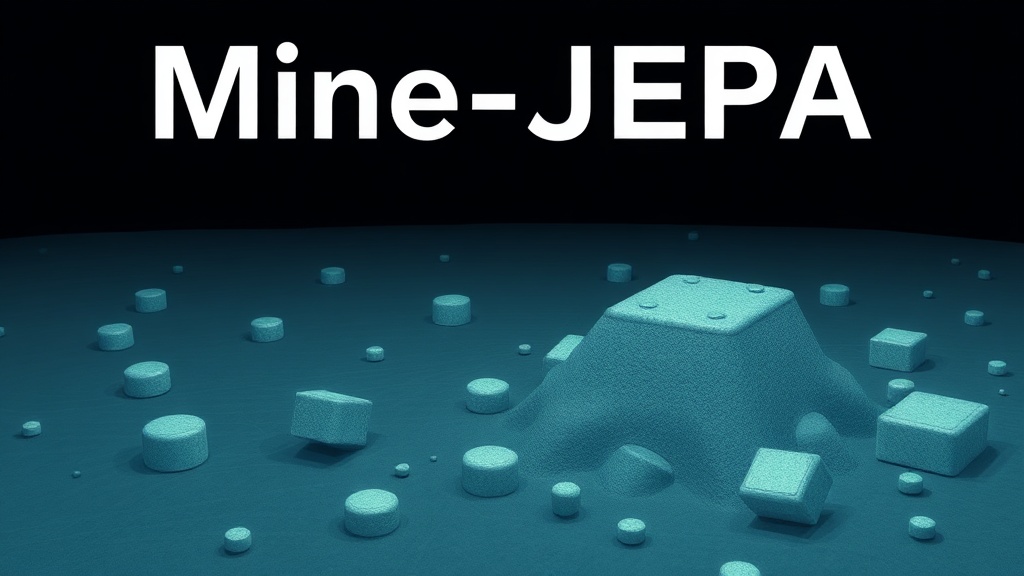
Mine-JEPA uses SIGReg regularization-based SSL loss to pretrain on only 1,170 unlabeled side-scan sonar images, addressing extreme data scarcity in maritime vision
Achieves F1 score of 0.935 for binary mine vs. non-mine classification, beating fine-tuned DINOv3 (0.922) which was pretrained on 1.7 billion images
Reaches 0.820 F1 score for 3-class mine-like object classification with synthetic data augmentation, still outperforming fine-tuned DINOv3 at 0.810
First in-domain SSL pipeline specifically designed for side-scan sonar, addressing the large domain gap between sonar data and natural images that foundation models struggle with
Ask the AI about this article →
For example, today's edition would include:
AI-summarized, only the topics you pick — one digest a day via Email, Slack, or Discord.
Free · takes 30 seconds · unsubscribe anytimeWhat is AIToday? →
Ask AI anything about this article. Q&As are published on this page for other readers too.
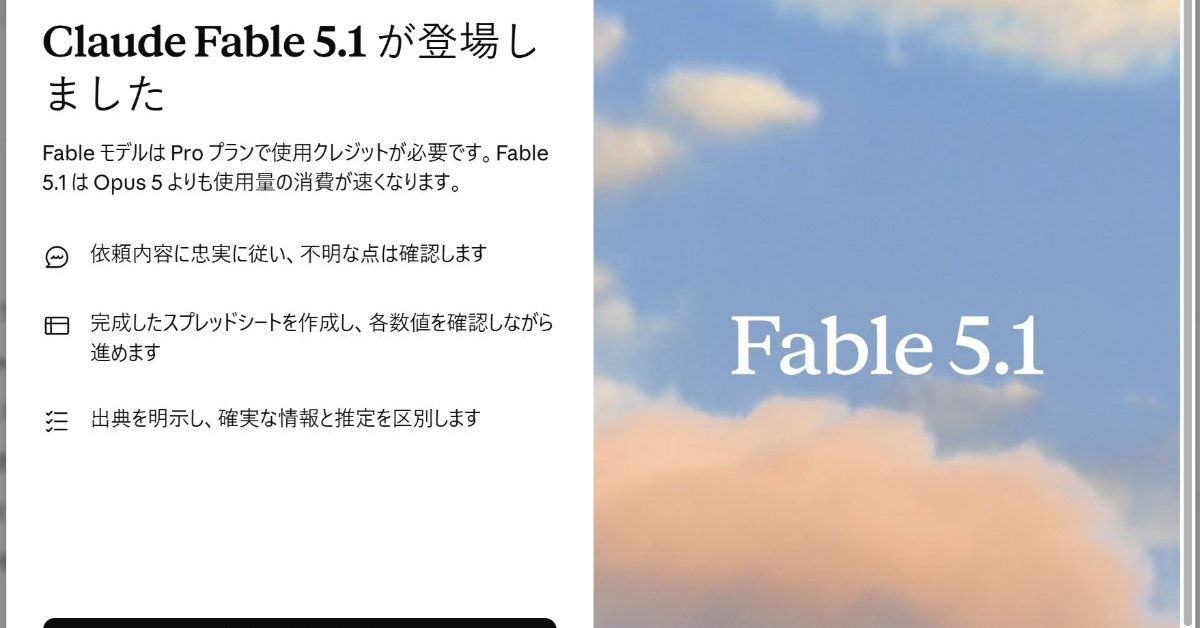
Anthropic announced Claude Fable 5.1 and Claude Mythos 5.1 on September 1
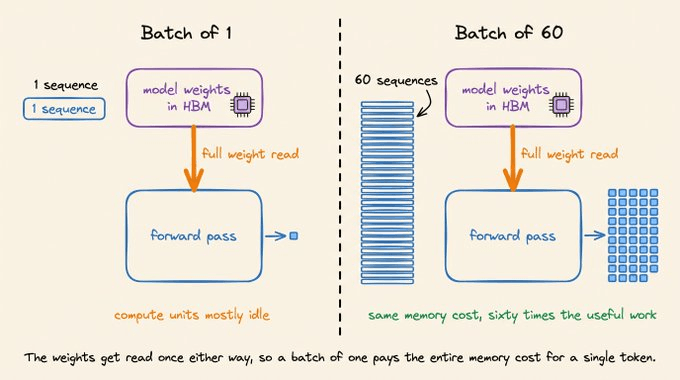
A technical explainer compares three LLM serving strategies—static, dynamic, and continuous batching
Anthropic's latest model, Claude Fable 5.1, is now available on Snowflake Cortex AI

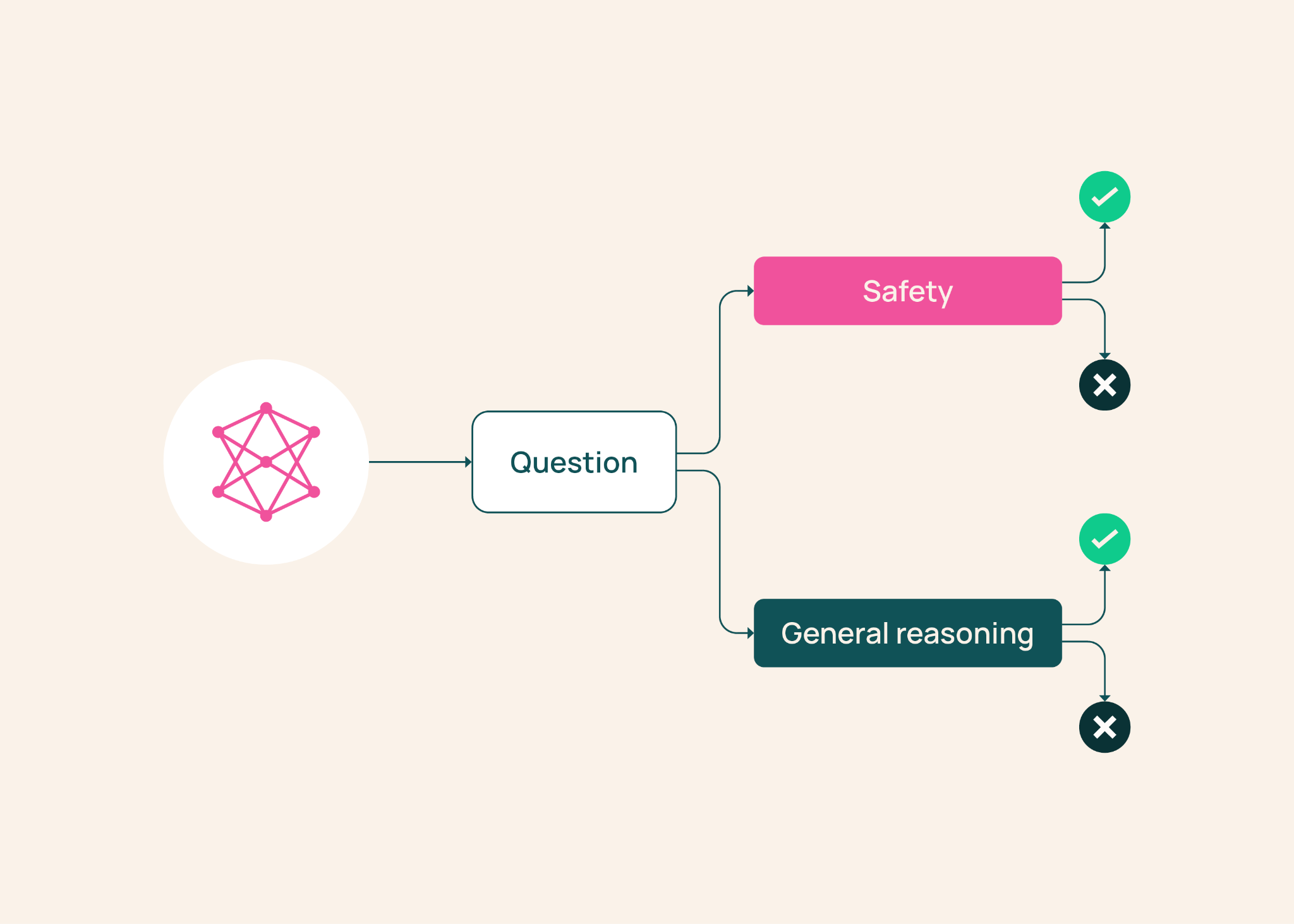
The Allen Institute for AI released BenchMIRT, a method to audit AI benchmarks question-by-question
Google has reportedly approached major studios like Disney, Warner Bros

OpenAI shared new details on its forthcoming Astra model, which the company says is the first large language m…