
What happened
UNO's Deepak Khazanchi and Anoop Mishra published a commentary debunking five AI myths, citing MIT research that AI augments rather than replaces work and Berkeley-MIT findings that human-AI teams do not automatically outperform either alone.
Why it matters
The authors argue that job redesign, workflow changes, training and governance — not simply buying AI tools — are what produce value, which suggests executives treating AI adoption as a guaranteed competitive advantage may be disappointed.
What to watch
The commentary's claims rest on cited research reviews rather than new experiments, so the test is whether organizations actually redesign workflows and processes as the authors urge. Watch the IBM Watsonx example — 94% of routine HR requests automated and over $100 million saved in one year.
WHO IT HITSC-suite executives and HR leaders evaluating AI adoption, as well as employees in entry-level and white-collar roles worried about displacement, are the audiences this commentary most directly addresses.
Summaries like this, in your inbox every morning.
The commentary comes from the University of Nebraska at Omaha's Center for Management of Information Technology, where Khazanchi serves as executive director and Mishra as a postdoctoral research fellow. Rather than presenting new experimental results, the authors synthesize existing research — MIT's finding that AI is most valuable when it augments human work, and Berkeley and MIT research showing that human-AI teams do not automatically outperform either humans or AI alone.
The piece fits into a broader pattern in AI discourse where the gap between adoption and realized returns is drawing scrutiny. The authors point to IBM's Watsonx restructuring and to Morgan Stanley and JPMorgan's agentic AI deployments as examples of organizations that redesigned workflows alongside technology deployment rather than simply purchasing tools. They also identify a set of emerging roles — AI evaluator, AI Compliance Officer, and Clinical AI Governance Manager among them — that they say are being created as AI systems require supervision and governance.
The stakes likely hinge on whether organizations follow the workflow-redesign path the authors describe or continue treating AI acquisition itself as the source of value. For executives under pressure to demonstrate AI returns, the commentary suggests that the measurement and process work around AI may matter more than the tools themselves, though the authors' conclusions rest on cited research reviews rather than their own new experiments.
For example, today's edition would include:
AI-summarized, only the topics you pick — one digest a day via Email, LINE, or Slack.
Free · 30 seconds with Google · unsubscribe anytimeWhat is AIToday? →
Ask AI anything about this article. Q&As are published on this page for other readers too.
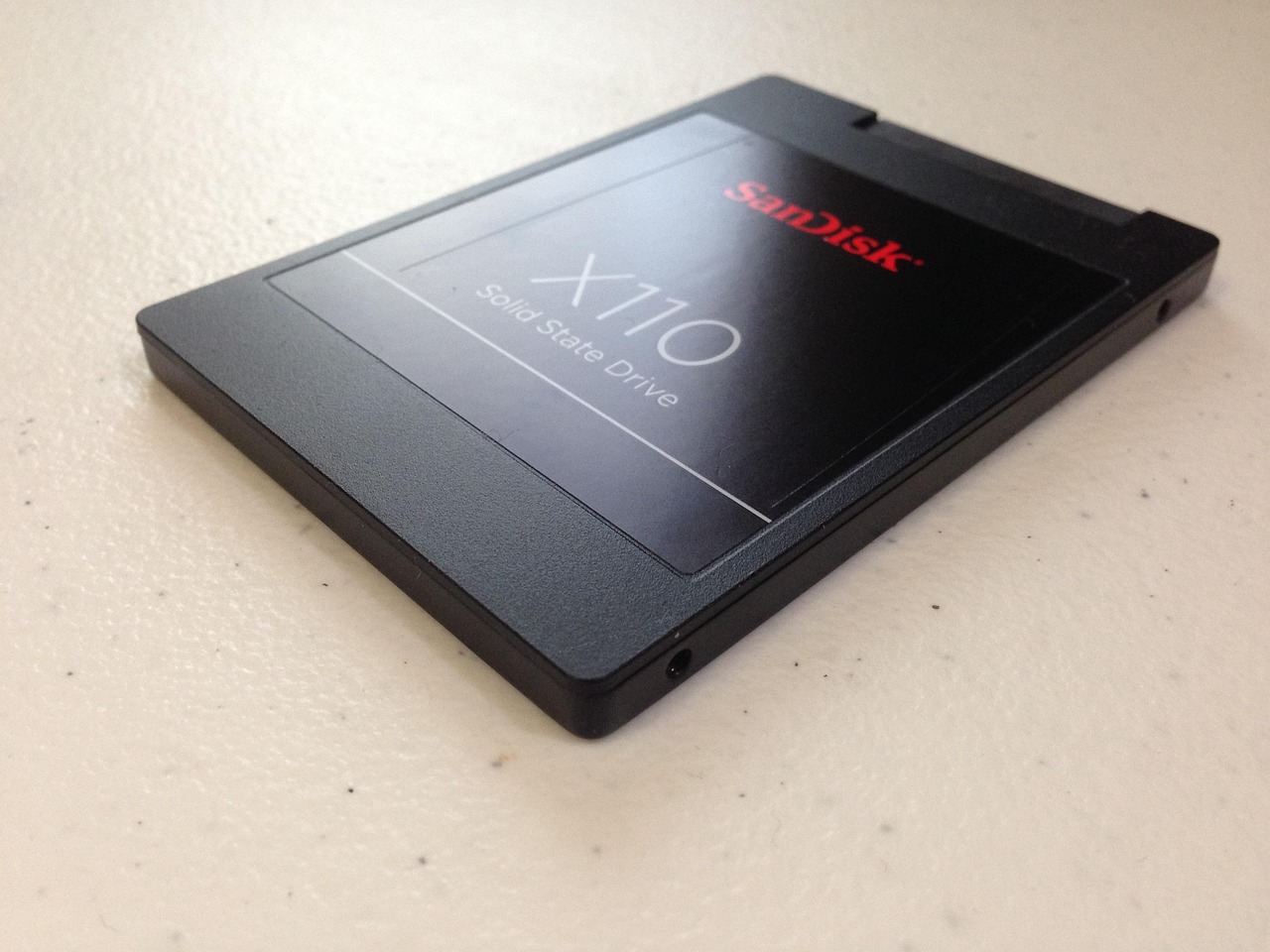
Rosenblatt initiated coverage of Sandisk with a Buy rating and a $2,400 price target

Visa's Sara Craven told PYMNTS that just 11% of small- to medium-sized businesses qualify as agent-ready, vers…

SanDisk now sells much of its output through multiyear New Business Models contracts with eight Datacenter and…
Applied Materials trades near US$444.57 at about 38.1x earnings, below the semiconductor sector average of rou…

AMD is promoting "From Sensor to Insight: Production-Ready Single-Chip Edge AI

JPMorgan Chase CEO Jamie Dimon told CNBC-TV18 that hyperscaler AI spending has more than doubled from about $3…