
American trust in AI and its leaders has collapsed.
Fifty-two percent of U.S. adults are now more concerned than excited about AI, up from 37% in 2021, and majorities distrust all nine prominent industry leaders surveyed.
Europeans show more cautious openness, with 55% expecting positive impact over two decades, but 84% demand stronger regulation.
What happened
A Pew Research study found that 52% of Americans are now more concerned than excited about AI's growing presence in daily life, up sharply from 37% in 2021. A CNBC Generation Lab poll of 1,088 respondents found that a majority distrusted all nine prominent industry leaders surveyed — Microsoft CEO Satya Nadella at 65% distrust, Palantir CEO Alex Karp at 81%, and Anthropic's Dario Amodei and Alphabet's Sundar Pichai both at around 75%.
Why it matters
For the first time, a majority of Americans under 30 (55%) are more concerned than excited about AI. Only 9% of all Americans feel more excited than concerned. The distrust extends beyond the technology itself to those building it, even as these leaders shape AI's development and deployment.
What to watch
In Europe, the picture differs: 55% of EU citizens expect AI to shape daily life positively over the next 20 years, and 62% view AI's presence at work favorably. However, 84% of Europeans agree that AI and robots need careful management, and 66% of the broader public believe AI will ultimately destroy more jobs than it creates.
Ask the AI about this article →
American sentiment toward AI has shifted markedly in just four years. The jump from 37% concerned in 2021 to 52% in 2024 reflects not skepticism about AI's potential, but frustration with how it is being deployed and who is deploying it. The data shows a generational divide: young adults under 30 now form a majority of the concerned, suggesting that early enthusiasm among tech-forward younger users has given way to worry.
The distrust in AI leaders is nearly universal across the nine figures polled, with even the "best" performer (Nadella at 65% distrust) failing to win confidence from a majority. This suggests the problem is not individual bad actors but systemic doubt about the sector's incentives and judgment. That doubt appears grounded in concrete experience: students using AI to cheat, artists watching their work absorbed into training data without consent, and consumers seeing AI deployed in everyday products — televisions, email, music platforms — without clear personal benefit. Infrastructure projects like new AI data centres are facing public backlash even when developers offer job guarantees, indicating that job creation alone does not resolve the underlying unease.
Europe's stance is notably different. Higher percentages expect positive impact and view workplace AI favorably, yet Europeans are more insistent on oversight: 84% agree that AI and robots need careful management, primarily for privacy and transparency. This suggests a willingness to engage with the technology conditional on governance, whereas American resistance appears less conditional — rooted in skepticism of both the technology's trajectory and the trustworthiness of those building it.
For example, today's edition would include:
AI-summarized, only the topics you pick — one digest a day via Email, Slack, or Discord.
Free · takes 30 seconds · unsubscribe anytimeWhat is AIToday? →
Ask AI anything about this article. Q&As are published on this page for other readers too.
A UK study by UK AI Security Institute and Limbic AI surveyed 6,474 British adults
Broadcom's Clayton Donley says companies are doing mission-critical work with AI agents quickly, but without t…

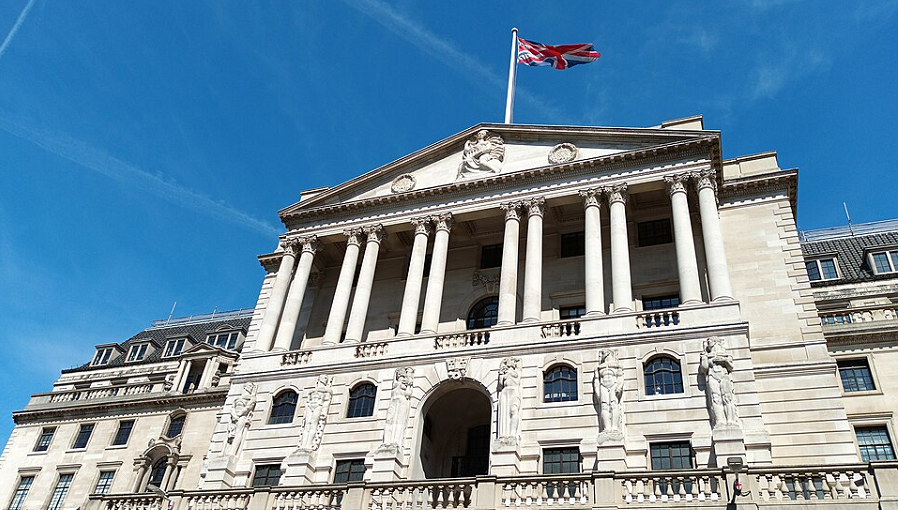
Bank of England governor Andrew Bailey warned that advanced AI poses risks to financial infrastructure in a le…
As AI agents perform real business tasks, 'Agentic Identity' (giving each AI a unique employee-like ID) and 'D…
Andrew Bailey, head of the world's financial stability watchdog, warned in a letter to G20 finance ministers a…

The European Union is expanding regulation of ChatGPT and will mandate protections for minors