What happened
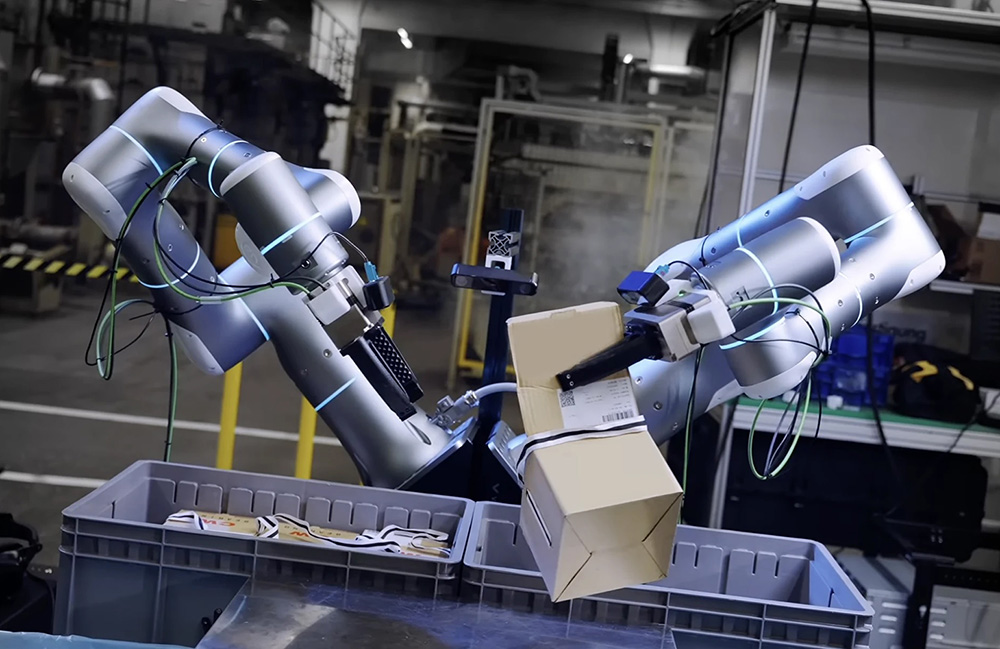
Rhoda AI, out of 18 months of stealth with $450 million in Series A funding, is deploying its direct video action (DVA) model with customers in automotive, manufacturing, logistics, and e-commerce.
Why it matters
The company says models trained on broad internet video generalize better across robot bodies and real-world messiness than those trained on teleoperated robot demonstrations, which it says have produced effectively zero autonomous manipulation robots solving real problems today.
WHO IT HITSRhoda AI's approach lands on robotics teams in manufacturing and logistics, where the company says labor shortages and offshoring have created an immediate problem, and on other robot makers whose hardware could run its models as a third-party body.
Summaries like this, every morning.
Rhoda AI's pitch rests on a comparison to how large language models advanced: ChatGPT and its peers were trained on essentially every word ever put on the internet, while physical AI has lacked an equivalent dataset. According to CEO Jagdeep Singh, prior efforts to collect robot data by teleoperation produced lab demonstrations — robots folding T-shirts or making coffee — but nothing robust enough for the real world. The company's answer is to pretrain on hundreds of years of video, from baseball games to waves crashing, so the model picks up a general sense of how the world works before any task-specific tuning.
The model works in a loop: it observes a history of video frames and action tokens, predicts the next half second of video, converts that scene into robot actions, executes them, and then re-observes. Rhoda AI says the broadest training data — not just human-centric manipulation clips — produced the best-performing models, which is also what lets them generalize across different robot bodies. The hardware only enters the picture during post-training, when a small amount of task-specific data teaches the workflow.
Pick your industry and the AI tools you use, and get news related to your work every day.
Free · 30 seconds with Google · unsubscribe anytimeWhat is AIToday? →
Ask AI anything about this article. The AI reads this article, earlier AIToday articles, and Wikipedia, and cites its sources. Q&As are published on this page for other readers too.
After Jensen Huang's abrupt exit from Nvidia, a Governance-Resilient Large-Cap AI and Tech Leaders screen surf…

On Thursday's Ramsey Show, Dave Ramsey told 41-year-old disabled veteran Jamal that putting $500,000 of his ro…

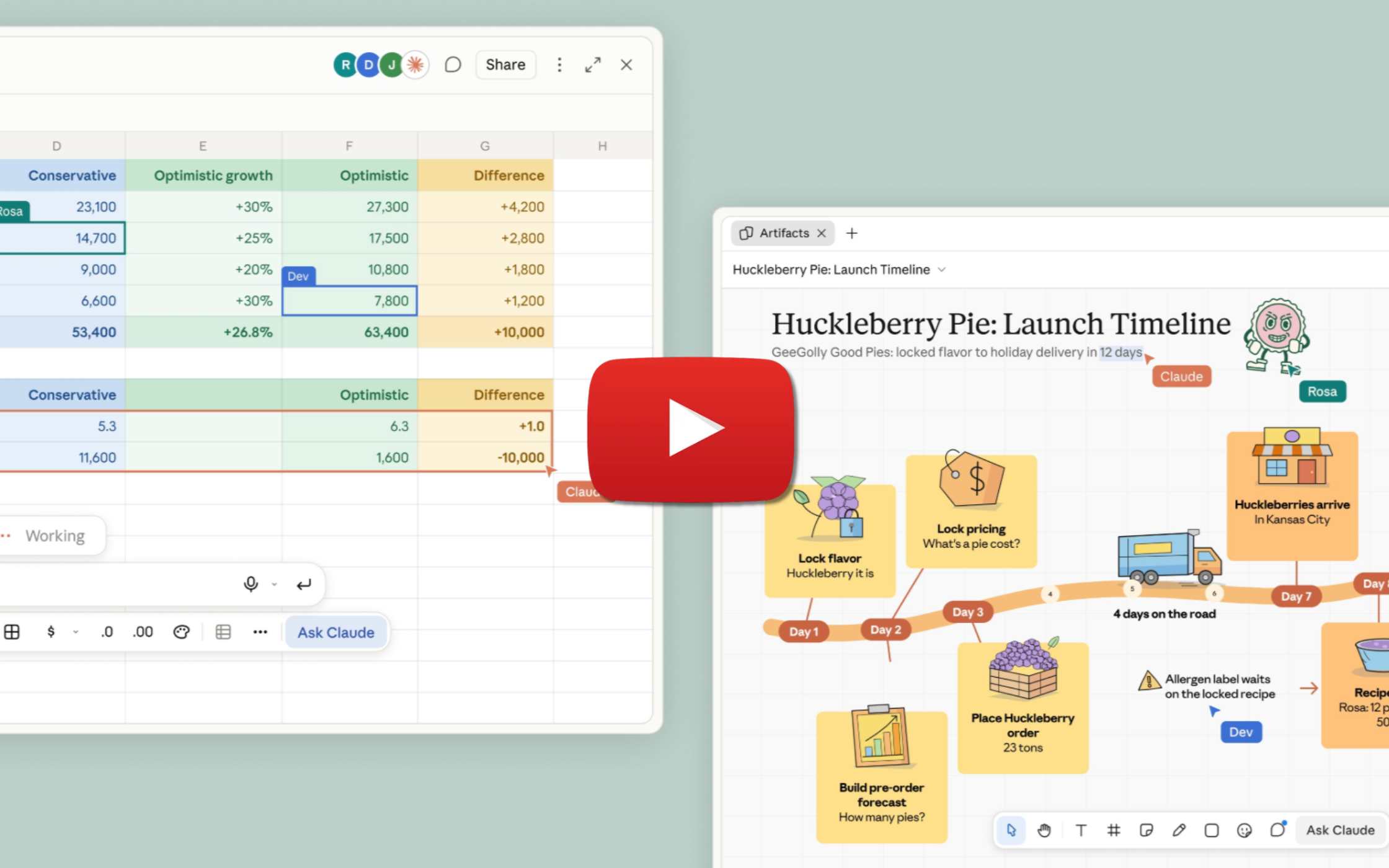
Anthropic rolled out Claude Whiteboards, Sheets, and Data, now rolling out to paid plans under Claude's Artifa…
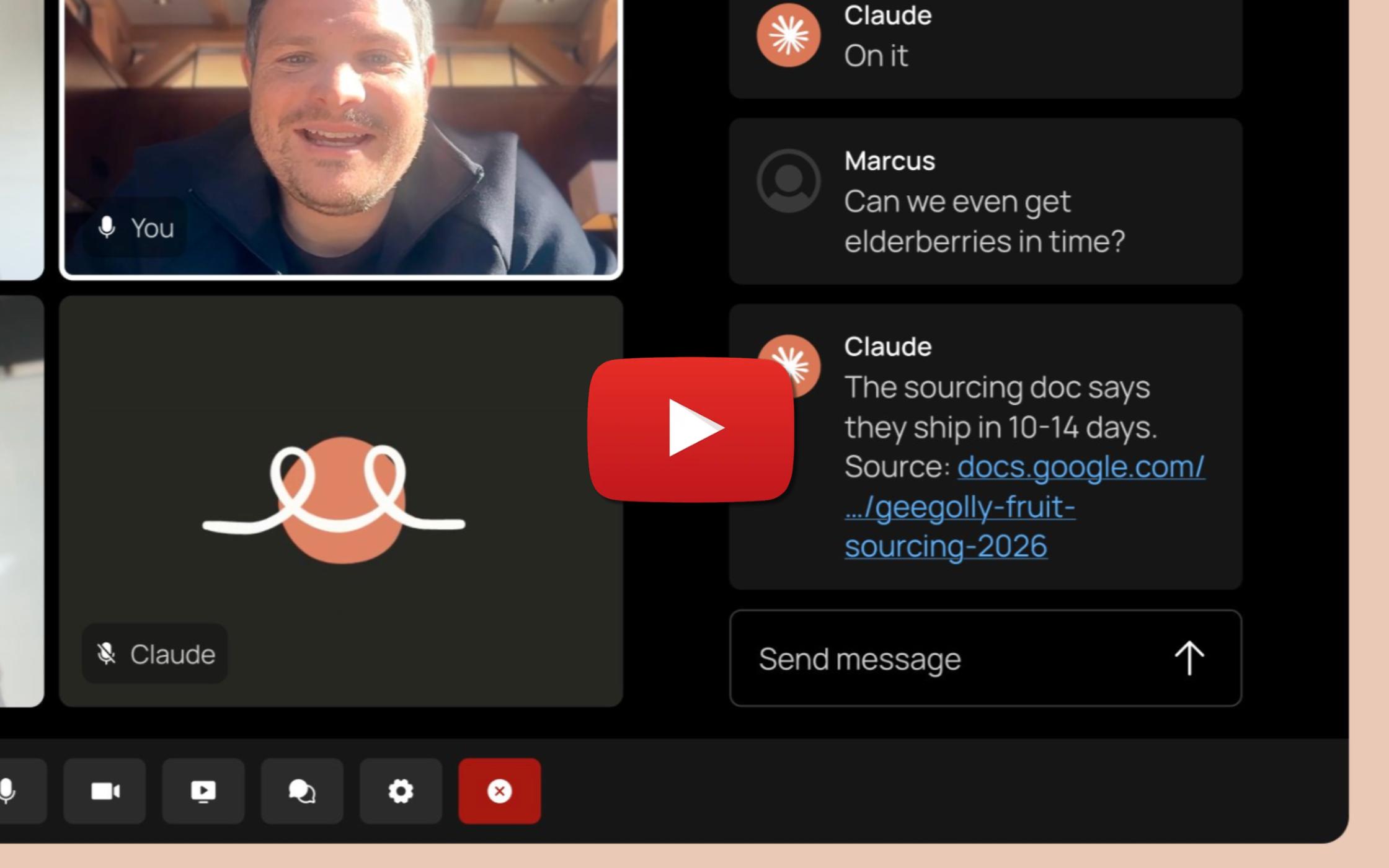
Anthropic rolled out Claude Meetings to Team and Enterprise plans on Google Meet, letting Claude follow along…
Runway released Praxis-1 with open weights and source code under the Apache 2.0 license, which allows commerci…
Dai Nippon Printing is entering the AI search optimization support business, planning to roll it out to 500 co…