What happened
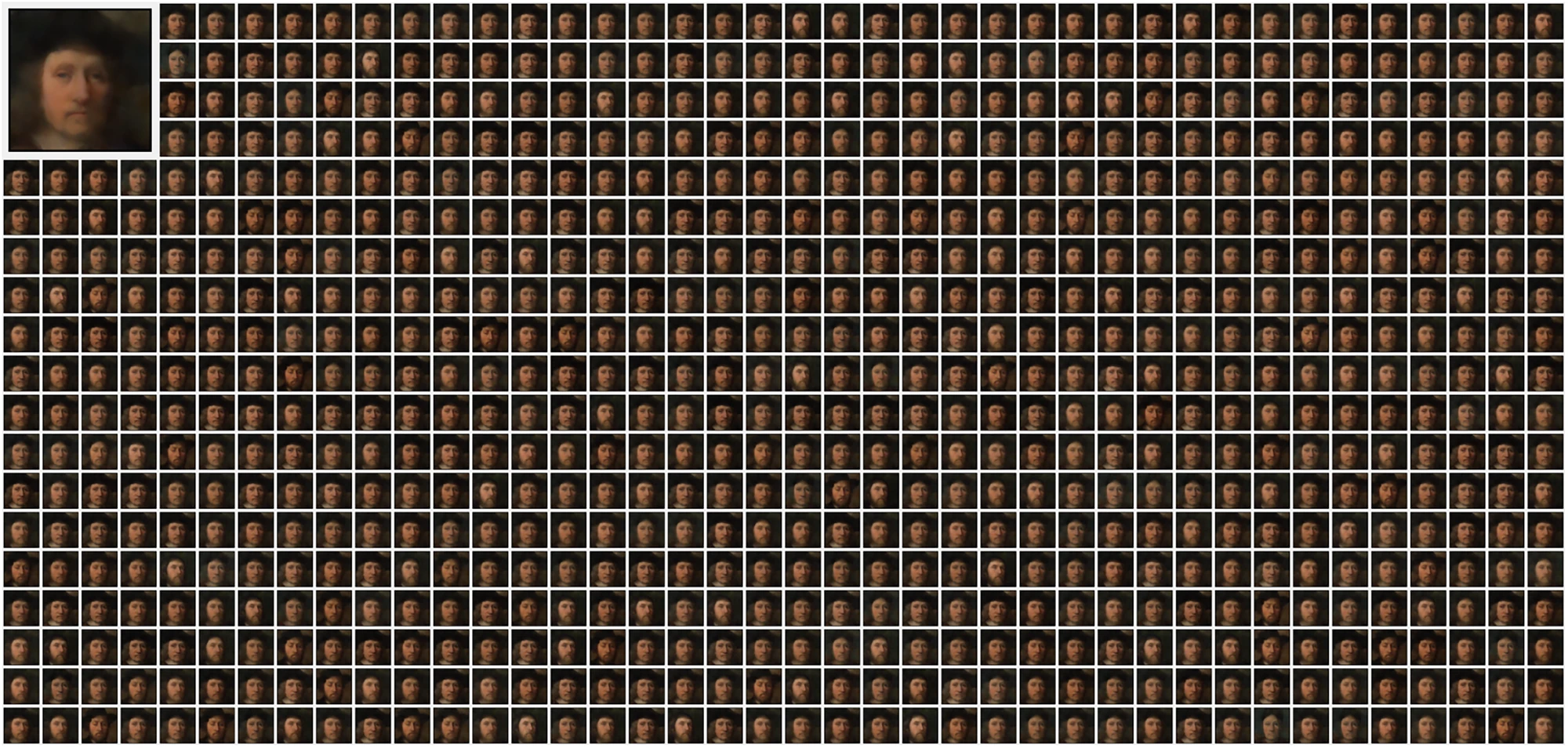
Researchers at MIT's Computer Science and Artificial Intelligence Laboratory found that generative AI models trained on large datasets cannot reliably be traced back to individual images in their training data — a phenomenon they call "attribution decay." The more data a model is trained on, the harder it becomes to link a generated image to a specific source, even if a particular artist's entire body of work were removed from the training set.
Why it matters
This finding complicates copyright enforcement. AI companies including MidJourney, OpenAI, and Microsoft have trained models on books, articles, photos, and other works often without author permission, triggering lawsuits from Disney, NBCUniversal, DreamWorks, and The New York Times. The study's lead author, Zheng Dai (a former MIT researcher), notes that the inability to establish attribution links may force a rethinking of intellectual property law and fair use policy — "the attribution link sort of vanishes" — making it harder to prove infringement in court.
What to watch
The legal implications. Copyright cases now underway will likely hinge on whether courts accept that attribution decay is a fundamental property of large-scale generative models, potentially reshaping how intellectual property claims are evaluated against AI training practices.
Summaries like this, in your inbox every morning.
The study addresses a critical gap exposed by the recent wave of copyright litigation against AI companies. Since 2023, major studios and publishers have sued AI developers for training models on copyrighted material without authorization. These cases rest on the ability to demonstrate that a generated output is derived from a specific protected work — but the MIT researchers have found that this causal link becomes effectively invisible as models scale. The phenomenon of attribution decay suggests that training on larger datasets actually obscures the provenance of generated outputs, making it harder for plaintiffs to establish the precise copyright violation needed to win in court.
This discovery reframes the intellectual property debate. Previous lawsuits assumed that tracing generated content back to its training sources would be a technical and legal tool to prove infringement. The study indicates that assumption may not hold. Lead researcher Zheng Dai explicitly raises the prospect that courts and regulators may need to fundamentally redefine intellectual property rights in the age of large-scale AI training — moving away from a model based on demonstrable attribution of individual works and toward a different framework entirely.
Pick your industry and the AI tools you use, and get news related to your work every day.
Free · 30 seconds with Google · unsubscribe anytimeWhat is AIToday? →
Ask AI anything about this article. The AI reads this article, earlier AIToday articles, and Wikipedia, and cites its sources. Q&As are published on this page for other readers too.
Citi has become the latest US bank to restrict AI agents from accessing accounts, per the Financial Times

Humans First released an "America First AI Policy" platform on Friday, proposing tighter export controls on Ch…
Germany's government will unveil an AI agreement with Nvidia next week, according to government sources cited…

Charles Schwab CEO Rick Wurster said an AI agent should trade for you only if you set the rules and oversee th…

Palo Alto Networks launched Prisma AIRS updates that integrate runtime protection into Claude Enterprise via i…

Dell leads day 1 of the AI Cybersecurity and Resilience Summit on Oct