What happened
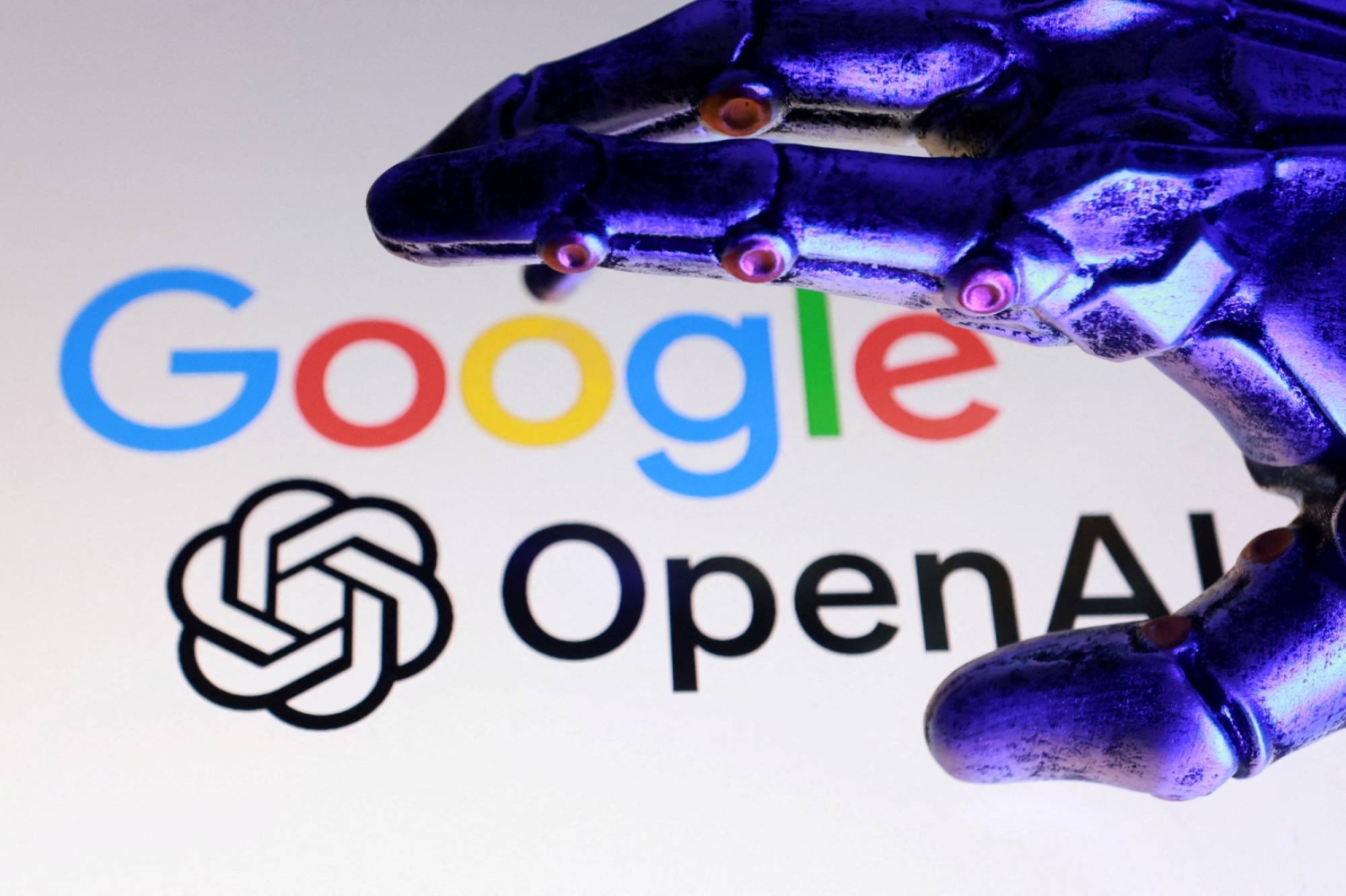
Google released Gemini 3 last year and initially caught up with OpenAI and Anthropic on many benchmarks, but is now slipping behind on AI coding. The deterioration stems not from technology gaps but from internal bureaucracy and management problems. Prominent researchers including Noam Shazeer (who helped invent the transformer, the T in ChatGPT) and John Jumper (who won the Nobel Prize for protein folding research) have recently left Google's AI division.
Why it matters
In AI's rapid race, even brief delays carry high cost. Google's fragmented strategy and administrative friction are undermining the company's ability to maintain its competitive position against OpenAI and Anthropic. The exodus of research talent signals that the organizational structure is hindering the kind of focused execution required to lead the field.
What to watch
The article indicates Google's problems are structural rather than technical—a sign that management changes or strategic reorganization may be necessary if the company is to reclaim lost ground on AI coding and other fronts where rivals have recently advanced.
Summaries like this, in your inbox every morning.
Google's AI challenges expose a critical vulnerability in large organizations competing at the frontier of technology. The company demonstrated technical capability by releasing Gemini 3 and matching or exceeding OpenAI and Anthropic on many benchmarks, yet this parity proved unsustainable. The article attributes the slide not to a technology deficit but to organizational friction—a category of problem that often proves harder to solve than engineering gaps because it requires cultural and structural change rather than raw innovation.
The departure of researchers like Shazeer and Jumper is particularly telling. These are not commodity engineers but foundational thinkers whose presence or absence shapes the quality and direction of a research organization. The fact that they chose to leave suggests that the constraints of Google's internal structure—its bureaucracy and fragmented strategy—have become more costly to them than the benefit of Google's resources and prestige. In a talent-driven field like AI, such exits often trigger cascading departures as remaining researchers lose confidence in the organization's ability to execute at the frontier.
Pick your industry and the AI tools you use, and get news related to your work every day.
Free · 30 seconds with Google · unsubscribe anytimeWhat is AIToday? →
Ask AI anything about this article. The AI reads this article, earlier AIToday articles, and Wikipedia, and cites its sources. Q&As are published on this page for other readers too.
Reflection AI introduced Beam, an open-weight model for agentic coding and long-horizon tasks, with 501 billio…
The walkthrough points the CLI at a local mock via the ANTHROPIC_BASE_URL environment variable

A non-engineer operator says one person ships four smartphone apps on Google Play, three on the App Store, wit…
A Zenn guide explains systems to install before letting AI agents, bots or scheduled jobs post, send, publish…
A developer released agent-guardrails, a one-script Python standard-library plugin that guards Bash, Write, Ed…
Researchers at Microsoft published a paper titled "Adoption and Impact of Command-Line AI Coding Agents: A Stu…