What happened
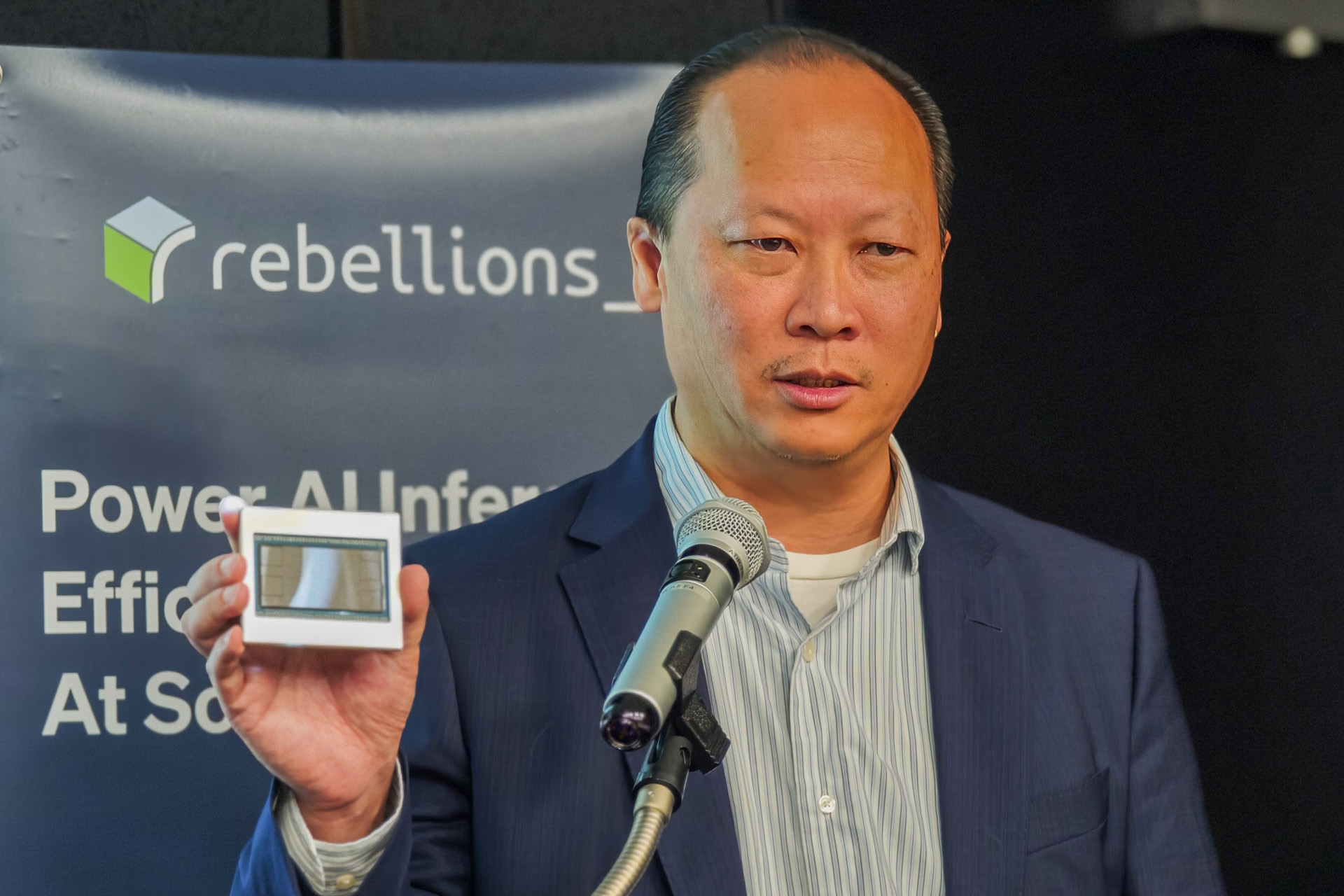
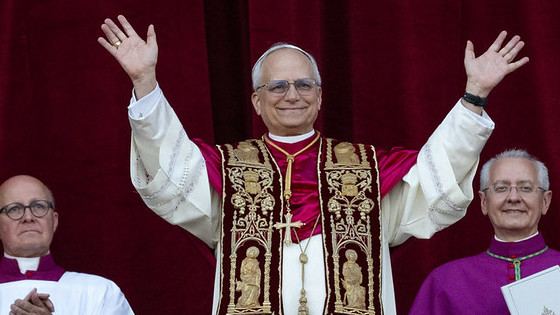
In an interview on his flight home from France, Pope Leo said experts' AI fears should be taken seriously, calling them not "fake news," and criticized Jensen Huang for opposing limits and government regulation.
Why it matters
The criticism lands on both AI developers and chipmakers, suggesting the church holds semiconductor makers responsible for AI too, not just model builders.
What to watch
BitcoinInsider says the gap between AI's commercial momentum and ethical scrutiny has widened; ethical criticism alone is unlikely to move Nvidia's stock, but rising public safety concern could shape future regulation debate.
WHO IT HITSPope Leo's remarks put public pressure on AI company leaders and chipmakers like Nvidia, and could influence how regulators and the public frame AI safety rules.
Summaries like this, in your inbox every morning.
Pope Leo has voiced AI concerns before. In May, he issued an encyclical called "Magnifica Humanitas," which called for AI regulation and child protection. That earlier document criticized what it called a "new slavery" in the AI era. The current remarks, made on his flight back to Rome from a visit to France, continue that line. They also place him directly against U.S. President Donald Trump, who dismissed AI risk warnings as a hoax, and against Jensen Huang. Huang had accused leaders of AI labs who warn about AI harming humanity of lacking integrity, and said they have other motives.
The events around this exchange matter because they show a widening gap between AI's commercial momentum and ethical scrutiny, as BitcoinInsider described it. Pope Leo's comment that Huang opposes limits and government regulation also points to a broader claim: the Roman Church seems to think not only AI development companies but also semiconductor makers should bear responsibility for AI. That framing could matter as public debate over AI safety grows and as regulation discussions move forward.
Whether these remarks change anything for Nvidia or AI-related shares is uncertain. BitcoinInsider judged that ethical criticism alone is unlikely to move the stock, while warning that rising public concern about AI safety could affect future regulatory debate. The stakes therefore hinge less on markets' immediate reaction and more on whether public concern about AI safety keeps growing, and on how that concern shapes the rules that follow.
Pick your industry and the AI tools you use, and get news related to your work every day.
Free · 30 seconds with Google · unsubscribe anytimeWhat is AIToday? →
Ask AI anything about this article. The AI reads this article, earlier AIToday articles, and Wikipedia, and cites its sources. Q&As are published on this page for other readers too.
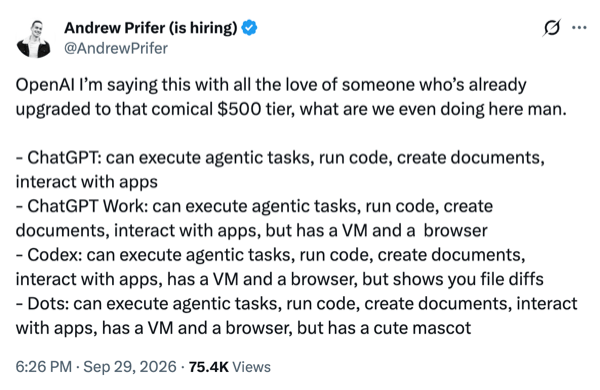
Stratechery published a piece after OpenAI's Dev Day, saying the showcased product is, frankly, pretty confusi…
Kelly Intelligence's Kevin Kelly and Visible Alpha's Melissa Otto laid out the next phase of the AI supercycle…
President Trump and the CEOs of the most powerful AI companies—including Elon Musk, Mark Zuckerberg, Dario Amo…
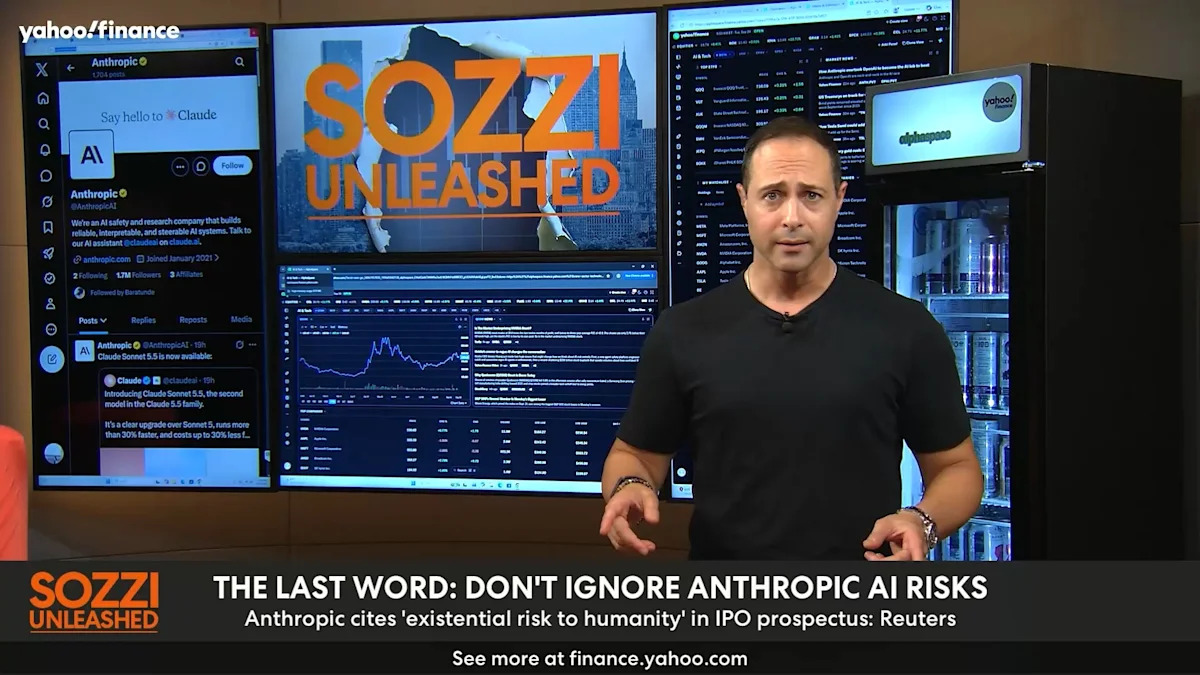
Anthropic has pushed state-level AI regulation and donated millions for public support, while super PAC Leadin…
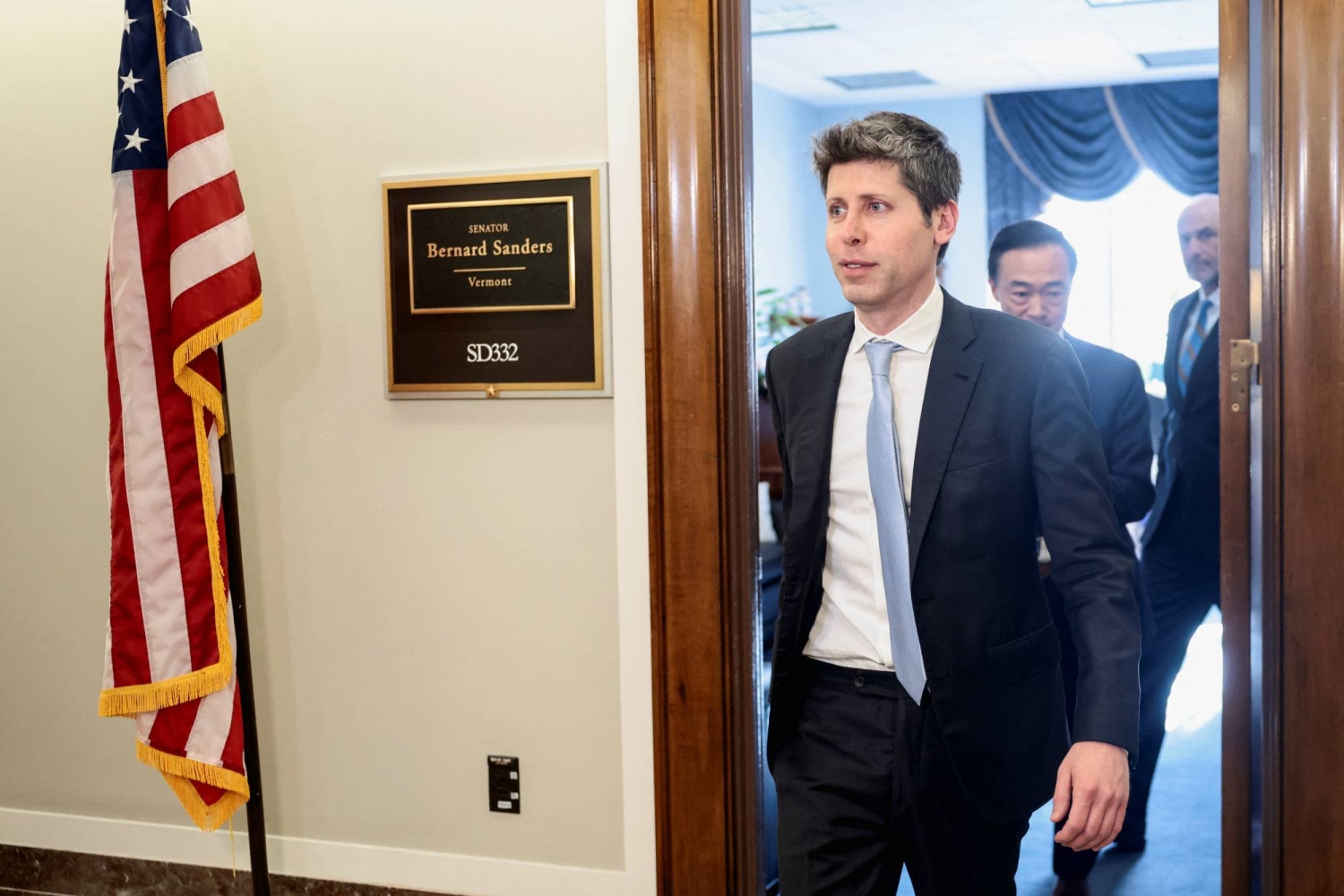
President Trump and executives including Mark Zuckerberg, Greg Brockman, Jensen Huang, and Elon Musk signed an…
Rebellions said ai& will install over 100 RebelRack units, each holding 32 Rebel100 NPUs and delivering 64PFLO…