What happened
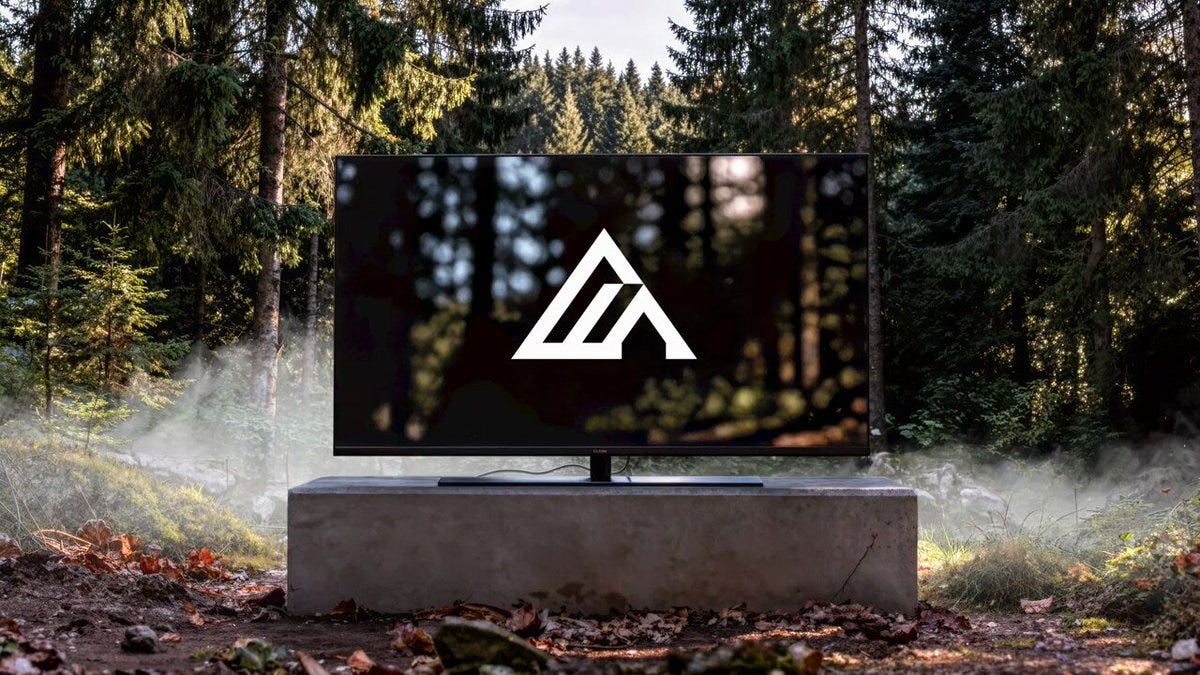
Black Forest Labs announced FLUX 3, a unified multimodal model trained in a single architecture that handles image, video, audio generation, and action prediction. The company also unveiled FLUX-mimic, a video-action robotics model built on FLUX 3 and tested with Audi for real factory deployment on a single on-premises GPU.
Why it matters
FLUX 3 reproduces and extends capabilities previously demonstrated separately by other frontier labs (Gemini Omni, Grok Imagine, Seedance 2.0), with the team committing to open an open-weights developer version. The robotics application signals that video world modeling can directly transfer to robot control, potentially lowering barriers for labs building competitive open models without reliance on closed ecosystems.
What to watch
FLUX 3 Video is currently in early access. The model's ability to unify image, video, audio, and robotics control in one architecture—trained jointly rather than as separate modules—will shape whether multimodal systems become industry standard or remain fragmented by task.
Ask the AI about this article →
Summaries like this, in your inbox every morning.
Black Forest Labs' FLUX 3 marks a significant shift in how frontier multimodal systems are structured. Rather than assembling image, video, and audio generators as separate modules—as competitors like Google (Gemini Omni), xAI (Grok Imagine), and others have done—FLUX 3 trains all modalities in a single unified architecture. This approach matters because unified training is claimed to enable emergent capabilities: the company argues the same backbone can be extended toward robotics, which FLUX-mimic demonstrates concretely. The robotics instantiation is not merely a proof-of-concept; testing with a real manufacturer (Audi) in production settings signals confidence that video world modeling transfers directly into robot control quality and sample efficiency.
The open-weights commitment also positions FLUX 3 within a broader competitive dynamic around model access. As The Stack v3 release (a 114 TB open code dataset) reinforces in the same news cycle, open datasets and open models materially raise the floor for labs that want to build competitive systems without reliance on closed ecosystems. By promising an open-weights developer version alongside the commercial early-access product, Black Forest Labs is signaling that reproduction and extension of frontier capabilities in open form is now expected, not exceptional.
For example, today's edition would include:
AI-summarized, only the topics you pick — one digest a day via Email, Slack, or Discord.
Free · 30 seconds with Google · unsubscribe anytimeWhat is AIToday? →
Ask AI anything about this article. Q&As are published on this page for other readers too.
Chairman Yoshihisa Kainuma said Minebea Mitsumi has no current plans for deals, choosing instead to focus on b…

NBC News aired an interview Monday on 3rd Hour of Today in which correspondent Chloe Melas spoke by video call…

Intuitive Surgical reported a prospective study tying Force Feedback to faster bowel function recovery after p…

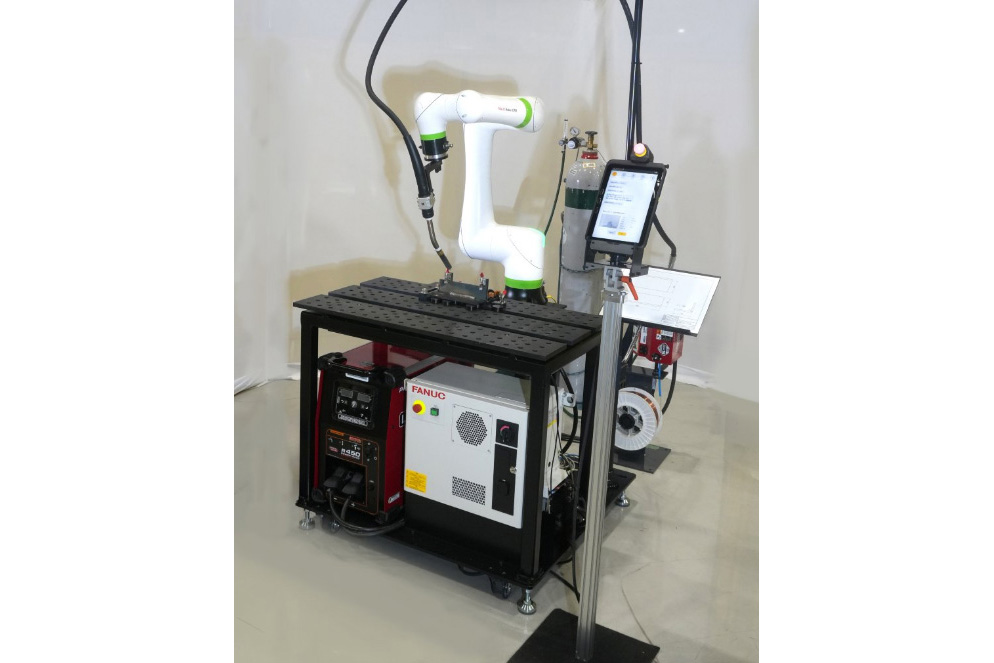
FANUC developed an "AI welding agent" that reads drawings and automatically generates a robot's welding motion…
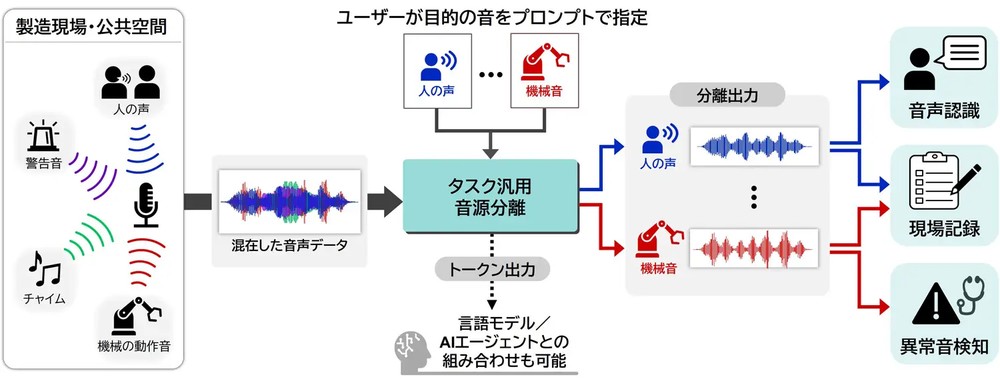
Mitsubishi Electric said it developed a single AI model, Task-Specific Sound Source Separation Technology, tha…
Sayings attributed to Suzuki Motor's late chairman Osamu Suzuki have been turned into a karuta card game