Modern automation systems—from warehouse robotics to autonomous delivery and predictive maintenance platforms—increasingly depend on cloud computing, edge processing, and continuous data exchange, shifting from isolated on-premise networks to highly interconnected ecosystems.
Real-world network performance issues including latency (critical for millisecond-level decisions), reliability (intermittent connectivity can halt operations or create safety risks), and bandwidth (required for high-resolution sensors and video feeds) often diverge from theoretical capacity, creating gaps where automation deployments encounter failures.
Organizations are addressing these challenges by shifting toward hybrid architectures combining cloud computing with edge processing to reduce latency, implementing redundancy through multiple connectivity paths and failover mechanisms, and mapping connectivity at granular levels before deploying automation to ensure each location meets required performance thresholds.
Ask the AI about this article →
For example, today's edition would include:
AI-summarized, only the topics you pick — one digest a day via Email, Slack, or Discord.
Free · takes 30 seconds · unsubscribe anytimeWhat is AIToday? →
Ask AI anything about this article. Q&As are published on this page for other readers too.
Suntory Logistics and Toyota Industries announced on September 1 that they will begin a demonstration test in…
AWS Japan held a成果発表会 on August 31, 2026, where 13 projects from 14 companies presented results from its physi…
Google DeepMind unveiled Gemini Robotics 2, the latest vision-language-action (VLA) model, with whole-body con…
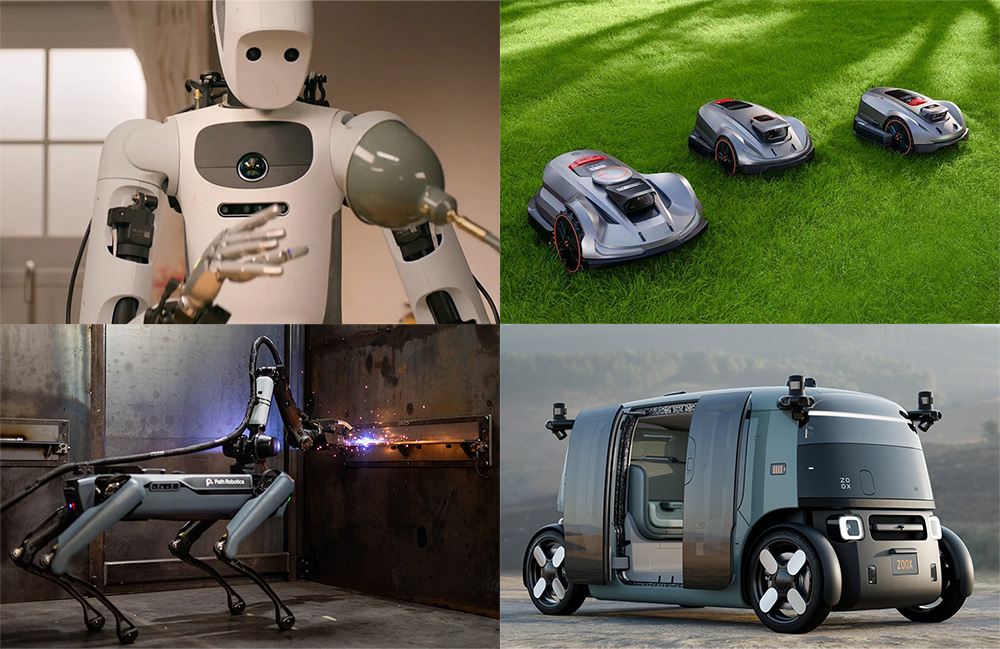
At RoboBusiness 2026, held Oct

K-Safety Expo 2026 will be held at BEXCO in Busan from September 2–4, featuring AI, robots, sensors, and conne…

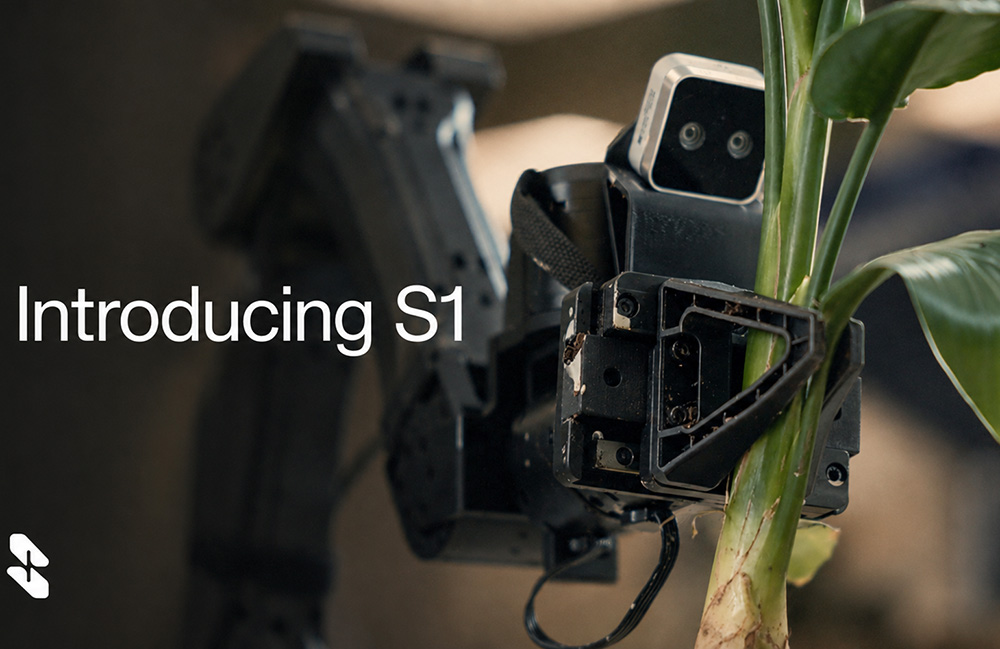
Skild AI has introduced S1, its flagship robot foundation model, which lets robots learn new, complex tasks by…