What happened
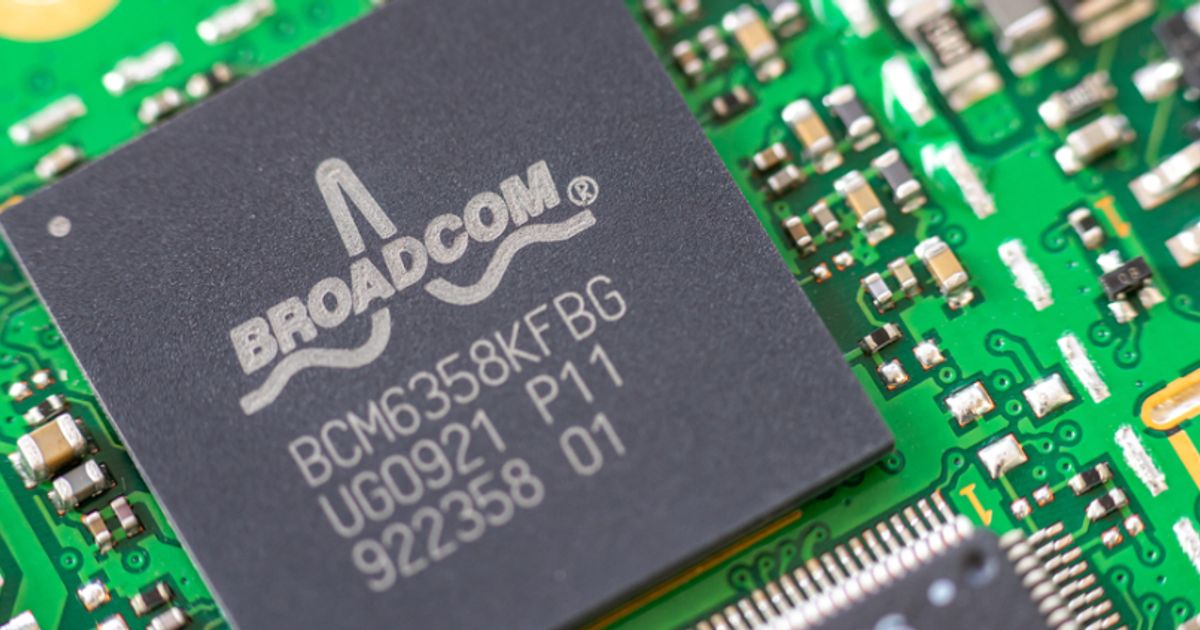
Broadcom is in talks to raise more than $60 billion in debt, potentially reaching $100 billion when combined with a senior-secured tranche of $60–70 billion, to finance AI chips supplied to Anthropic and other companies. Blackstone and Apollo Global Management are in talks to participate in the financing.
Why it matters
Access to computing power is now a chief constraint for AI companies, and financing of this scale—typically seen in energy or infrastructure—is needed to secure chip supply without burdening their own balance sheets. The deal underscores how the AI industry now relies on outside capital from private firms, as banks alone cannot underwrite the sums required.
What to watch
The figures have not been formally confirmed. Anthropic is separately preparing to file paperwork for an initial public offering that could rival the record set by SpaceX, making the timing and structure of this financing relevant to that process.
Summaries like this, in your inbox every morning.
The scale of borrowing Broadcom is pursuing reflects a fundamental shift in how AI infrastructure is financed. Banks have reached the limits of what they will underwrite alone, pushing private capital firms like Blackstone and Apollo into a leading role in lending for AI infrastructure. This move is not incidental to the AI boom—it is structural, arising directly from the mismatch between the computing power demand of AI companies and their ability to self-finance.
Anthropicis one of the named beneficiaries, and the timing is notable: the company is simultaneously preparing for an initial public offering that could rival SpaceX's record. The financing deal allows Anthropic to secure chip supply without draining its balance sheet, a critical advantage as it prepares to go public. The reported talks underscore not a trend but a necessity—the AI industry's dependence on outside capital to keep pace with demand is no longer optional.
Pick your industry and the AI tools you use, and get news related to your work every day.
Free · 30 seconds with Google · unsubscribe anytimeWhat is AIToday? →
Ask AI anything about this article. The AI reads this article, earlier AIToday articles, and Wikipedia, and cites its sources. Q&As are published on this page for other readers too.
AMD closed at $608.10 on October 9, down 6.36% from its October 6 record close of $649.42, after a Financial T…
The Motley Fool argued SpaceX is the better long-term AI stock than Micron, noting SpaceX's $1.25 billion-per-…
A Motley Fool contributor named Nvidia his top AI stock for 2027, arguing its price could double if it returns…

Hitachi started a service last month using AI models from OpenAI and Anthropic to monitor attacks and restore…
McKinsey's new research finds the U.S
TypeSafe AI opened early access to Jev on September 15, 2026


