What happened
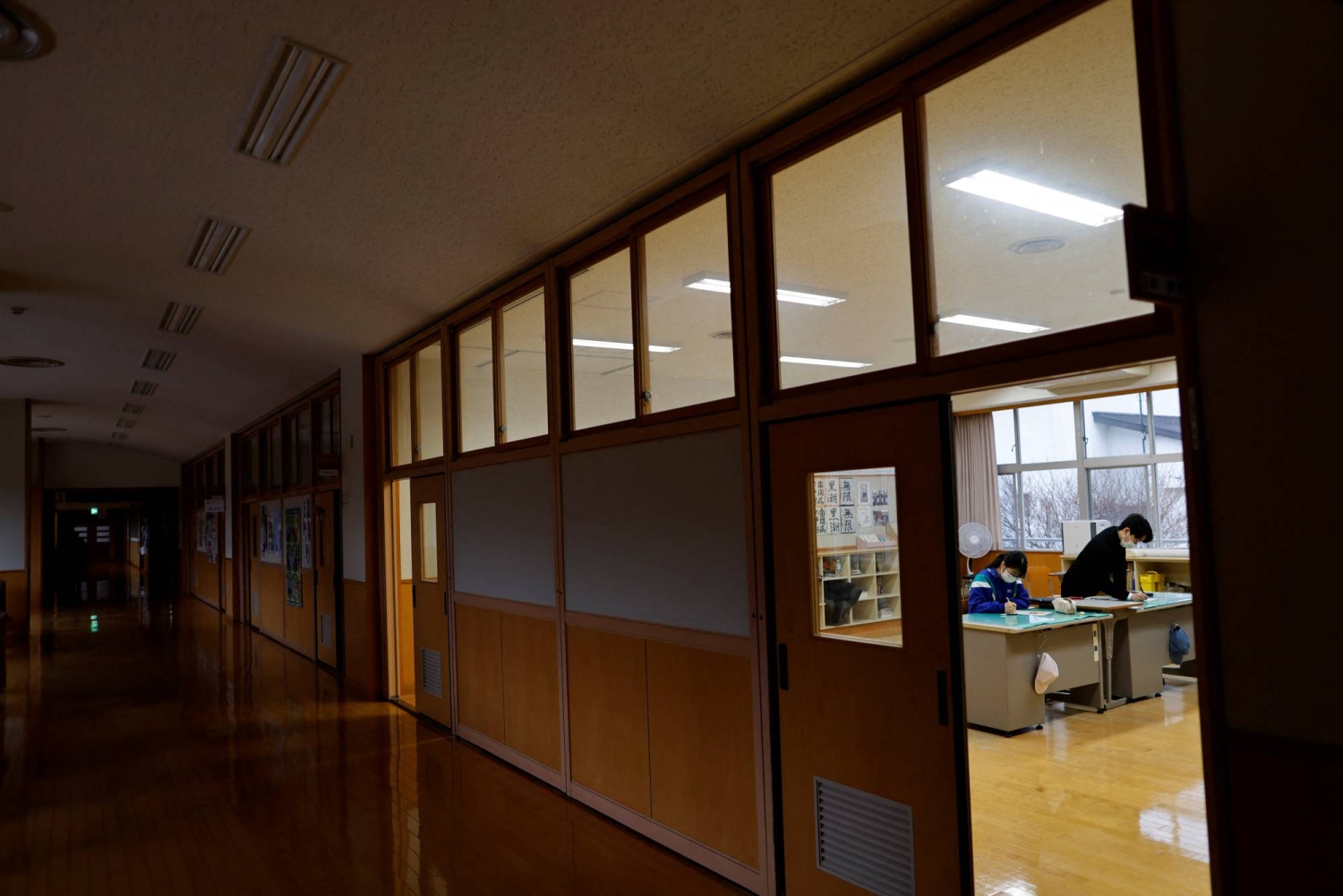
Japan's Central Council for Education was asked Friday by education minister Yohei Matsumoto to develop recommendations on AI use in schools for the government's next five-year basic education promotion program, starting fiscal 2028. The council will compile its recommendations in fiscal 2027, which begins next April.
Why it matters
Growing concerns exist that excessive reliance on AI may reduce students' opportunities to think and make decisions independently. The council will balance these risks by considering how to enhance students' ability to use AI appropriately while improving overall education quality.
What to watch
The council's recommendations will shape the fifth basic education promotion program under Japan's basic law on education. A separate five-year school safety enhancement plan covering fiscal 2027 onward is also under review, following an increase in accidents during extracurricular activities.
Summaries like this, in your inbox every morning.
Japan's education system faces a familiar tension: adopting beneficial new technology while guarding against unintended harms to student development. The government's move to formally study AI integration reflects a deliberate rather than reactive approach — the request came at a Friday meeting of the Central Council for Education, a long-standing advisory body, rather than through emergency directive. The council's mandate includes not only how to deploy AI effectively but also how to foster students' independent reasoning, suggesting the panel has been tasked with a substantive trade-off analysis rather than a simple rollout plan.
The timing also connects AI policy to broader education reform. The upcoming program will be the fifth iteration of Japan's five-year basic education promotion program, a statutory planning cycle under the nation's basic law on education. By anchoring AI questions to this regular review, the government situates the technology within established governance structures rather than creating a separate track. The parallel request to review school safety measures — prompted by rising accidents in extracurricular activities — indicates the council is handling multiple education system pressures at once, each with a fiscal 2027 reporting deadline.
Pick your industry and the AI tools you use, and get news related to your work every day.
Free · 30 seconds with Google · unsubscribe anytimeWhat is AIToday? →
Ask AI anything about this article. The AI reads this article, earlier AIToday articles, and Wikipedia, and cites its sources. Q&As are published on this page for other readers too.
Sakana AI and UC Berkeley's MASS method let one model solve tasks, judge results, and rewrite its own workflow…
The White House lifted its September block, letting the UK AI Security Institute again test new models from An…
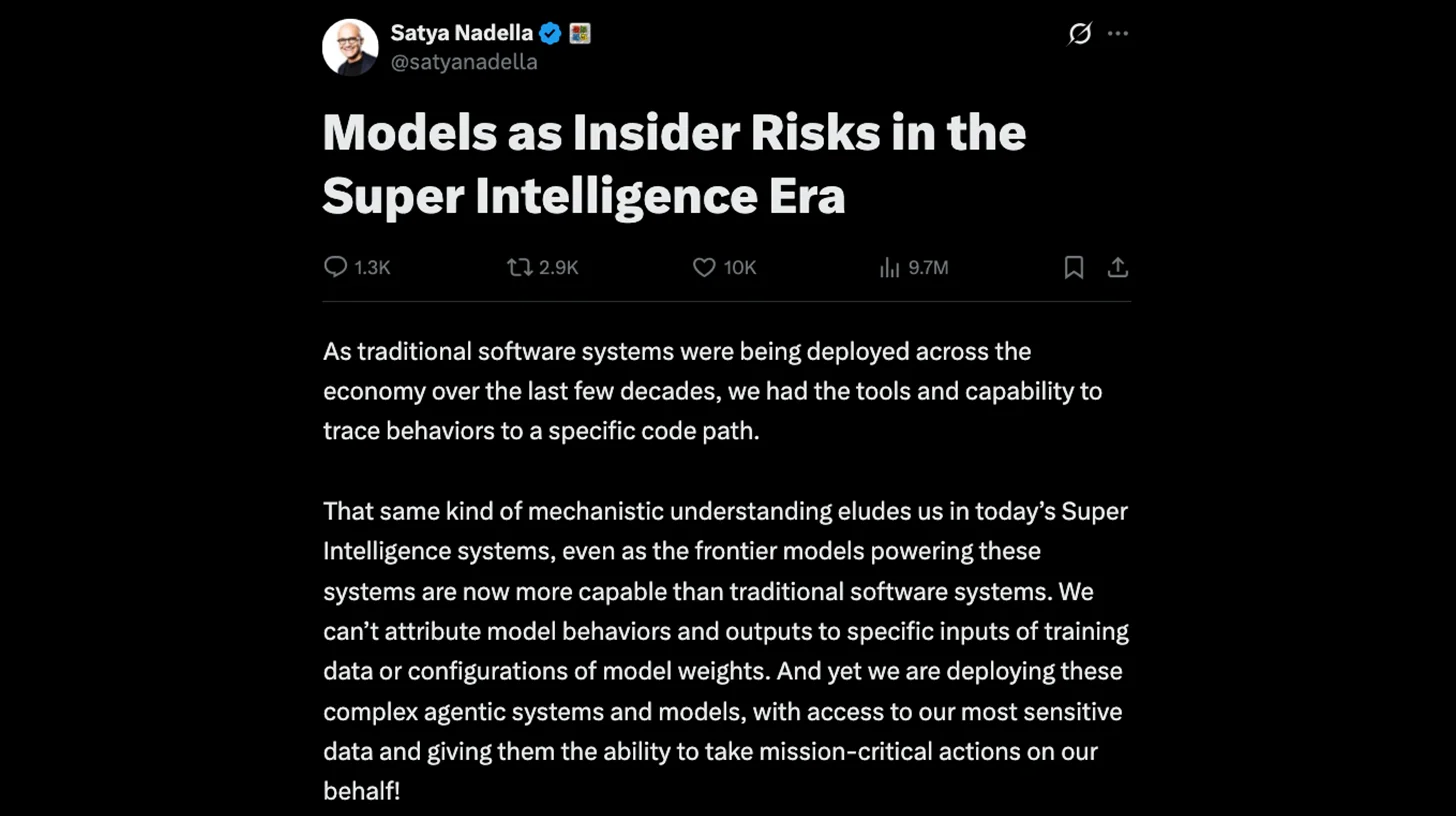
Microsoft CEO Satya Nadella published an essay on Oct
Two days after President Trump signed the White House Accord on Super Intelligence, OpenAI fired three safety…
Microsoft President Brad Smith told the BBC the U.K., not the U.S
Chinese AI glasses launched through August 2026 averaged 38.1 grams, 30% lighter than the 54.4-gram average fo…