Goldman Sachs estimates U.S. AI investment will reach almost $600 billion in 2026, equivalent to nearly 2% of US GDP, but the bank has found relatively limited evidence that this surge is crowding out spending elsewhere in the economy.
While large technology companies have primarily funded their AI infrastructure by reducing share repurchases and borrowing rather than cutting other investments, companies purchasing AI services are financing approximately two-thirds of their AI costs through reductions in other areas of corporate spending — indicating some direct crowding out, though at smaller overall scale.
What happened
Goldman Sachs analyst Jessica Rindels estimates U.S. AI investment will reach almost $600 billion in 2026, equivalent to nearly 2% of US GDP. The bank examined whether this rapid expansion is displacing capital from other business activities and found relatively little widespread crowding-out effect so far.
Why it matters
AI spending now represents more than 10% of business fixed investment in recent quarters, raising concerns that companies are reallocating resources away from other projects. However, major technology companies (hyperscalers) have largely funded AI by reducing share repurchases and borrowing rather than cutting other investments, limiting the displacement effect on the broader economy.
What to watch
Among companies purchasing AI services rather than building infrastructure themselves, approximately two-thirds of their AI-related expenditure is financed through reductions in other corporate spending — evidence of direct crowding out, though the overall amounts remain relatively small compared with hyperscaler infrastructure investments.
Ask the AI about this article →
Goldman Sachs' analysis addresses a critical concern for policymakers and investors: whether the extraordinary surge in AI spending is starving other parts of the economy of capital. With U.S. AI investment approaching $600 billion annually and consuming more than 10% of business fixed investment in recent quarters, the question of crowding out has become urgent. However, the bank's findings suggest a bifurcated picture. Large technology companies building AI infrastructure have the financial flexibility to absorb these massive investments without cannibalizing other projects — they can tap capital markets, generate substantial internal cash flows, and reduce shareholder returns instead of operational spending. This structural advantage means hyperscalers are not forcing difficult trade-offs within their own organizations. The crowding-out effect emerges more visibly among smaller companies that purchase AI services rather than build infrastructure themselves: approximately two-thirds of their AI costs come from reallocating existing budgets. Yet even here, the absolute dollar amounts are modest relative to the hyperscaler buildout, limiting the economy-wide displacement effect Goldman has observed so far.
For example, today's edition would include:
AI-summarized, only the topics you pick — one digest a day via Email, Slack, or Discord.
Free · takes 30 seconds · unsubscribe anytimeWhat is AIToday? →
Ask AI anything about this article. Q&As are published on this page for other readers too.
Phonely Ltd. launched Alma, a large language AI model built for voice agents and trained on over 10 million re…

Aranya Inc., a startup founded last year, launched today with $11 million in funding

CBTS Technology Solutions LLC launched Forge Agents, a platform that turns a plain-language job description in…

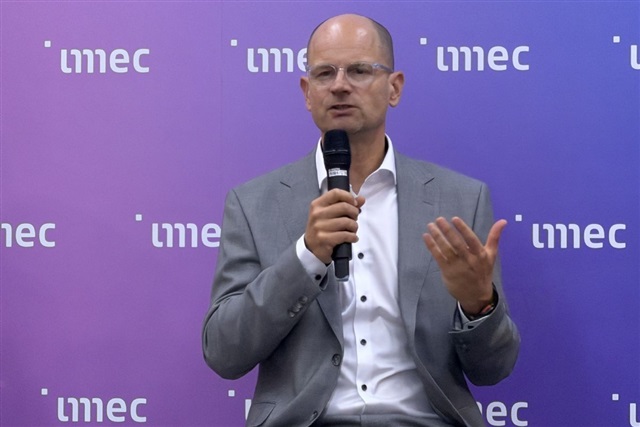
Imec CEO Patrick Vandenameele said at SEMICON Taiwan 2026 that the Belgian research center is broadening its c…
Alphabet's AI Overviews now reach over 2.5 billion monthly users through Google Search, and its ad business ge…
Sarah O’Connor's book 'We Are Not Machines' explores how mechanization and AI have transformed the workforce…