What happened
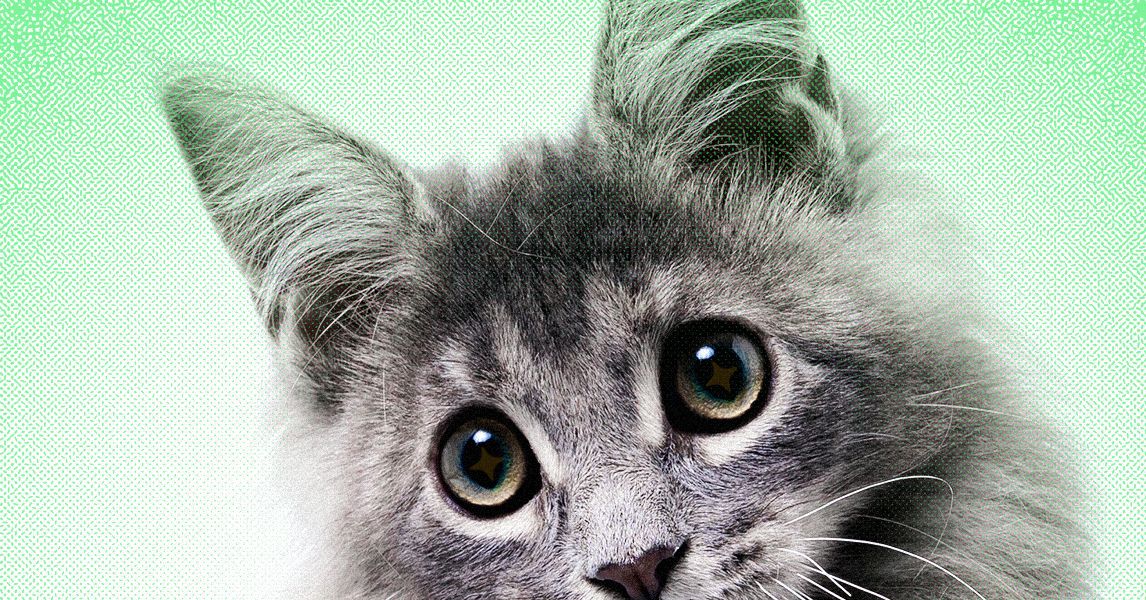
AI-generated animal videos and pictures, from polar bear rescues to found pets, are so prevalent that viewers no longer take animal posts at face value. One lost cat owner received a scam photo that ChatGPT confirmed it had generated, nearly identical to her original poster.
Why it matters
The flood of fakes frustrates viewers and harms authentic creators like We Animals, which now faces AI accusations despite banning the technology. Experts like Oscar Horta worry that synthetic rescue videos will lead people to question real rescue efforts and hamper fundraising, especially as extreme weather events become more common.
What to watch
New laws in California and the EU require popular AI image generators to embed invisible tags, and social platforms must label AI content. Integrating verification tools into messaging apps and browsers, plus updates to model guidelines as proposed by Jeff Sebo, could help restore trust.
What to watch
The effectiveness of new laws and verification tools depends on adoption, but the article suggests that automatic warnings on devices, like an iPhone alerting users to potential fakes, could ease the burden on individuals, as seen in Butler's case.
Summaries like this, in your inbox every morning.
The story highlights a deepening crisis of trust in online animal content, fueled by the cheap production of synthetic media. The case of Mibbby Butler, whose missing cat photo was scammed with an AI-generated image, illustrates a personal toll, while the nonprofit We Animals faces reputation damage despite banning AI among its photographers. The article suggests that authenticity verification is becoming a prerequisite for credibility, as even shocking but real footage is now doubted.
The proposed solutions—new watermarking laws, better verification tools, and updated AI guidelines—address the supply side of the problem, but their effectiveness hinges on adoption and usability. The trend toward embedding provenance into digital files and integrating checks into everyday platforms could help, but caps on image checks and limited public awareness remain hurdles. As extreme weather events become more common, the risk of AI fakes undermining genuine rescue efforts could have real-world consequences for wildlife and people alike.
While the article avoids sweeping industry predictions, it points to a growing need for media literacy and technical safeguards. The emotional stakes, from lost pets to wildlife rescues, make this a uniquely compelling intersection of AI ethics, conservation, and online behavior.
Pick your industry and the AI tools you use, and get news related to your work every day.
Free · 30 seconds with Google · unsubscribe anytimeWhat is AIToday? →
Ask AI anything about this article. The AI reads this article, earlier AIToday articles, and Wikipedia, and cites its sources. Q&As are published on this page for other readers too.
Anthropic gave six METR staffers hardware, office space and internal tools, putting them roughly on par with i…

Cammarata reinterprets InceptionV1's cat-car neuron as a V-shape detector, not two unrelated concepts
Meta's new commercial terms, effective October 30th, appear to let it crawl and train AI on content from websi…

At TechCrunch Disrupt, Mark Wahlberg said he may use AI to enhance the stadium setting in his upcoming Pete Ro…

A Zenn contributor sorted AI use into three modes — AI as an assistant, AI running alongside people, and AI th…

A developer released agent-guardrails, a one-script Python standard-library plugin that guards Bash, Write, Ed…

