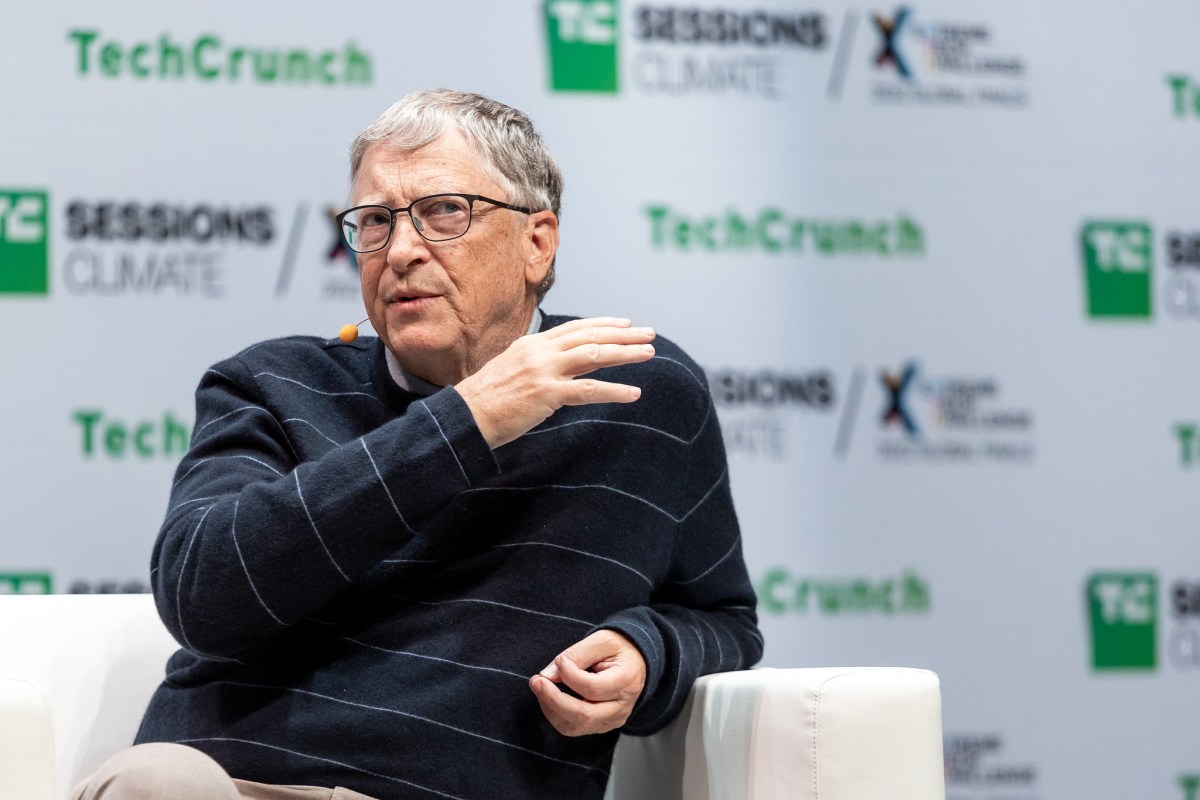
Bill Gates proposed new policies to soften AI's impact on workers.
He suggests taxing robots and reserving some jobs for humans only.
The ideas could reduce AI labs' profits.
What happened
Bill Gates posted a long essay on Gates Notes proposing a “robot tax” and setting aside certain jobs as “Human Reserved” to mitigate AI's labor impacts.
Why it matters
Gates argues the tax system currently nudges employers toward replacing people with machines, and that some jobs should be barred from AI for economic and ethical reasons, such as delivering bad news in health.
What to watch
Both ideas could dent the profits of major AI labs, which may be why they haven't been discussed much until now. Questions remain about who would set these rules and what they would say.
Ask the AI about this article →
Gates' essay arrives amid growing public debate over AI's societal effects, though his specific proposals are fresh. The robot tax directly addresses the current tax code's bias toward automation, while 'Human Reserved' jobs create a protected category for roles where human judgment is deemed essential. His acknowledgment that these policies would dent major labs' profits suggests a realistic view of the opposition they'd face. The open questions about implementation—who sets the rules and what they'd contain—indicate these are early-stage ideas rather than actionable policies.
AI-summarized, only the topics you pick — one digest a day via Email, Slack, or Discord.
Free · takes 30 seconds · unsubscribe anytime
Ask AI anything about this article. Q&As are published on this page for other readers too.
Anthropic's IPO is set to value the company at around $2 trillion, with OpenAI targeting a similarly large fig…
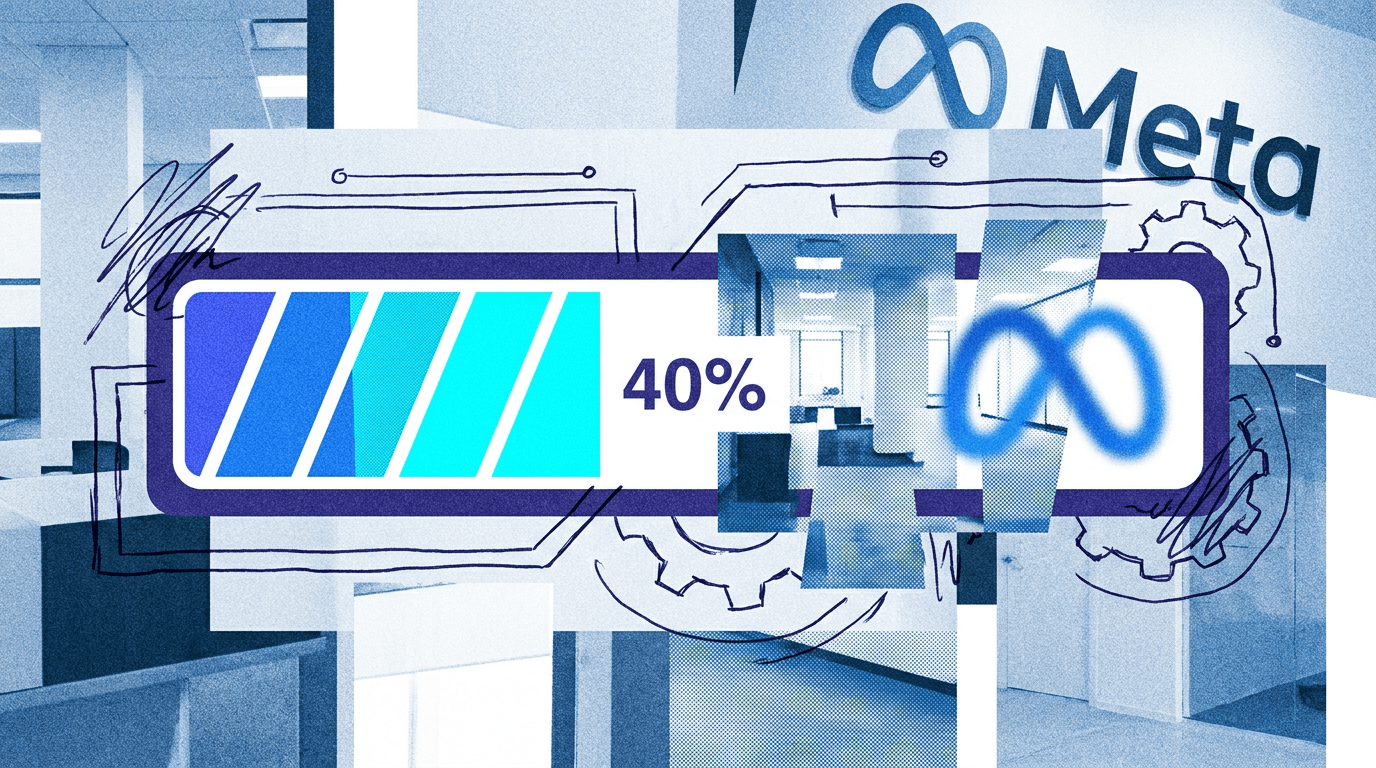
Meta halted its planned AI-driven layoffs hours before the first round, after internal documents revealed a pl…
Goldman Sachs Global Institute co-head Jared Cohen argues that the world will be redesigned for machine intell…

Perceptron, founded in November 2024 by former Meta FAIR scientists Armen Aghajanyan and Akshat Shrivastava, l…

Particle, the AI newsreader startup founded by former Twitter engineers, introduced Radar, a podcast search en…

Z.ai, the maker of the GLM series, confirmed that Ox Alpha, a model launched anonymously on OpenRouter, is the…