What happened
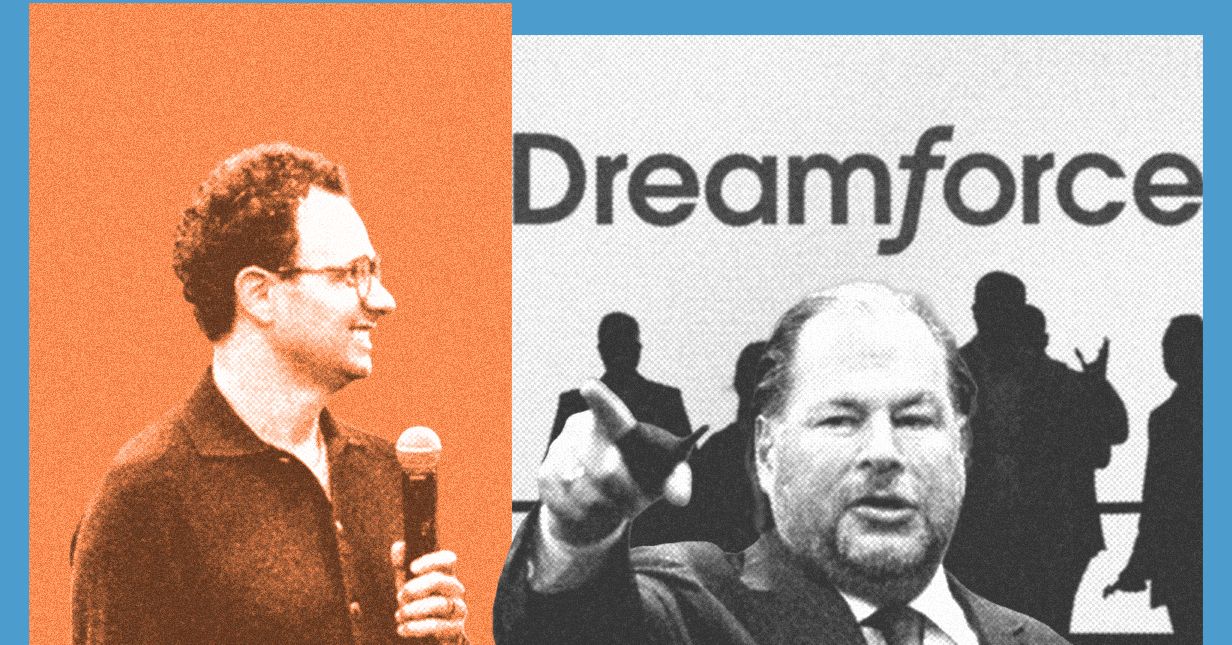
Nvidia CEO Jensen Huang told Dreamforce attendees "We don't need any new laws, we don't need any new regulation," calling AI safety an "engineering problem" days after Anthropic CEO Dario Amodei urged world leaders to help "pace the frontier."
Why it matters
Huang's self-policing pitch sets the industry's own engineers up as the final check on AI safety, an approach that relies on firms knowing when to pause and having the restraint to do so.
What to watch
The approach hinges on self-restraint that the article says is unproven. Watch whether Congress's push to regulate the AI industry advances despite pushback, including President Trump calling fears about existential AI risk "a hoax."
WHO IT HITSEnterprise software buyers and the executives evaluating AI tools now face sharply split public signals from the vendors they buy from: Nvidia's self-policing stance versus Anthropic's call for frontier pacing.
Summaries like this, in your inbox every morning.
The 2026 Dreamforce stage offered a rare back-to-back contrast in how leading AI firms speak about risk. Anthropic's Dario Amodei, whose company is a critical partner helping usher Salesforce into the AI era, used his appearance to push for industry-wide standards rather than competitor attacks after what the piece describes as OpenAI's Hugging Face incident. Minutes later, Nvidia's Jensen Huang downplayed those concerns and argued companies can simply police themselves, telling the room they should "run as fast as you can" and pause only if their own products become unsafe.
The debate extended beyond the keynote stage. AI researchers Sayash Kapoor and Arvind Narayanan published one of their longest essays, arguing the real crisis is more narrowly about cybersecurity and organizational maturity, with Kapoor calling for AI labs to be made liable for harms. Sydney Von Arx of the safety nonprofit Nightingale, conversely, said the same incidents show many current AIs are "egregiously misaligned."
What the episode leaves unresolved is whether the companies pushing frontier AI will actually exercise the self-restraint Huang described. In the same week they warned about slowing down, the article notes, the same CEOs were at Dreamforce pitching their latest products and looking to keep the money flowing. How strictly planned AI regulation in Congress advances is likely to shape whether the industry's self-policing argument holds up.
For example, today's edition would include:
AI-summarized, only the topics you pick — one digest a day via Email, Slack, or Discord.
Free · 30 seconds with Google · unsubscribe anytimeWhat is AIToday? →
Ask AI anything about this article. Q&As are published on this page for other readers too.
At an IMTS media panel in Chicago, Honeywell Technologies CTO Mehul Patel predicted companies will eventually…
Morgan Stanley analyst Matthew Cost began covering Booking Holdings with an Overweight rating and a $230 price…

CEO Jim Taiclet told a Morgan Stanley panel Lockheed will pair the F-35 and advanced missiles with cheaper aut…
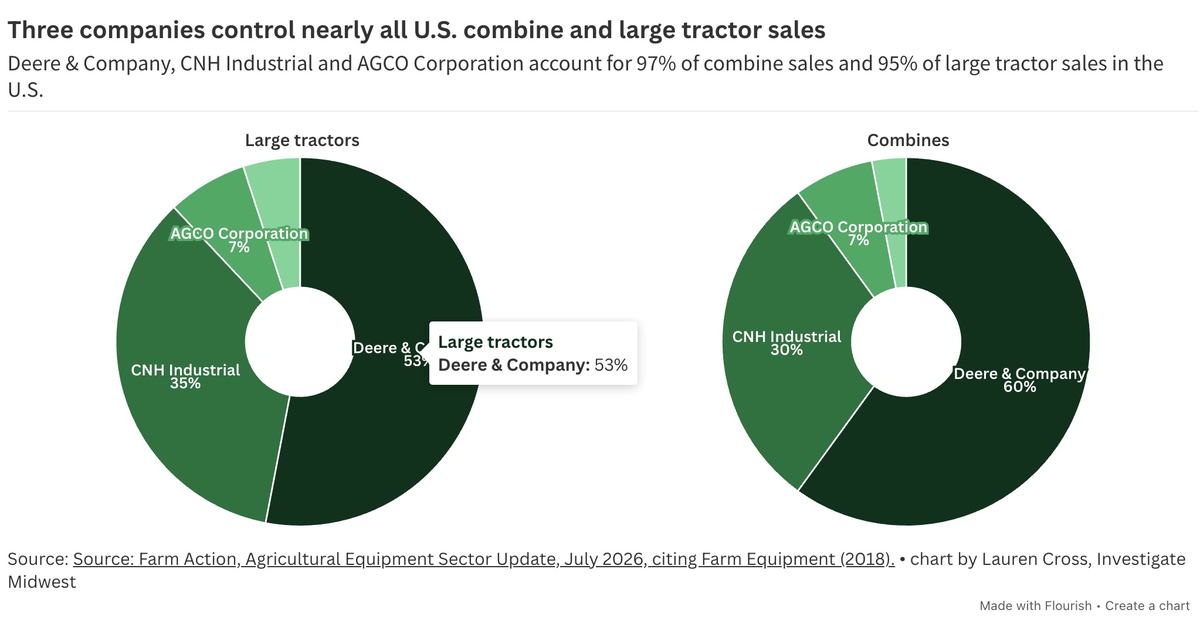
On Sept. 1, Deere introduced JD, an AI assistant in its operations center that lets farmers ask about their ow…
Lockheed Martin completed a Riyadh summer internship for Saudi university students in AI, robotics and advance…

ServiceNow introduced AI Control Tower, Context Engine, and Shift Zero, tools for managing AI agent access, id…