What happened
The analysis judged Micron the better risk-adjusted pick over Sandisk, citing its 7 times forward earnings versus Sandisk's 8.5 times, Cloud Memory revenue of $13.77 billion at an 83% gross margin, and direct HBM exposure.
Why it matters
That lower multiple plus broader DRAM, HBM and NAND coverage is seen as giving Micron more protection if today's memory shortage fades, a common trap when memory profits sit near cyclical peaks.
What to watch
Sandisk could still deliver the larger upside if NAND scarcity lasts, so the call hinges on whether NAND pricing normalizes. Watch Micron's planned fabs arriving in 2027 and 2028, which could add supply.
WHO IT HITSInvestors weighing AI infrastructure stocks — particularly those deciding between Micron and Sandisk — get a risk-adjusted verdict that favors Micron's diversification over Sandisk's concentrated NAND bet. Portfolio managers and analysts tracking hedge fund positioning may also note the Q2 holder increases in both names.
Summaries like this, in your inbox every morning.
Both Micron and Sandisk have ridden the AI infrastructure trade to large rallies, yet neither looks expensive on headline earnings — Micron near 7 times forward earnings and Sandisk around 8.5 times. The article warns this is a familiar trap: memory stocks often look cheapest just as profits approach cyclical peaks, so the comparison tests which name offers better protection if today's shortage eventually fades.
Micron's case rests on breadth. It participates across DRAM, high-bandwidth memory and NAND, with Cloud Memory revenue of $13.77 billion at an 83% gross margin and Core Data Center revenue of $11.52 billion at 87%. It also generated $18.3 billion of adjusted free cash flow and ended the quarter with $30.2 billion of cash, investments and restricted cash. That mix gives it direct HBM exposure to accelerator growth plus conventional DRAM and NAND leverage to rising AI memory content.
Sandisk is a more concentrated NAND and storage bet. Its fiscal fourth-quarter revenue reached $8.97 billion, up 372% year over year, and datacenter revenue surged to $2.98 billion from $213 million, with GAAP gross margin at 84.6%. Long-term agreements cover roughly half of fiscal 2027 output and around two-thirds of fiscal 2028 production, offering some protection if spot pricing weakens. But NAND pricing has historically been brutal, and the stock is up roughly 537% year to date.
The verdict leans toward Micron for risk-adjusted returns, supported by its lower multiple, broader product mix and diversification. That conclusion hinges on whether NAND scarcity persists — if it does, Sandisk's concentrated upside could prove larger, but so could its downside if pricing normalizes. Micron's broader mix does not abolish memory cyclicality, and planned fabs arriving in 2027 and 2028 could shift supply dynamics.
For example, today's edition would include:
AI-summarized, only the topics you pick: one digest a day via Email, LINE, or Slack.
Free · 30 seconds with Google · unsubscribe anytimeWhat is AIToday? →
Ask AI anything about this article. The AI reads this article, earlier AIToday articles, and Wikipedia, and cites its sources. Q&As are published on this page for other readers too.
Adobe announced in September 2026 it is expanding its connector for Google Gemini and its plugin for Claude, s…

At the WTR Insights Conference, CEO Jay Chandan said Gorilla completed the first of four Yotta India phases —…

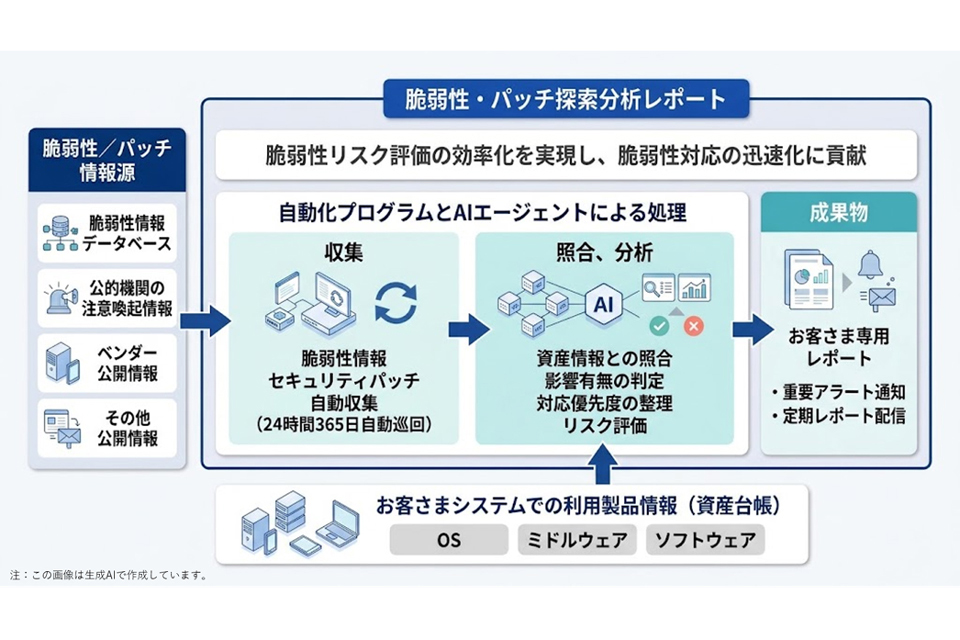
Hitachi began offering its "Vulnerability/Patch Discovery & Analysis Report Service" on September 28, and JPX…
Google Japan said September marks 25 years since its Japanese unit began, and it has opened a special site plu…

TSMC's monthly 2nm capacity could reach about 120,000 wafers by the end of 2026, ahead of earlier expectations…

In a September 2025 paper titled "Why Language Models Hallucinate," OpenAI researchers said low-frequency fact…