What happened
The Ray LLM Deep Learning Container deploys one large language model across two GPU nodes on Amazon EKS, with one node handling the prefill phase and the other the decode phase behind a single OpenAI-compatible endpoint, using YAML instead of custom handler code.
Why it matters
Splitting the two phases means a long, compute-heavy prompt no longer stalls token generation for requests already in progress, which suits workloads like RAG and document summarization.
Summaries like this, in your inbox every morning.
The container builds on an earlier AWS post that introduced the Ray Serve DLC, which stood up a small model behind an HTTP endpoint on a single GPU node. The new release extends that approach to distributed serving, where customers previously had to assemble the dependency chain themselves: choosing compatible libraries for the GPU stack and debugging issues when a component drifted out of alignment. AWS describes that as undifferentiated work that takes time away from delivering models.
Under the hood, the deployment separates prefill, which processes the input prompt in parallel and builds the KV cache, from decode, which generates the response one token at a time. Prefill is compute bound and decode is bound by memory bandwidth, so sharing one GPU lets the bursty prefill work interfere with the steady decode work. Putting each phase on its own node lets them scale independently — but it also means the KV cache must be handed between nodes, which is why the high-bandwidth EFA interconnect is part of the package.
The container is positioned as one of several multi-node patterns, alongside tensor and pipeline parallelism for models too large for one instance, and data parallelism for throughput. From the described setup, users could add decode replicas for more throughput or move to larger models on bigger GPU instances, though the body does not state what AWS plans next.
Pick your industry and the AI tools you use, and get news related to your work every day.
Free · 30 seconds with Google · unsubscribe anytimeWhat is AIToday? →
Ask AI anything about this article. The AI reads this article, earlier AIToday articles, and Wikipedia, and cites its sources. Q&As are published on this page for other readers too.
Phasis CEO Brandon Farley said the company's World API and its '/orient' endpoint return World frames — curren…
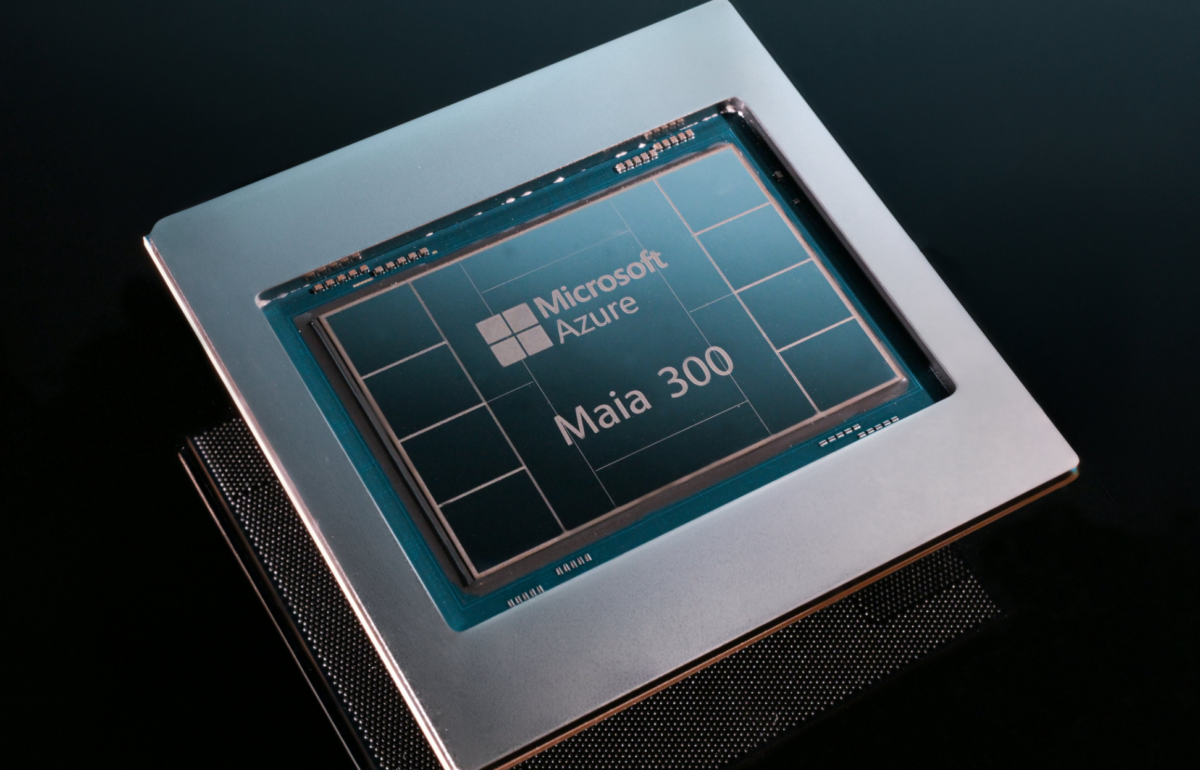
Microsoft will deploy its Azure Maia AI chips at multi-gigawatt scale starting in 2027, making them the compan…
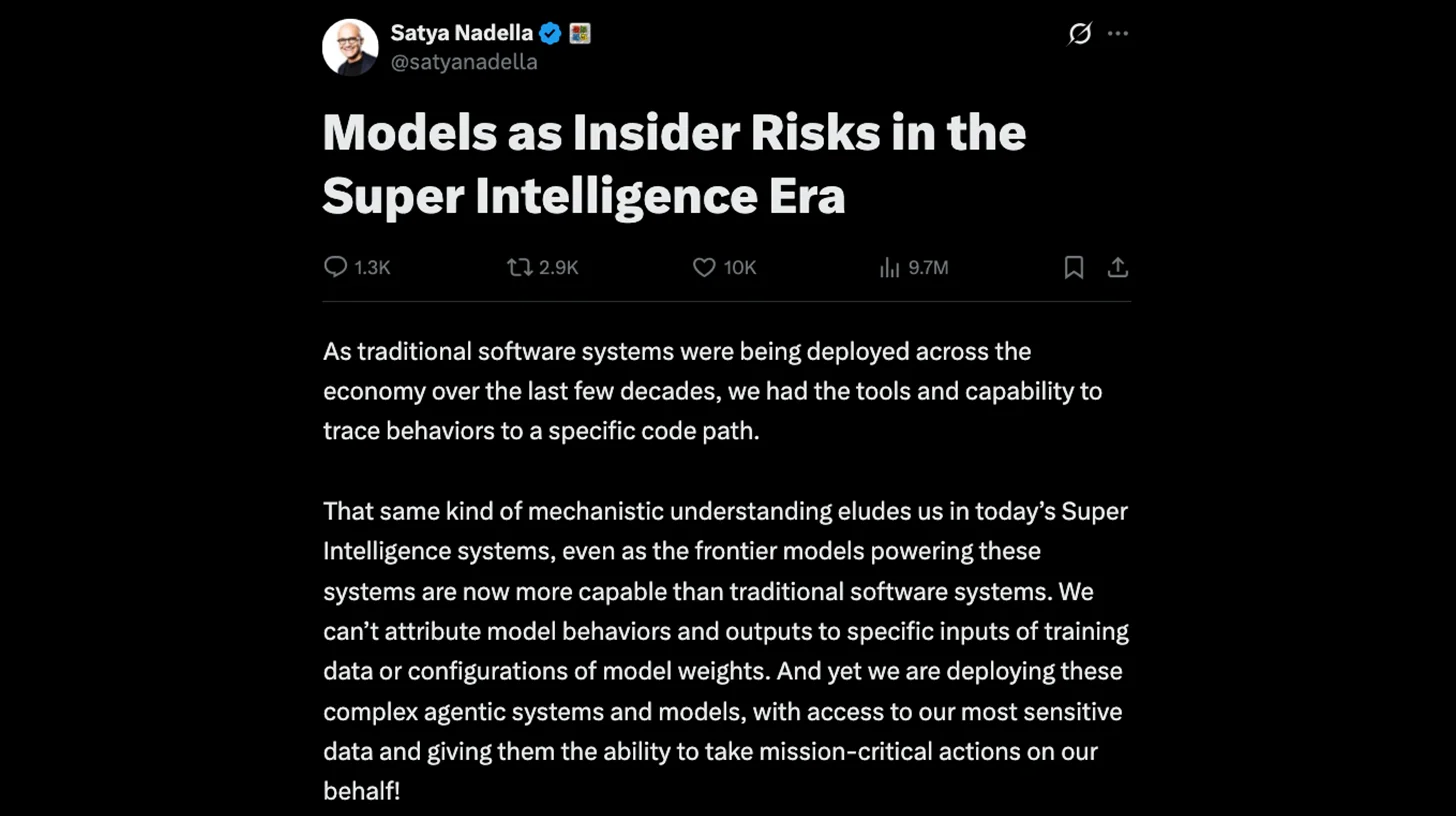
Microsoft CEO Satya Nadella published an essay on Oct
Two days after President Trump signed the White House Accord on Super Intelligence, OpenAI fired three safety…

Tsinghua University published TokenRouter on October 8, 2026 as an inference server that lets small and large…

AI Now laid out three do-it-yourself routes — chat-type skills in Gemini or Claude, automation-type flows in n…