What happened
NVIDIA teams use ChatGPT Work to reduce manual tasks. Will Daney automated a GTC planning workflow that runs twice a week and saves about 16 hours per week over the 12-week cycle. Rachita Jain built a workflow that distills 25–40 external AI updates into 5–8 actionable signals each week.
Why it matters
The workflows cut time spent on information assembly, freeing staff to focus on customers and internal priorities. Will estimates manual analysis previously consumed about 40% of his time during GTC lead-up. Rachita moved from idea to prototype in 3–5 days versus an estimated 2–3 weeks with manual components.
What to watch
The next opportunity is scaling these workflows across NVIDIA's functions, events, and regions. Success hinges on whether teams can adapt proven processes while keeping the people closest to the work in control—and whether the time savings hold as the AI landscape changes.
Summaries like this, in your inbox every morning.
NVIDIA's adoption of ChatGPT Work reflects a shift from using AI for individual tasks to embedding it in repeatable workflows. Will Daney's GTC preparation process—once dominated by spreadsheet analysis—now runs automatically twice a week, and the time savings are substantial: about 16 hours per week over a 12-week cycle. This is not a one-off automation; the workflow is owned and adapted by the user, and it has been shared across regions, showing how a single team's innovation can spread organizationally.
Rachita Jain's example addresses a different problem: information overload in a fast-moving field. Her workflow filters daily external AI news against NVIDIA's internal priorities, turning passive reading into what she calls 'active intelligence.' The 3–5 day prototype development—versus an estimated 2–3 weeks manually—suggests that ChatGPT Work can compress the time from idea to working product, which may encourage more experimentation among employees who otherwise might not start side projects.
The stated next step is to scale these successes, turning specialized knowledge into reusable workflows across functions and regions. The key question is whether the model—where employees own and adapt their own automations—can scale without losing its flexibility. If it can, NVIDIA could see broader gains in how quickly it connects external AI developments to internal priorities, but the outcome may depend on how well teams adopt and customize the shared workflows.
Pick your industry and the AI tools you use, and get news related to your work every day.
Free · 30 seconds with Google · unsubscribe anytimeWhat is AIToday? →
Ask AI anything about this article. The AI reads this article, earlier AIToday articles, and Wikipedia, and cites its sources. Q&As are published on this page for other readers too.
ASE reported September revenue of NT$88.13 billion (US$2.7 billion), up 7.15% month-over-month and 45.52% year…
Meta launched two new models, Muse Wonder and Muse Wonder Full, which Zuckerberg said match the latest from Op…
The Trump administration's Super Intelligence Task Force ordered AI companies to report and immediately remedi…

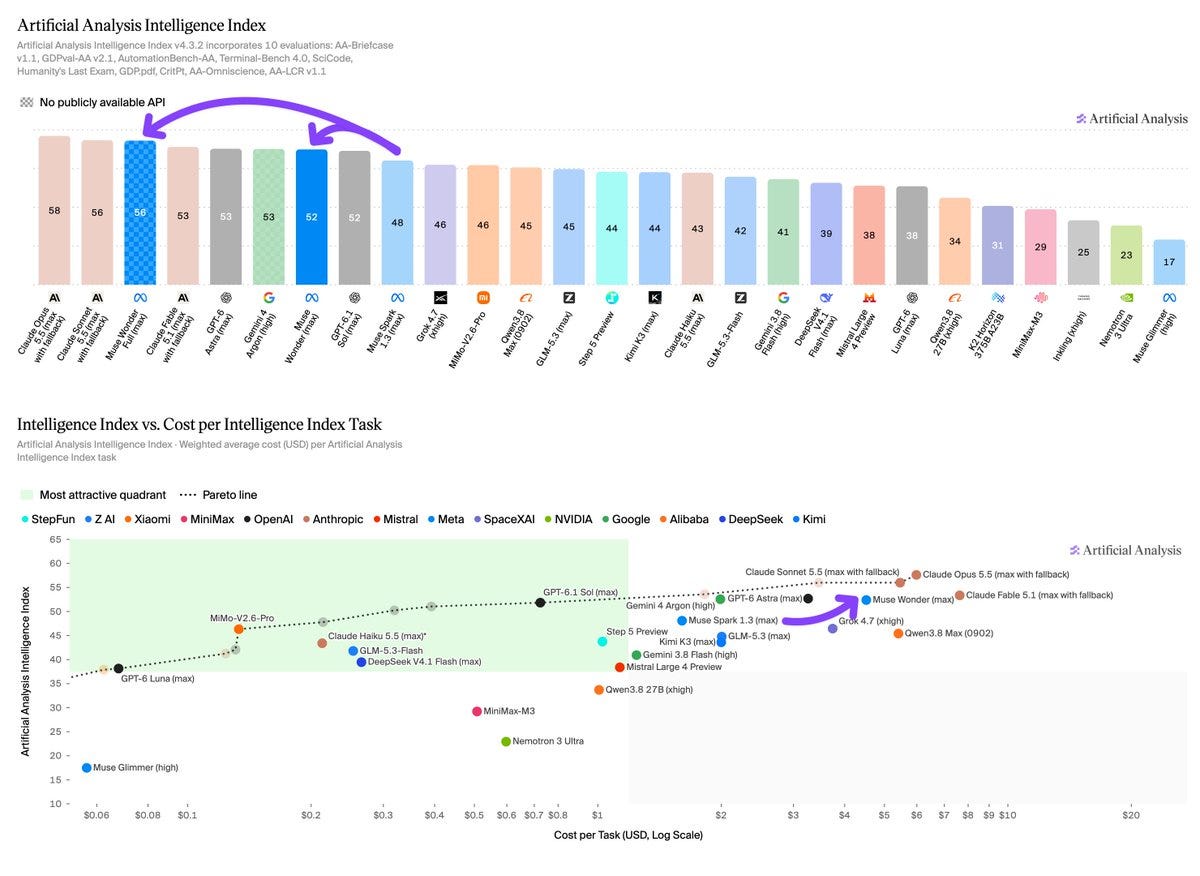
Meta Superintelligence Labs shipped Muse Wonder and Muse Wonder Full, scoring 52 and 56 on Artificial Analysis…
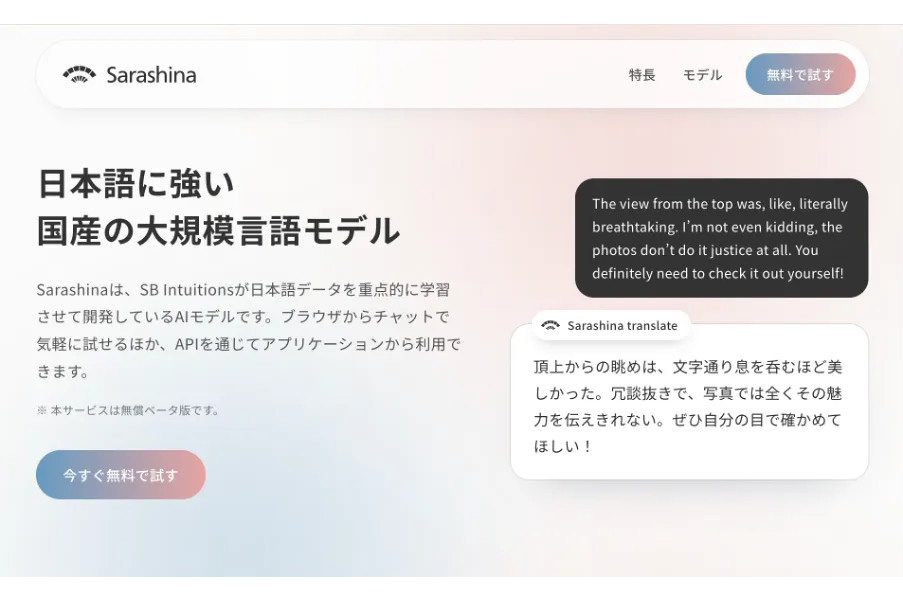
SB Intuitions started free beta service on October 13 for its Sarashinaサービス, opening API access to six Sarashi…
A Japanese explainer published for business readers describes ローカル推論 — running an AI model on a local PC or sm…