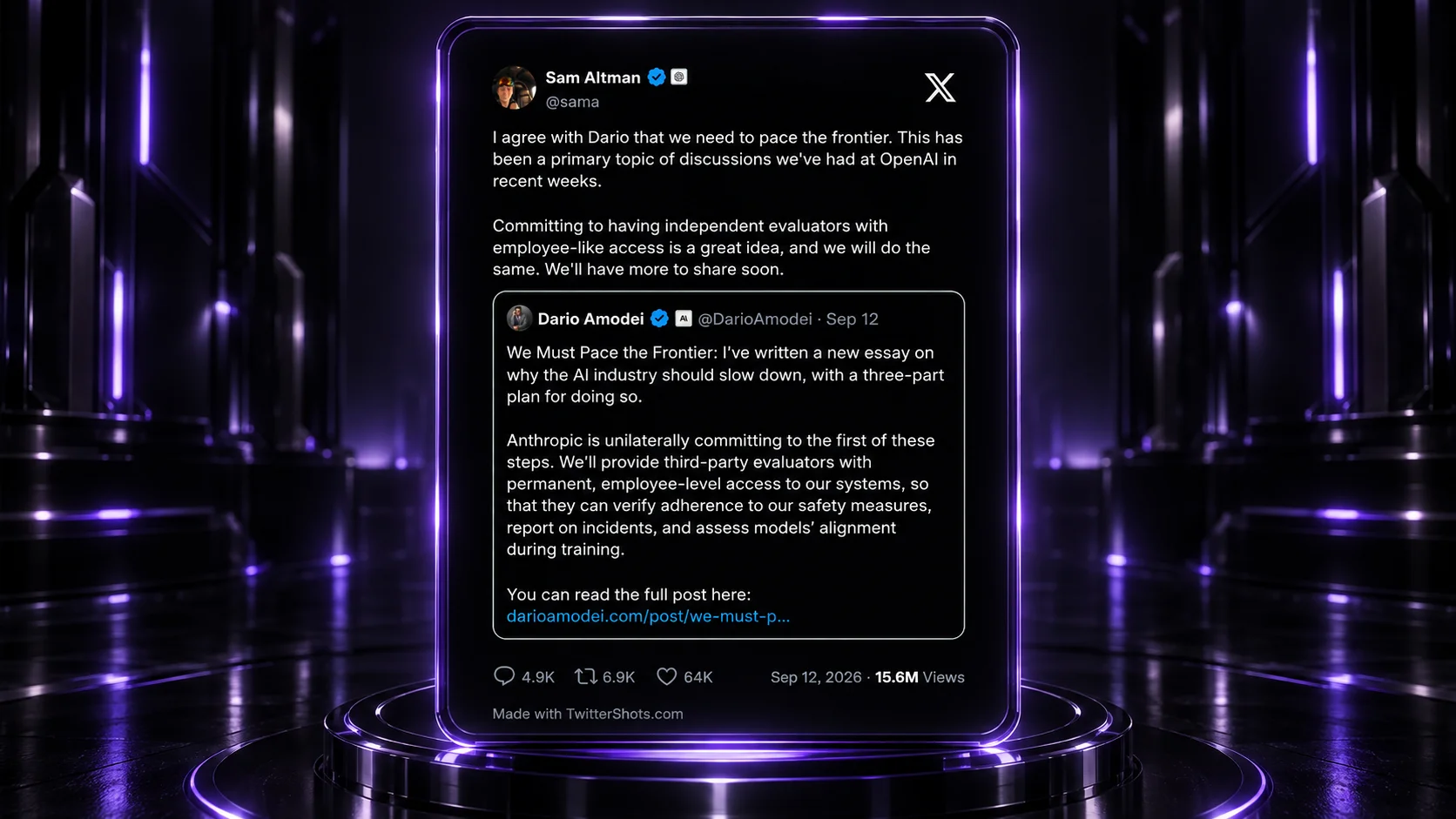
What happened
After Anthropic CEO Dario Amodei called for a development slowdown and OpenAI's Sam Altman backed him, Nvidia fell more than 3% while Intel, AMD and Marvell dropped 5% to 6%.
Why it matters
Investors now treat hyperscalers differently from chipmakers. D.A. Davidson's Gil Luria says Alphabet, Microsoft and Meta could stop adding capacity and still grow cash flow, unlike Nvidia, which depends on their spending.
What to watch
Luria is skeptical any real slowdown is happening, saying no lab has announced a training moratorium. Watch whether that changes, and Z.AI's $5 billion raise as China keeps spending.
WHO IT HITSChipmakers like Nvidia, Intel, AMD and Marvell, along with data-center builders such as CoreWeave, face revenue risk if hyperscalers cut spending. Cloud and platform companies like Alphabet, Microsoft and Meta may benefit from lower capital expenditures.
Ask the AI about this article →
Summaries like this, in your inbox every morning.
The debate over AI's existential risks moved from conference panels to trading desks on Monday. After Anthropic CEO Dario Amodei called for stronger safety measures and even a slowdown in model development, and OpenAI CEO Sam Altman and other leaders backed him, investors began pricing in a scenario that had until then quietly sat in risk models: what if the frontier AI race actually slows?
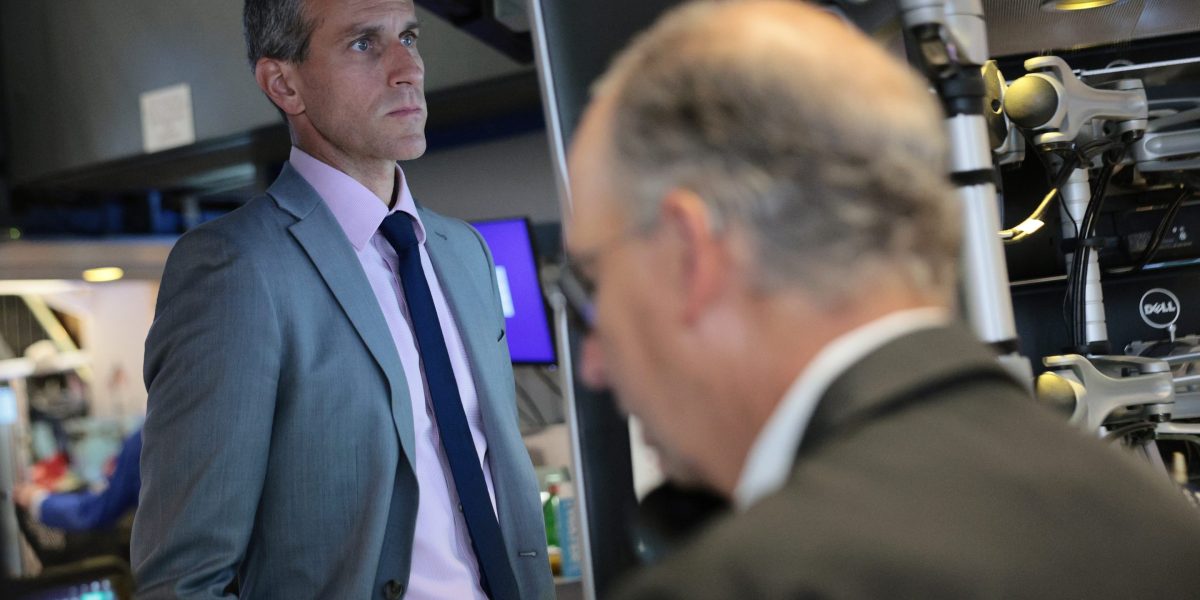
The market's answer was a sharp split. Chipmakers and data-center builders, the picks and shovels of the AI boom, sold off hard. Nvidia fell more than 3%, Intel, AMD and Marvell dropped 5% to 6%, and the Philadelphia Semiconductor Index lost almost 6%. Meanwhile, the hyperscalers doing the spending, Alphabet, Microsoft and Meta, rose. Gil Luria of D.A. Davidson explained the logic: if progress slows, these companies can stop adding capacity and harvest returns from what they already built, sending cash flow higher, similar to Amazon's post-pandemic warehouse pullback. Not everyone agrees. Analyst Dan Ives argued software companies and model developers could use extra time to catch up, and noted China is not slowing, with Z.AI raising another $5 billion over the weekend. Luria himself doubts the slowdown is real, since no lab has announced a moratorium. The outcome hinges on whether any lab actually commits to slowing, and for now, the market is treating the possibility as real enough to trade on.
For example, today's edition would include:
AI-summarized, only the topics you pick — one digest a day via Email, Slack, or Discord.
Free · 30 seconds with Google · unsubscribe anytimeWhat is AIToday? →
Ask AI anything about this article. Q&As are published on this page for other readers too.
IREN fell almost 5% in premarket trade Monday even as CEO Daniel Roberts said AI processing demand still far o…

The UAE is considering moving parts of two of its largest infrastructure projects underground to guard against…

Nvidia's Jensen Huang published "Land, Power, Shell: The Next Strategic Resource" on August 17, naming ready-t…
Anthropic told investors it will post a second straight profitable quarter and plans a Nasdaq listing at a pos…

Microsoft AI published a code of conduct for its MAI models, saying it will give up generality, autonomy, or p…
Anthropic CEO Dario Amodei urged AI labs to slow capability gains so safety can catch up, warning of a scenari…