What happened
Terra Drone, a Tokyo-based company, plans to set up a system for domestic production of up to tens of thousands of interceptor drones a year, CEO Toru Tokushige said. In March, the company announced full-scale entry into the defense drone market and acquired two Ukrainian firms that develop interceptor drones.
Why it matters
Japan currently sources both drones and their components from overseas, leaving "supply continuity in the event of contingencies" unaddressed. Recent conflicts in Ukraine and the Middle East have shown that cheap drones can neutralize expensive weapons and attack strategic targets, shifting military strategy. Rising tensions over Taiwan have underscored the need for Japan to build independent defense capabilities.
What to watch
Terra Drone is also promoting development and production of drone components at home to eliminate import reliance, and plans to locate production in facilities less susceptible to attack, reflecting awareness of potential conflict scenarios.
Summaries like this, in your inbox every morning.
Terra Drone's move reflects a fundamental shift in how nations view drone warfare, prompted by recent global conflicts. In Russia's invasion of Ukraine and the Middle East conflict, inexpensive drones have proven capable of disabling far more costly military assets and striking strategically important targets, upending traditional defense economics. This has made domestic drone production a geopolitical priority for Japan, which faces heightened security concerns—particularly rising tensions over Taiwan—that make reliance on overseas supply chains untenable.
The company's strategy goes beyond simply ramping up production volume. By acquiring Ukrainian interceptor-drone developers, Terra Drone gains technical capability while supporting an allied nation. Equally significant is the emphasis on building a resilient supply chain: developing and manufacturing components domestically, and locating production facilities in locations chosen with potential conflict in mind. This reflects a conscious effort to architect a defense-industrial base that can sustain output even under attack. For Japan, a nation that has historically depended on imports for critical defense hardware, this represents a strategic reorientation toward self-sufficiency in an emerging weapons category.
Pick your industry and the AI tools you use, and get news related to your work every day.
Free · 30 seconds with Google · unsubscribe anytimeWhat is AIToday? →
Ask AI anything about this article. The AI reads this article, earlier AIToday articles, and Wikipedia, and cites its sources. Q&As are published on this page for other readers too.
AIBotics completed its acquisition of NovaCore Labs' operating assets from PlayJamaica Limited, gaining 10 ser…

In an internal test, Google DeepMind robotics researchers instructed Gemini 4 Argon to watch a video of a huma…
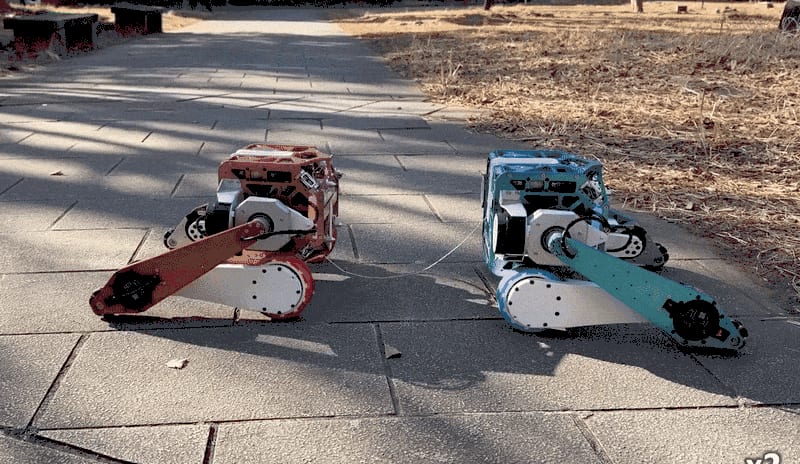
Amulya Vishwanath, who spent seven years leading product marketing for Nvidia's robotics platforms, says robot…

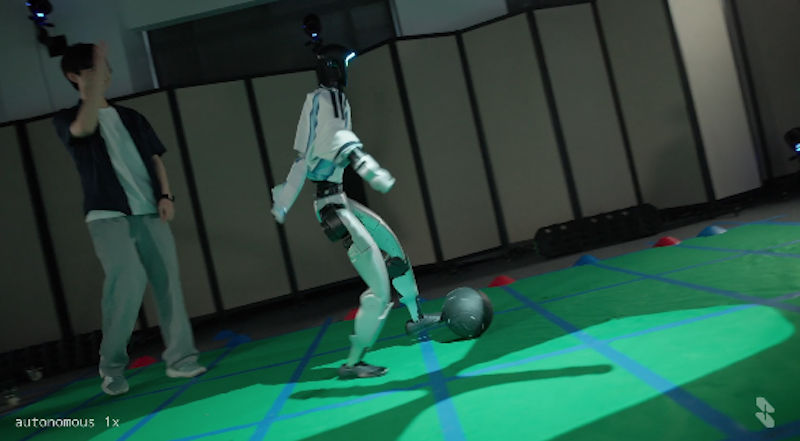
Skild AI used Nvidia Isaac Sim to give its S1 model one objective — score a goal — and let it compete against…
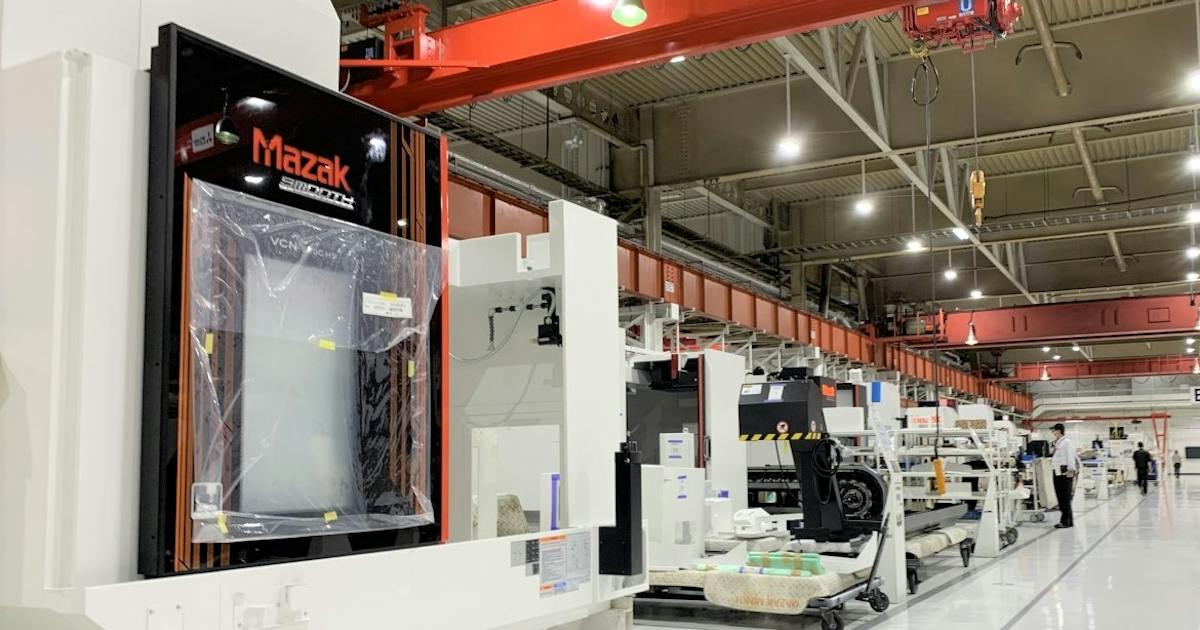
Yamazaki Mazak and ABEJA said on the 16th they will start joint development of physical AI, using ABEJA's ABEJ…
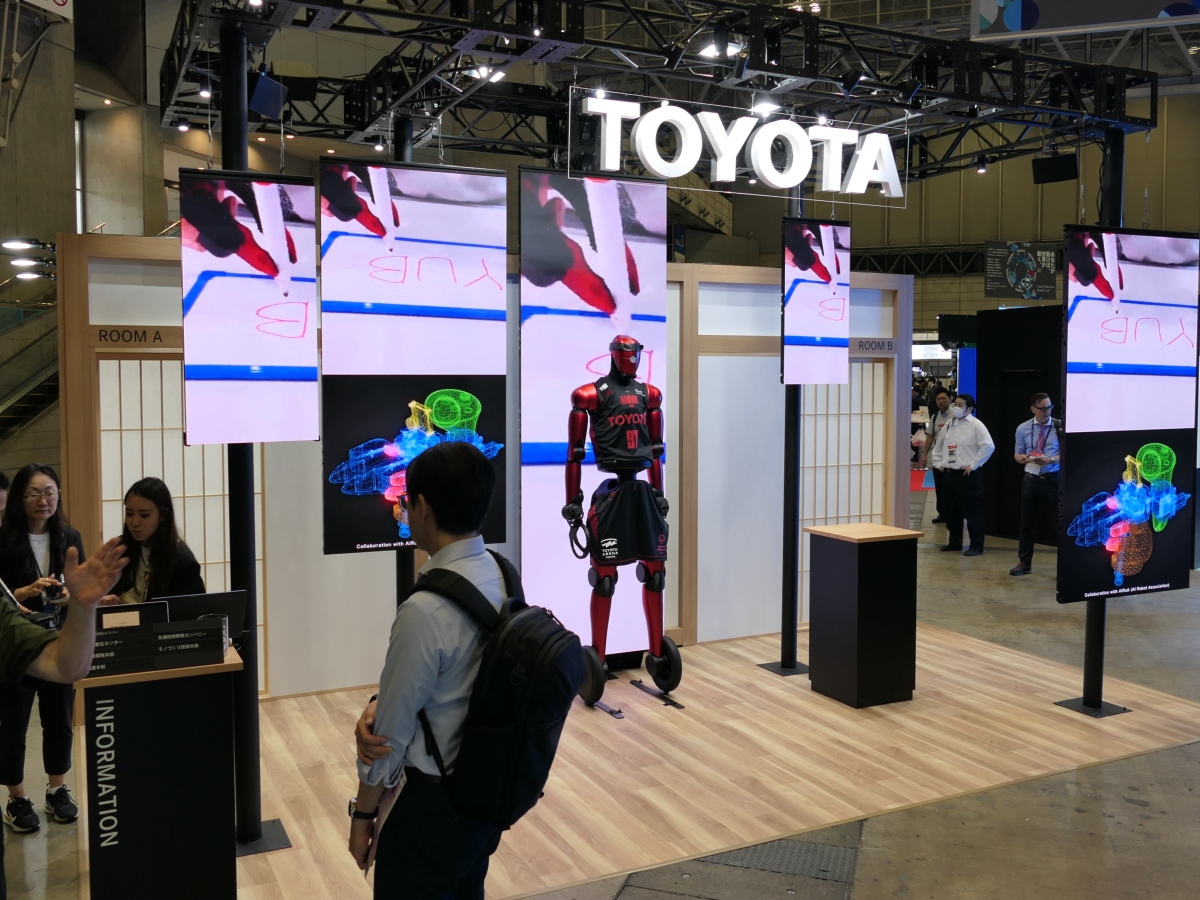
Toyota Motor's Japan Mobility Show Bizweek 2026 booth centers on its AI basketball robot CUE7, has no other ex…