What happened
JX Metals said group company Tatsuta Electric will invest in equipment at its Kyoto Plant in Fukuchiyama, Kyoto, to expand production capacity for leak-detection systems used in AI data centers, raising it to about 2.5 times the end-2026 level by September 2027.
Why it matters
The company had already announced a capacity increase in August 2026, but says demand is running above expectations, so it is adding more capacity to strengthen stable supply and is considering further investment.
What to watch
Capacity is scheduled to reach about 2.5 times the end-2026 level by September 2027, with equipment added in stages.
WHO IT HITSThis lands on operators building AI data centers and the suppliers serving them, since water-cooling equipment raises leak risk inside facilities and drives demand for early-detection systems. Component and materials suppliers to data-center construction appear likely to see related orders.
Summaries like this, in your inbox every morning.
Tatsuta Electric Wire's sensor business draws on materials, design and manufacturing know-how built up over years in wires and cables. The company runs sales and research and development for leak-detection systems at its Tatsuta Technical Center in Kizugawa, Kyoto, while manufacturing takes place at the Kyoto Plant.
The backdrop is the worldwide build-out of AI data centers. Servers carrying large numbers of high-performance GPUs generate more heat, and conventional air cooling alone increasingly struggles to cool them, so water-based cooling for data-center buildings and servers is spreading. That makes leak countermeasures inside facilities more important, and demand for early leak detection is rising sharply.
JX Metals presents leak-detection systems as one of the advanced materials it supplies for AI data-center development, alongside its mainstay semiconductor sputtering targets and indium phosphide substrates. The group says it will keep investing as market and customer needs change.
Pick your industry and the AI tools you use, and get news related to your work every day.
Free · 30 seconds with Google · unsubscribe anytimeWhat is AIToday? →
Ask AI anything about this article. The AI reads this article, earlier AIToday articles, and Wikipedia, and cites its sources. Q&As are published on this page for other readers too.
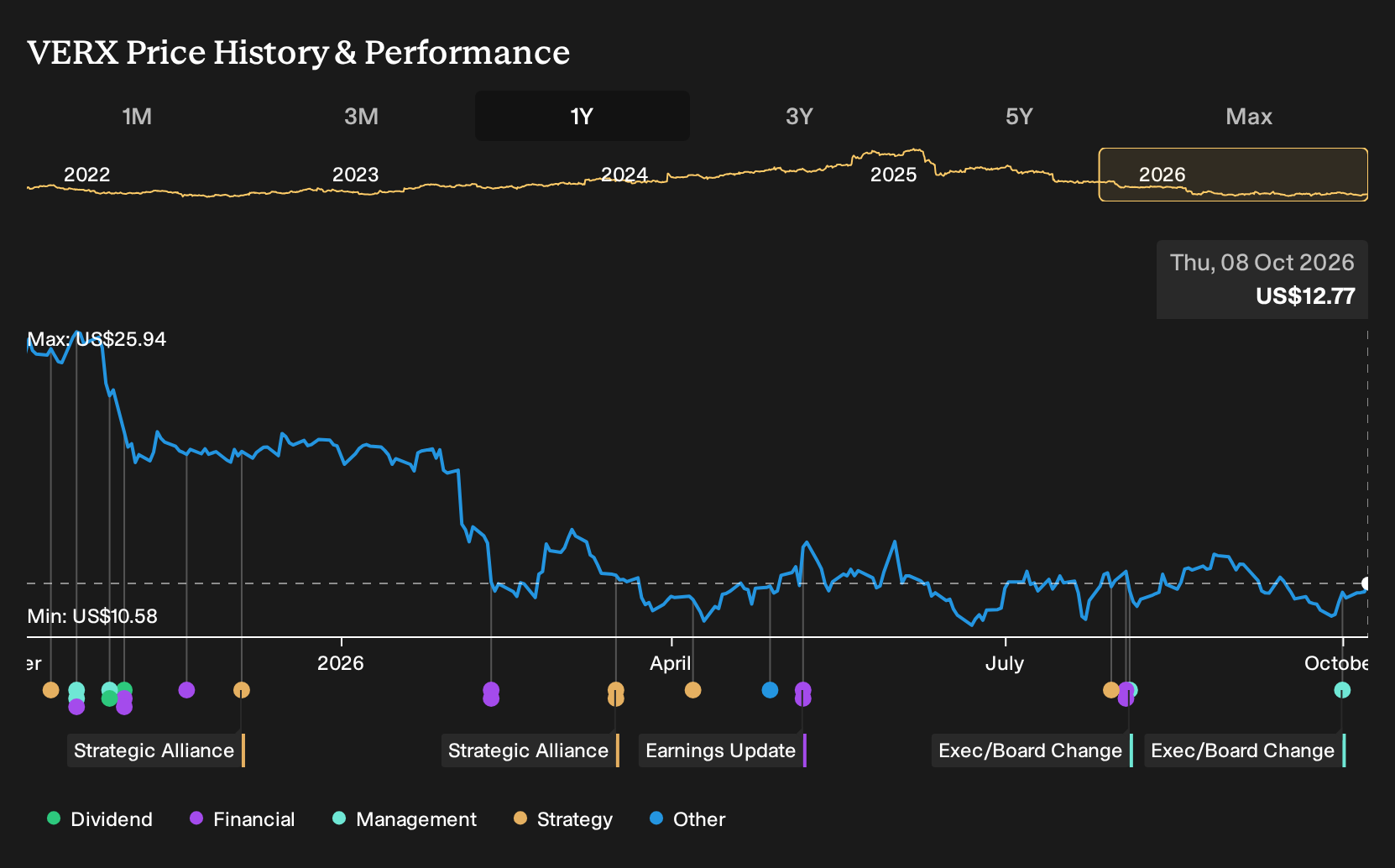
Vertex, Inc. named Debanjan Saha, DataRobot CEO and former Google Cloud and AWS executive, to its board effect…
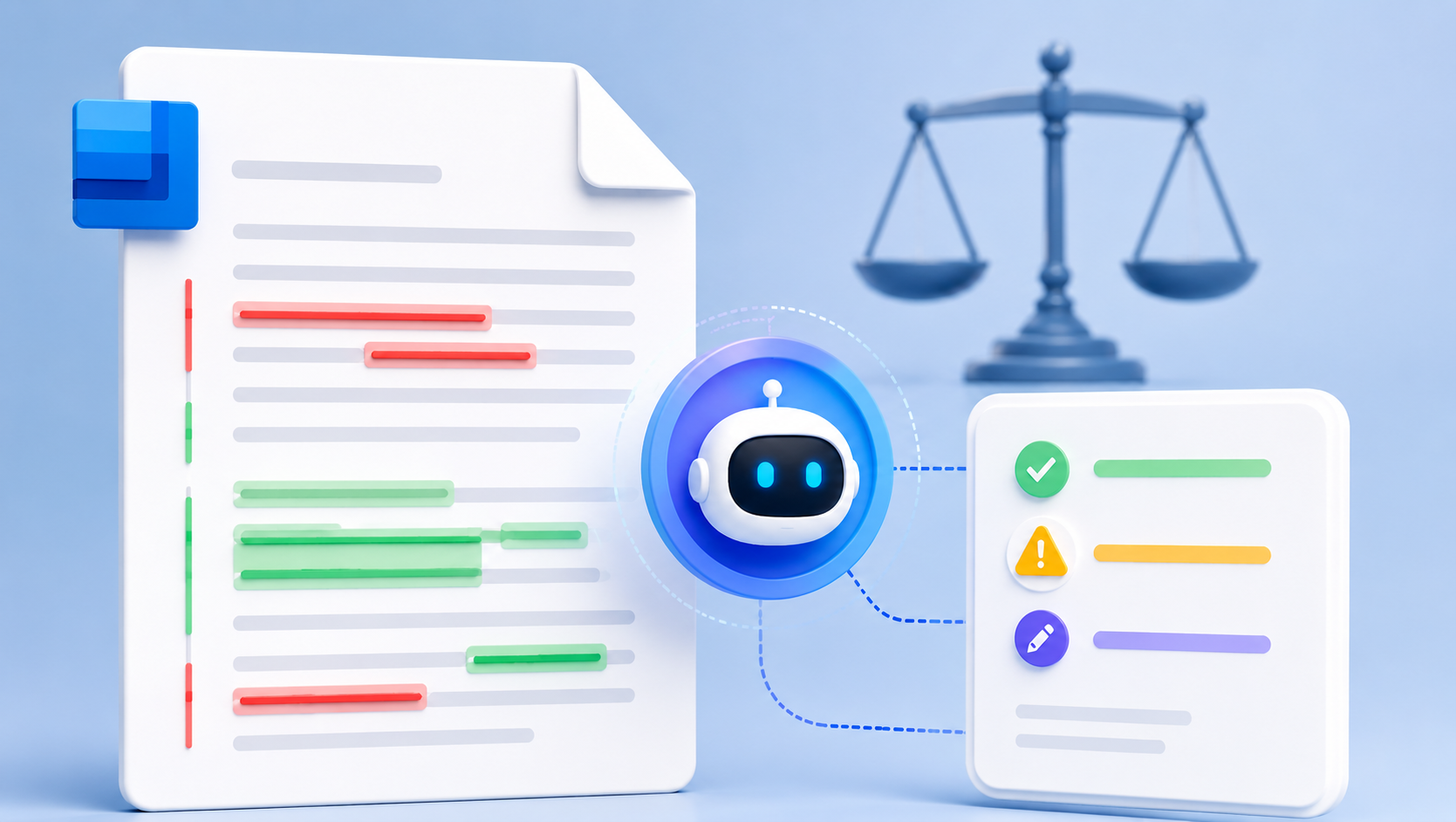
Uber says its Legal Redlining Agent, built from early 2024 through 2025 and piloted with Uber Legal in 2025, d…
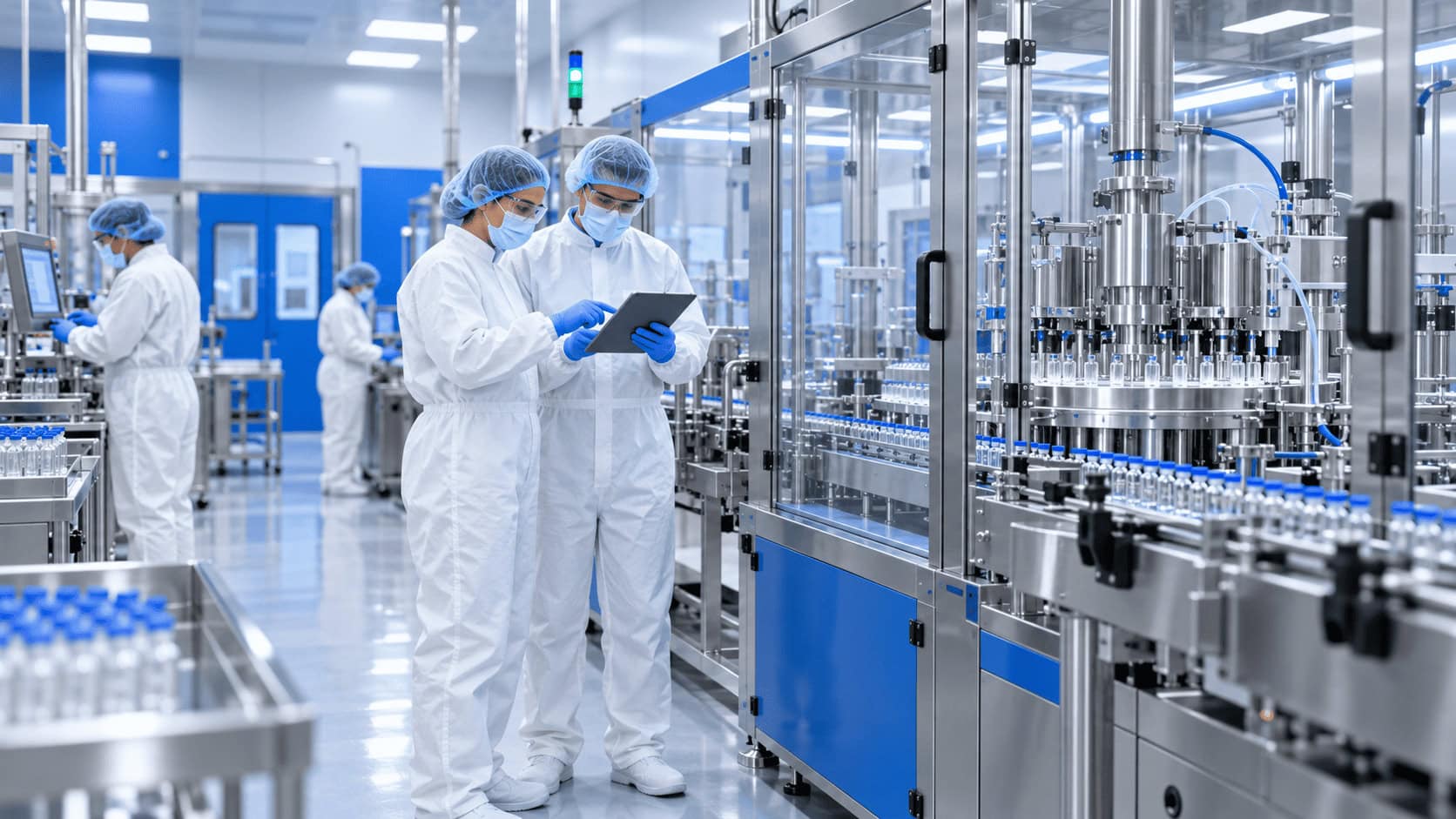
Albert Bourla told The Wall Street Journal's CEO Brief that Pfizer moved AI decisions from a central expert te…
Verizon's latest data breach report found the "human element" was involved in about 60% of data breaches, and…
Western Digital's fiscal 2026 revenue rose 35.7% to $12.92B, as management says roughly 80% of hyperscale data…

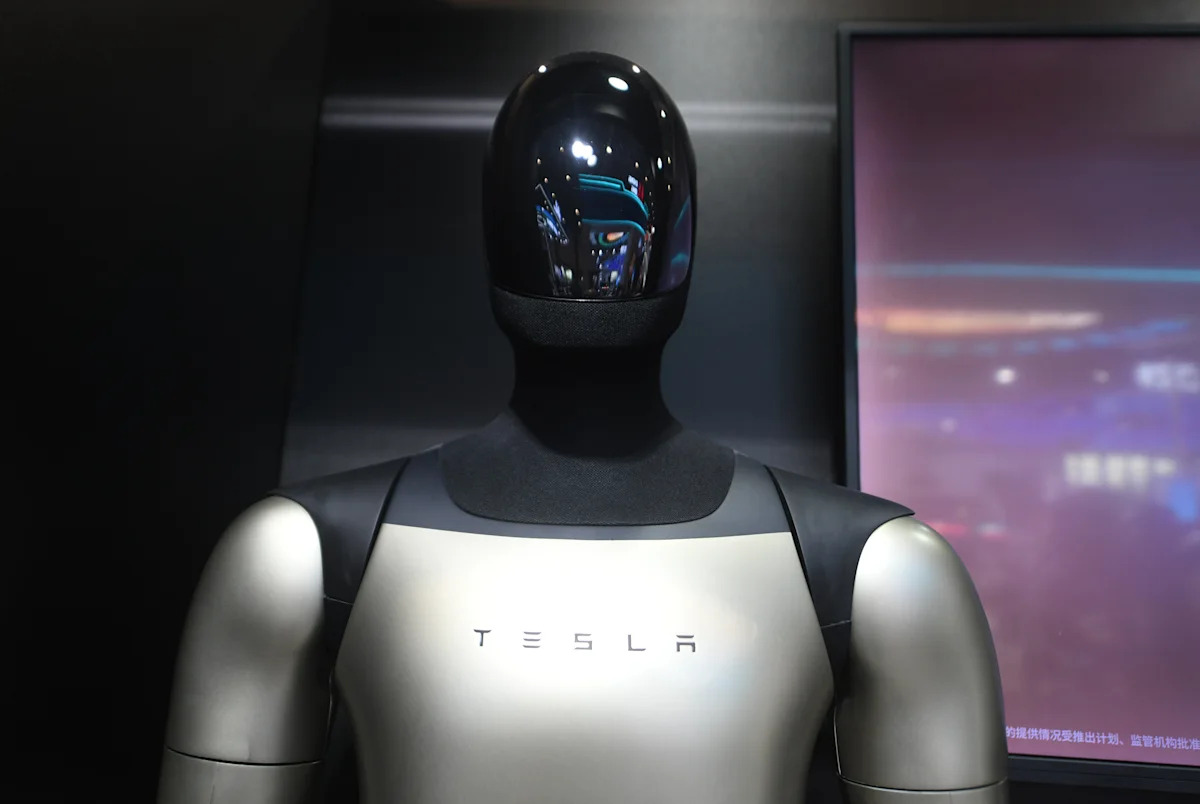
Yorkville analyst Dan Ives reiterated an Outperform rating and $500 price target on Tesla, saying FSD, robotax…