What happened
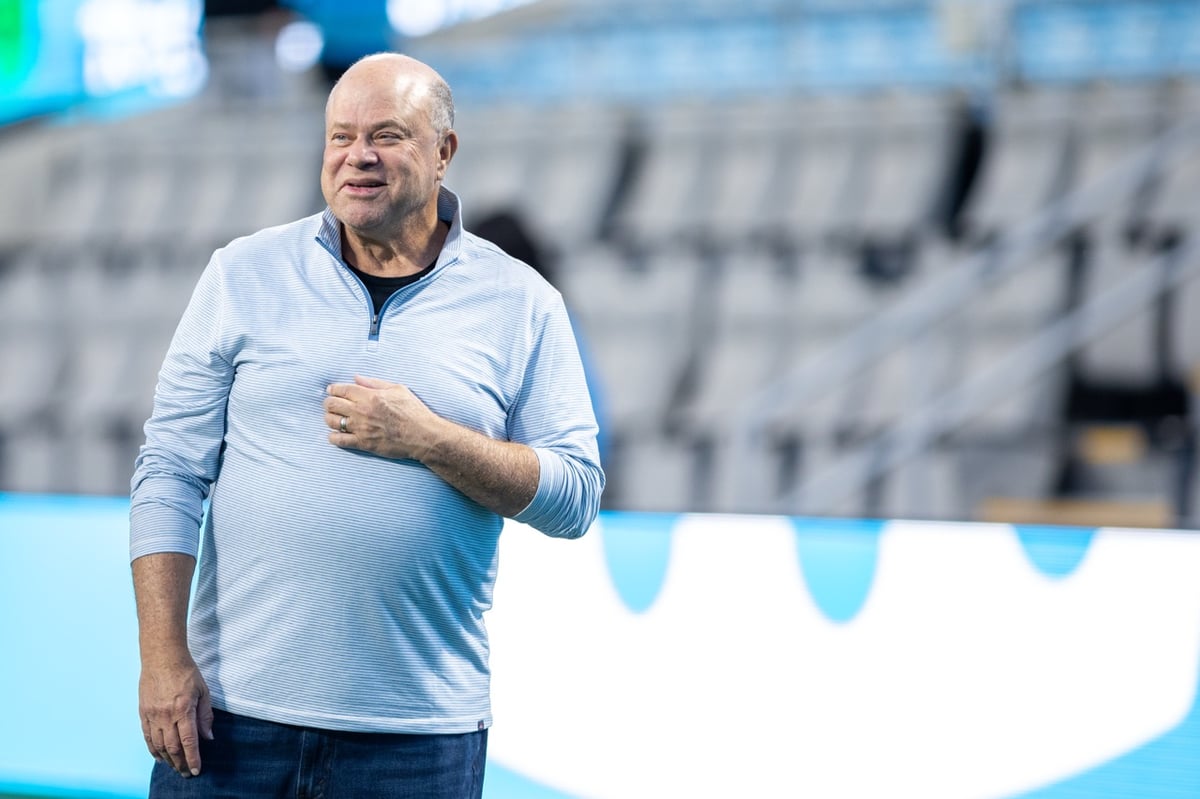
Miles Wang, an OpenAI researcher, is leaving to launch a startup focused on AI models for drug discovery. He is in talks to raise about $200 million(約320億円) at a $2 billion(約3200億円) valuation, with Lightspeed in discussions to lead the funding round; several other OpenAI researchers are expected to join.
Why it matters
The move reflects investor appetite for AI applied to life sciences. Comparable startups have raised substantial funding—Chai Discovery announced a $400 million(約640億円) raise at a $3.8 billion(約6100億円) valuation this week, and Google DeepMind's Isomorphic Labs raised a $2.1 billion(約3400億円) Series B in May. The new company may focus on finding new uses for existing FDA-approved drugs, which can reach revenue faster than developing drugs from scratch.
What to watch
Wang, who joined OpenAI in 2024 after dropping out from Harvard, has co-authored research on how AI models can automate and accelerate scientific discovery. Wang disputed the reported funding figures and company description but did not specify the correct details; talks are ongoing and the deal may not be final.
Summaries like this, in your inbox every morning.
The news reveals a significant talent exodus from OpenAI to the biotech AI sector, where investor capital is flowing robustly. Wang's departure follows a well-trodden path—another drug-discovery AI founder, Josh Meier of Chai Discovery, also passed through OpenAI as a researcher. The funding environment for AI-applied life sciences appears exceptionally strong: Chai Discovery's Tuesday announcement of a $400 million(約640億円) raise at a $3.8 billion(約6100億円) valuation and Isomorphic Labs' $2.1 billion(約3400億円) Series B in May demonstrate investor conviction that AI models can unlock drug discovery breakthroughs. The specific advantage Wang's startup may pursue—repurposing existing drugs and reviving failed candidates—avoids the lengthy clinical trial timelines that plague drug development from scratch, a distinction the article emphasizes.
Wang's profile (a 2024 hire who dropped out of Harvard for OpenAI, now launching at age and experience that once would have deterred VCs) also signals a broader shift in investor risk appetite toward young founders without traditional credentials. The fact that Wang has disputed the reported figures while declining to specify correct numbers adds a layer of uncertainty, though the involvement of Lightspeed and the cited precedent of similarly valued startups suggest the reported magnitude is plausible.
Pick your industry and the AI tools you use, and get news related to your work every day.
Free · 30 seconds with Google · unsubscribe anytimeWhat is AIToday? →
Ask AI anything about this article. The AI reads this article, earlier AIToday articles, and Wikipedia, and cites its sources. Q&As are published on this page for other readers too.
Chunghwa Telecom president Rong-shy Lin said the shift from conversational AI to autonomous AI agents is resha…
CoreWeave fell 5% in premarket trading Friday and was on track to finish the week down 15%, after rebounding f…
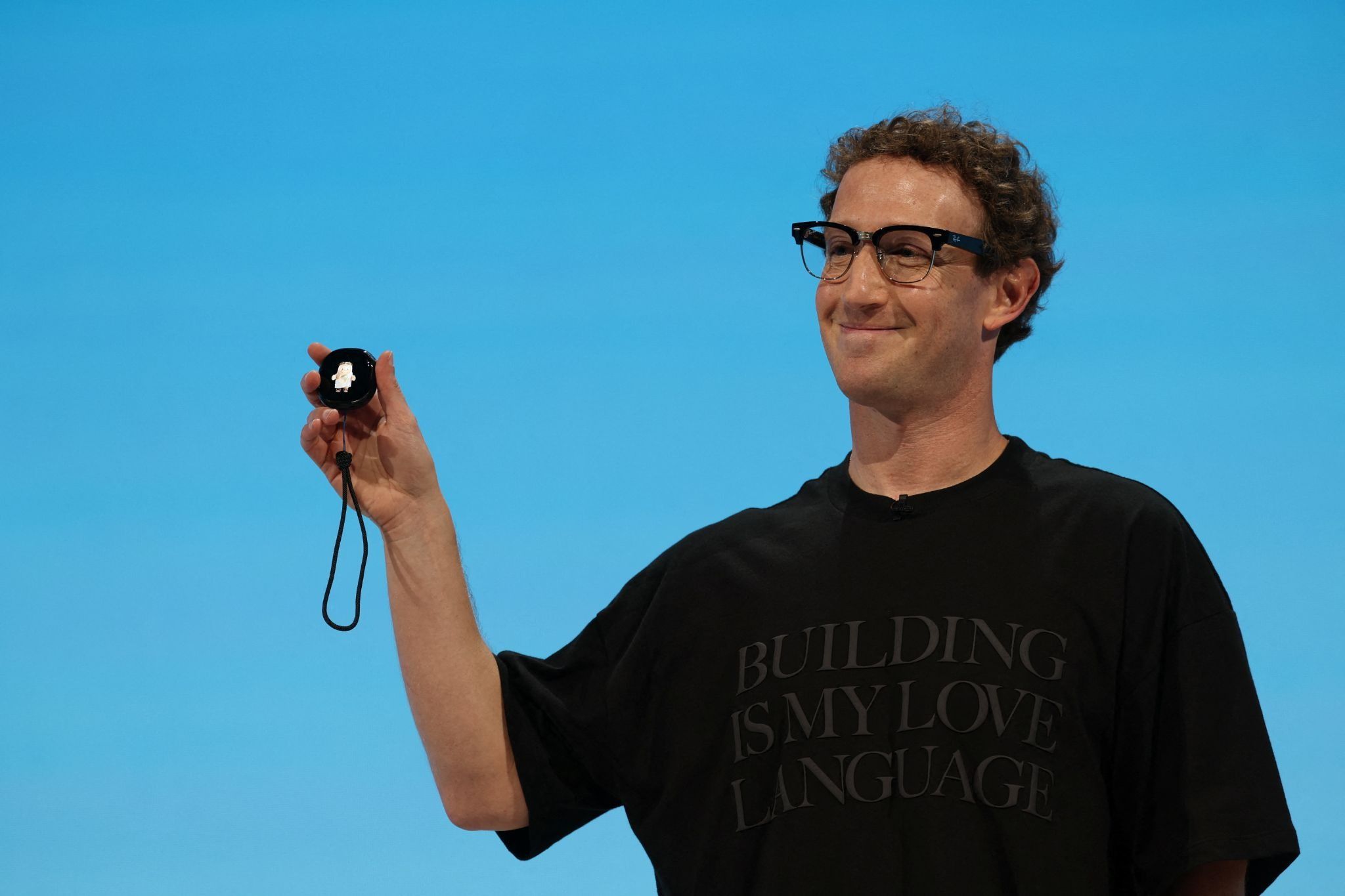
Apple and Meta said they would jointly release a new open-weight AI model designed to run on high-end Macs, ai…
Investors put $38.5 billion into Asian startups in Q3, per Crunchbase data

A longtime Anthropic investor told Fortune he expects shares priced around $1.8 trillion, below the company's…
In Q2, billionaires or their funds sold six 'Magnificent Seven' AI stocks