What happened
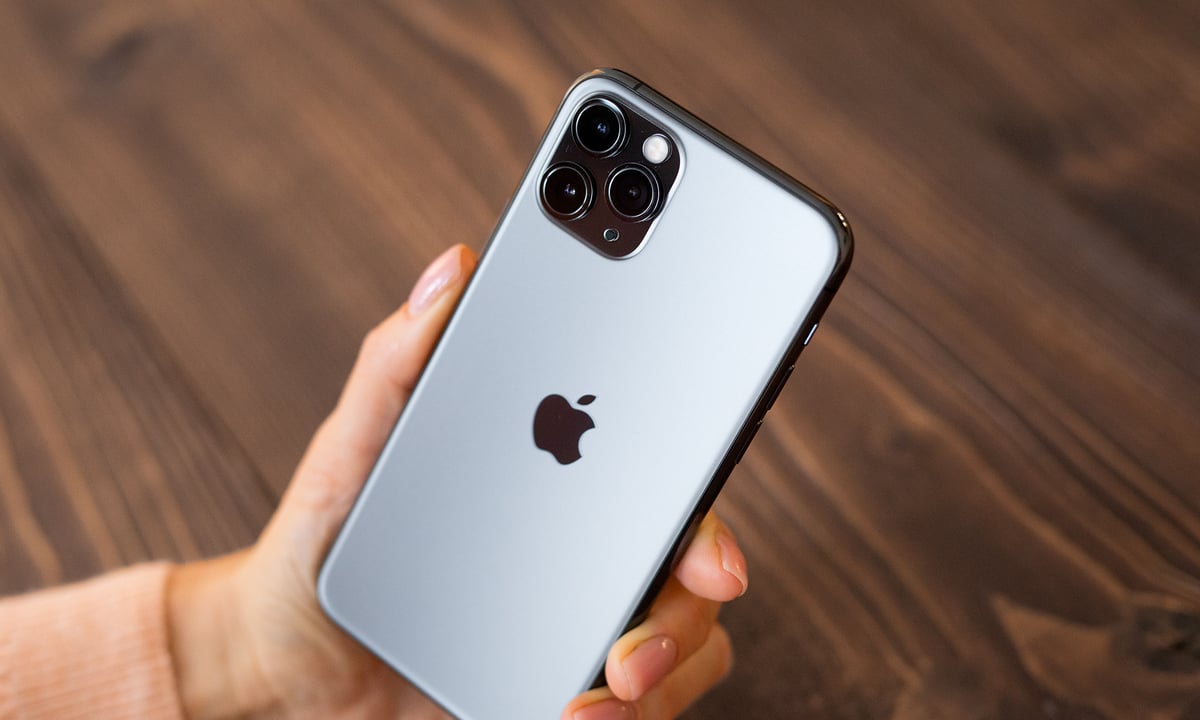
On July 14, PrismML released Bonsai 27B, a free AI model compressed to 3.9 gigabytes that runs on iPhone 17 Pro, iPad, Mac, and PCs while retaining roughly 90% of the original model's performance. The company's CEO told CNBC that Apple is in "very early" discussions about the technology.
Why it matters
Apple's latest A19 and A19 Pro chips feature neural accelerators designed to run AI locally on devices. If compressed open-weight models like Bonsai become viable consumer options, they could shift the economics of AI inference away from paid cloud services—OpenAI's conversion rate is around 5.5% of its roughly 900 million weekly active users—and raise Apple's hardware costs while amplifying the need for its own foundation model strategy, which has so far underperformed.
What to watch
Apple's Siri AI has been in public beta testing for a few weeks with positive feedback reported on the company's July 30 earnings call. In July, Apple sued OpenAI in federal court alleging trade-secret theft by former engineers, signaling the intensity of the consumer AI competition ahead.
Summaries like this, in your inbox every morning.
PrismML's release of Bonsai 27B marks a concrete shift in the feasibility of running capable AI models directly on consumer hardware. The 3.9-gigabyte footprint—compressed from a 27-billion-parameter model built on Alibaba's open-weight Qwen—represents a technical breakthrough because shrinking open models while retaining performance at this scale has not been achieved before. For Apple, the timing is significant: the company invested in neural accelerators within its A19 and A19 Pro chips explicitly to enable on-device AI, and management has publicly positioned the Mac and latest iPhones as premier platforms for running advanced AI locally.
The economics of consumer AI are shifting in ways that could undercut the monetization strategies of frontier labs. OpenAI reached 900 million weekly active users but converts only about 5.5% to paid subscribers—roughly 50 million. As open-weight alternatives improve and require no subscription fee, the opportunity for inference-based revenue shrinks. Apple's business model differs: it profits from selling devices, not from AI inference, so a wave of free, local AI means higher memory and processing demands on hardware, raising Apple's cost of goods sold. However, Apple's own AI execution has lagged—Siri underwent a rebuild and missed internal testing benchmarks in February, though management signaled optimism on the July 30 earnings call after a few weeks of positive public beta feedback. The July lawsuit against OpenAI, alleging trade-secret theft by former engineers, underscores how intensely Apple is now competing in the consumer AI space and how much is at stake in controlling the on-device narrative.
Pick your industry and the AI tools you use, and get news related to your work every day.
Free · 30 seconds with Google · unsubscribe anytimeWhat is AIToday? →
Ask AI anything about this article. The AI reads this article, earlier AIToday articles, and Wikipedia, and cites its sources. Q&As are published on this page for other readers too.
Cerebras chief strategy officer Andy Hock said that over the past two months, foundation labs and enterprises…
nFOX Lab launched the nFOX Platform for managing owned large language models and announced plans to open-sourc…

Oppenheimer said investors look forward to understanding the return on Meta's AI assistant Muse, which UBS ana…

DBS's CEO warned of "shortages of capital" for AI, while Volta's $5 billion data center faces tougher terms, C…

Anthropic told investors its Q3 revenue reached $16.8bn, up nearly 50%, after about $4.8bn in Q1 and $11.5bn i…

Bank of America CEO Brian Moynihan said 1,000 outside contractors joined 3,000 internal employees fixing vulne…