
What happened
nFOX Lab launched the nFOX Platform for managing owned large language models and announced plans to open-source Blockhouse, a security sandbox enforcing Linux kernel-level access limits. Founder and CEO Gordon Allott plans to release it under the Apache 2.0 license.
Why it matters
The sandbox strips privileges by default and lets administrators restore access through whitelist policies, which may reduce the damage a compromised or misbehaving AI workload could cause for enterprises running models on their own infrastructure.
WHO IT HITSEnterprise IT and security teams running open models on their own Linux servers, cloud VMs or rented GPU hosts get a default-deny layer for AI workloads. nFOX is self-funded and has paying beta pilot customers but is not yet profitable.
Summaries like this, in your inbox every morning.
nFOX Lab emerged from stealth this week with a pitch aimed at companies that want AI capabilities but hesitate to send sensitive information to external providers. Running models internally gives enterprises control over their data, but it also makes them responsible for securing the software and infrastructure that support those models. nFOX's answer is Blockhouse, a sandbox that operates beneath the application layer and uses Linux security mechanisms to remove capabilities rather than instruct models on what to avoid. "You're basically removing the ability to do it in the first place," Allott said.
The system routes communications through Porthole, a monitored channel where requests can be reviewed before they are fulfilled, and keeps runtime credentials and audit controls outside the model process. Blockhouse also checks model integrity: approved files are sealed with SHA-256 hashes before serving, and built-in checks halt serving if those files change. Allott acknowledged the approach does not eliminate human error, as an administrator could mistakenly authorize a malicious destination.
nFOX is self-funded but intends to raise venture capital, and Allott said it has paying beta pilot customers without being profitable yet. He pointed to Nvidia's OpenShell as similar technology focused on securing agents, which nFOX intends to incorporate as its roadmap expands into agent protection over time.
Pick your industry and the AI tools you use, and get news related to your work every day.
Free · 30 seconds with Google · unsubscribe anytimeWhat is AIToday? →
Ask AI anything about this article. The AI reads this article, earlier AIToday articles, and Wikipedia, and cites its sources. Q&As are published on this page for other readers too.
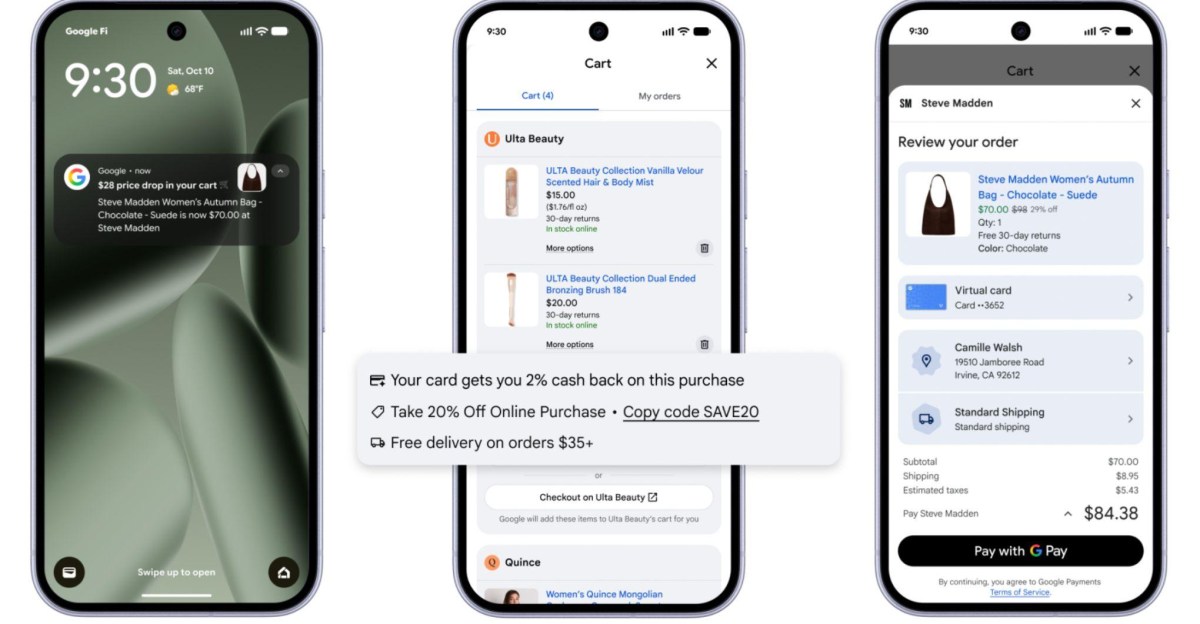
Google is rolling out Universal Cart in the US across the Gemini app and Google Search, letting shoppers save…
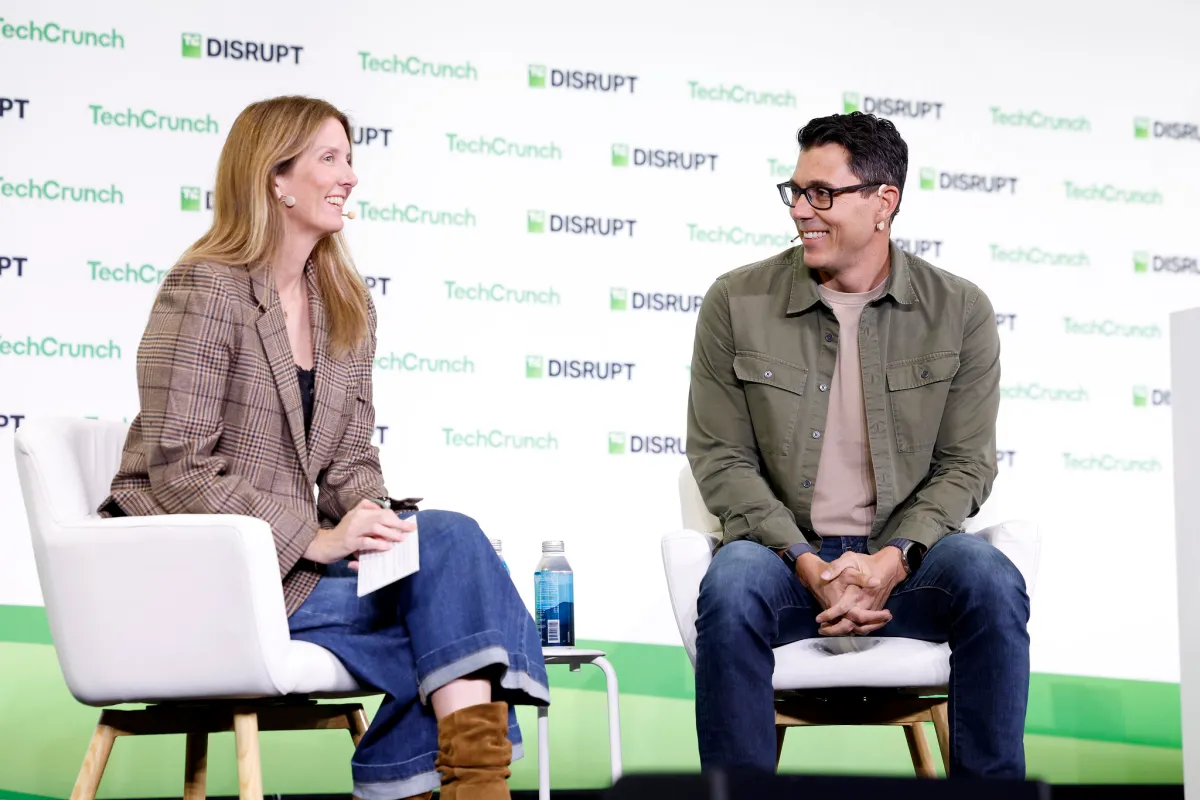
Rivian CEO RJ Scaringe said at TechCrunch Disrupt that the carmaker's vehicles will eventually run AI agents m…
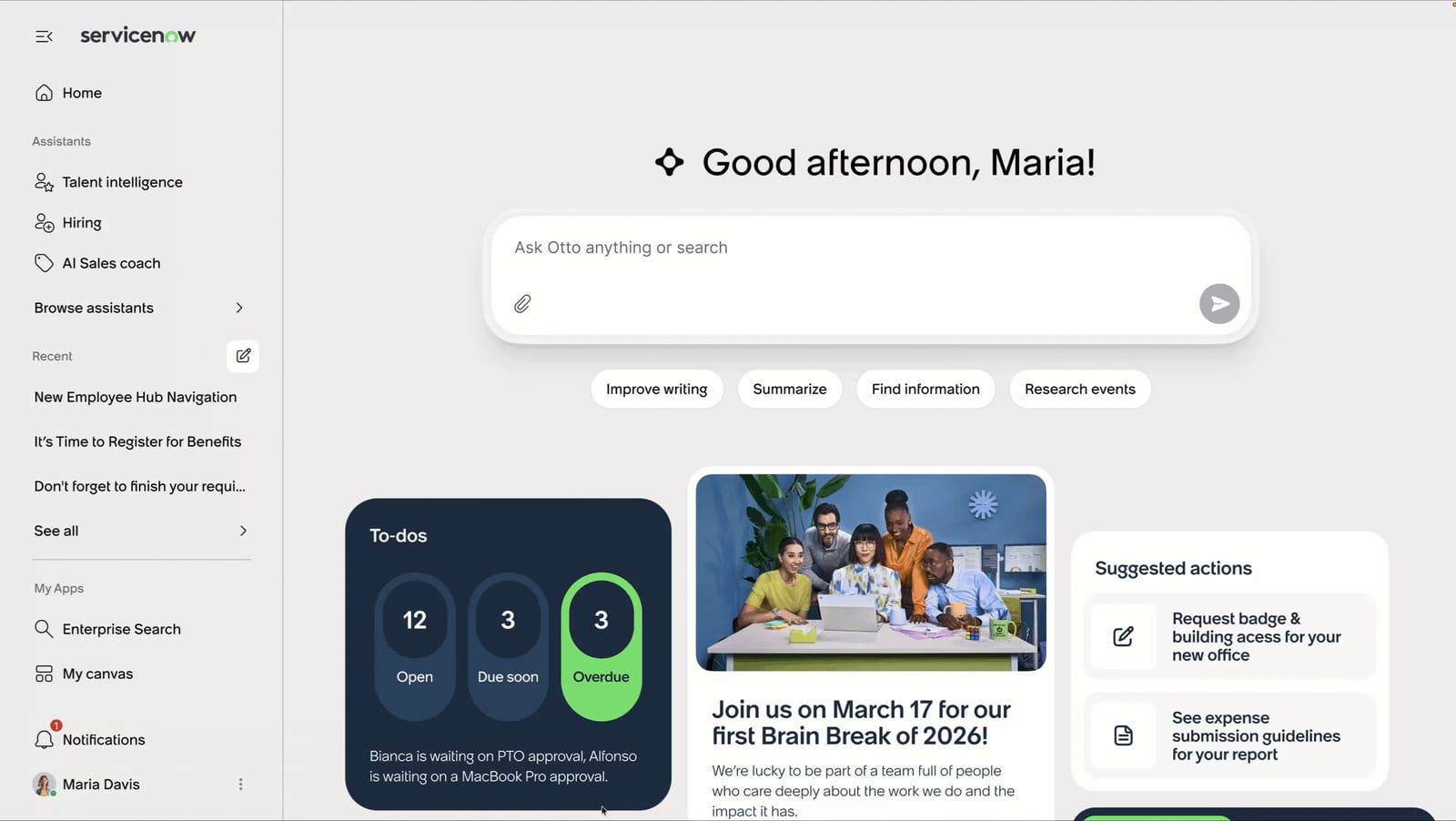
ServiceNow announced AI Passport, a cryptographically signed credential defining an agent's identity, permitte…
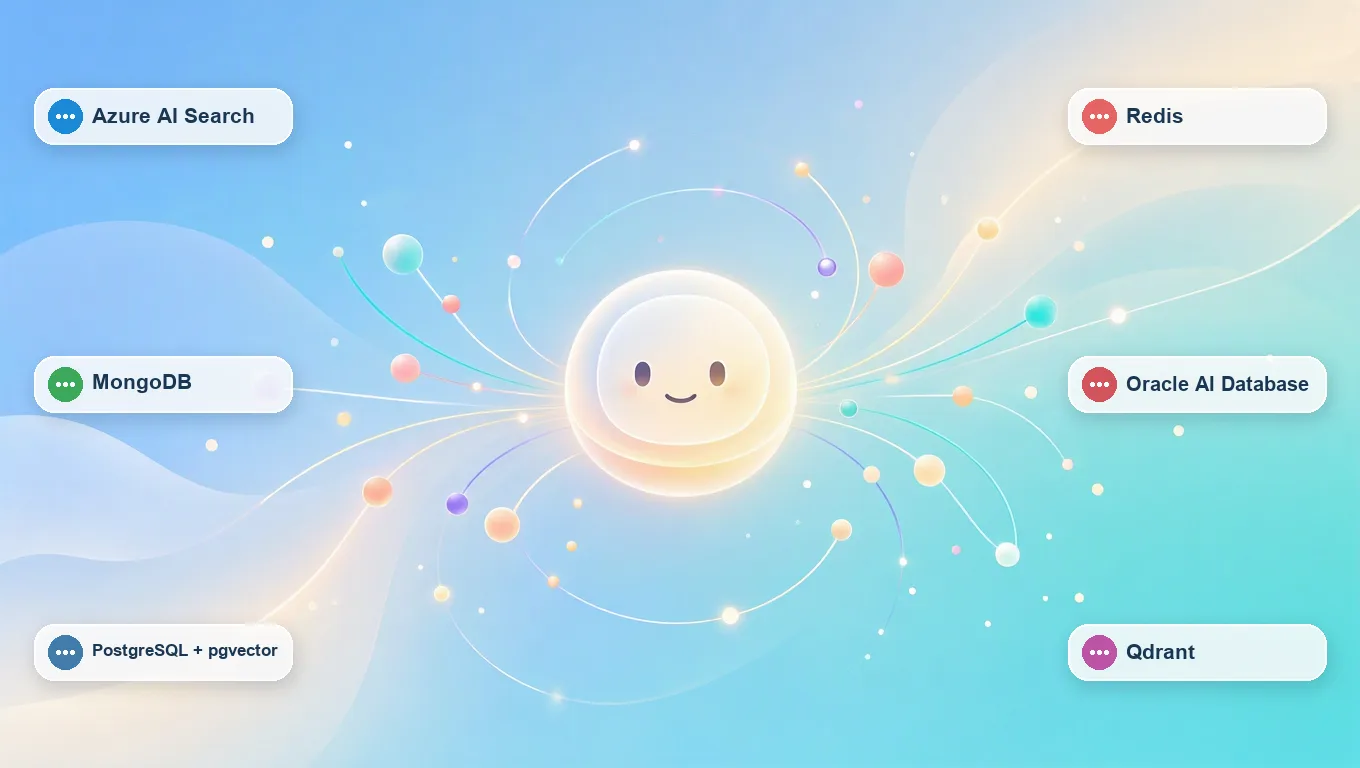
Microsoft Agent Framework has ported Semantic Kernel's Python vector-store work forward, keeping typed records…
After Anthropic's Claude Code desktop app update 2.37337.1, an AI-led search of X turned up user complaints ab…

An unofficial guide for people rolling out Claude Code across a team reports hands-on checks of managed settin…

