What happened
Google, Anthropic, Meta, OpenAI, xAI, and Nvidia signed "The White House Accord on Super Intelligence" Tuesday, after a luncheon held by President Donald Trump. The statement says companies "should implement" internal controls, an empowered internal team, an external monitor, and a board committee.
Why it matters
The accord is voluntary and, as Trump described it, an act of "tremendous self-regulation" — not the sweeping regulation that people inside the companies themselves have been asking for, according to the article.
What to watch
Whether the agreement has teeth hinges on enforcement: former FTC chief technologist Neil Chilson said the pledge is something the agency "could potentially enforce" if a company materially failed to follow through, but he and other observers suggest that alone is unlikely to produce sweeping reforms.
WHO IT HITSLegal and policy teams at frontier AI labs, who now hold a public statement of commitments their boards may be asked to monitor, and consumer-protection staff at the Federal Trade Commission, which is reportedly examining AI companies over potential consumer protection issues.
Summaries like this, in your inbox every morning.
The accord did not arrive in a vacuum. The statement is described as the culmination of weeks of debate over AI regulation, and it follows frontier AI labs seeking an antitrust exemption so they can coordinate on safety work without regulatory scrutiny — an exemption that antitrust experts and practitioners say is unneeded. There has also been a lot of build-up, though this is not the first voluntary AI safety agreement these companies have signed with a government.
The limits of the document are visible in how it is worded. It says companies "should implement" safeguards rather than requiring them, and the article notes that any hopes for a blanket blessing from the US government were quickly dashed after news broke that the Federal Trade Commission intends to investigate several AI companies over potential consumer protection issues. The FTC reportedly plans a "sweeping probe" into Anthropic, OpenAI, other unnamed frontier labs, and a nonprofit called METR, though the agency still hasn't issued civil investigative demands and a spokesperson declined to detail the consumer protection concerns.
Whether the accord ends up mattering more than the paper it is written on may hinge on enforcement rather than on the pledge itself. Even if an investigation identifies violations, former FTC public affairs head Douglas Farrar is skeptical that action follows, saying he doubts Trump will allow legal action with teeth against these companies. The test, then, looks likely to be whether any enforcement survives political pressure — a question that matters most to the compliance and legal teams now tasked with turning four bullet-point commitments into board-level practice.
Pick your industry and the AI tools you use, and get news related to your work every day.
Free · 30 seconds with Google · unsubscribe anytimeWhat is AIToday? →
Ask AI anything about this article. The AI reads this article, earlier AIToday articles, and Wikipedia, and cites its sources. Q&As are published on this page for other readers too.
DIGITIMES reported the SiC substrate market is finally seeing signs of recovery, after prices collapsed when w…

HENNGE said on October 1 it set up HENNGE AI, a subsidiary with only two directors and no other employees, whe…
Pershing Square sold its entire Alphabet stake and topped off Microsoft while it sat about 20% below its Q2 hi…
Aolani will integrate Karman's power orchestration platform, built on a custom NVIDIA Jetson Orin Nano and tar…

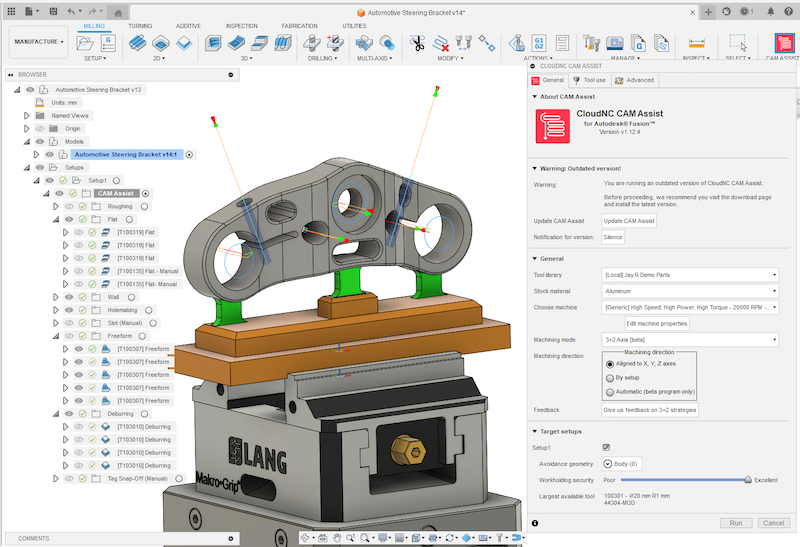
CloudNC raised $20 million led by Nimble Ventures, with Calculus Venture Capital, Entrepreneur First and LM Ve…
Pony.ai and Verne began fully driverless Robotaxi test rides with passengers on public roads in Zagreb, along…