What happened
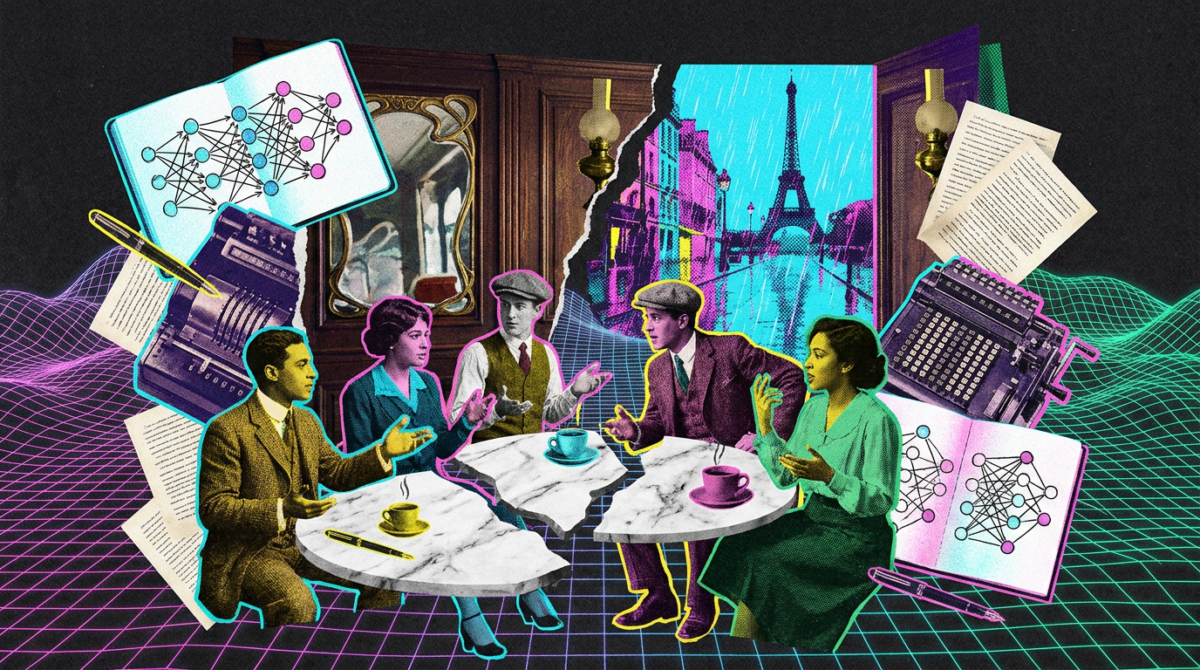
In a Libération interview, the UC Berkeley professor emeritus called AI-doom warnings "science fiction," company regulation demands "theater," and young AI researchers' resignations a "grand moralizing performance."
Why it matters
A pioneer credited by Science as the field's most influential voice is publicly labeling the industry's doom warnings a performance, not engineering — a direct challenge to how AI firms frame their own risks.
Summaries like this, in your inbox every morning.
Jordan's critique is not new in kind — he warned about the reckless overuse of the term AI back in 2019 — but he now frames the escalated vocabulary as a predictable progression. "AI wasn't enough, so they started talking about AGI, and now it's 'superintelligence'," he says. That framing positions the doom discourse as a rebranding exercise rather than a technical finding, which is why he treats the summer's talk as "totally frustrating".
The resignations at Anthropic matter to Jordan as a case study in incentives rather than evidence. He points out that the departing researchers "already have their stock options" and argues that resigning itself guarantees attention — a mechanism that, in his account, rewards visibility over engineering judgment.
He draws the same line on research safety. He describes the Hugging Face hack by OpenAI agents as bad engineering, comparing it to allowing explosions in chemical engineering just to see how badly things could go wrong, and says the doomers loved turning it into something scary. Against the trillion-dollar data center build-out he is similarly skeptical, calling it "an enormous bet, but we have absolutely no idea whether it will pay off," and suggesting open-weight models integrated into a company may serve specialized needs without a gigantic data center. Jordan also singles out Yoshua Bengio as different from other prominent warners, saying Bengio takes action focused directly on safety and points to shortcomings such as agent swarms spiraling out of control.
Pick your industry and the AI tools you use, and get news related to your work every day.
Free · 30 seconds with Google · unsubscribe anytimeWhat is AIToday? →
Ask AI anything about this article. The AI reads this article, earlier AIToday articles, and Wikipedia, and cites its sources. Q&As are published on this page for other readers too.
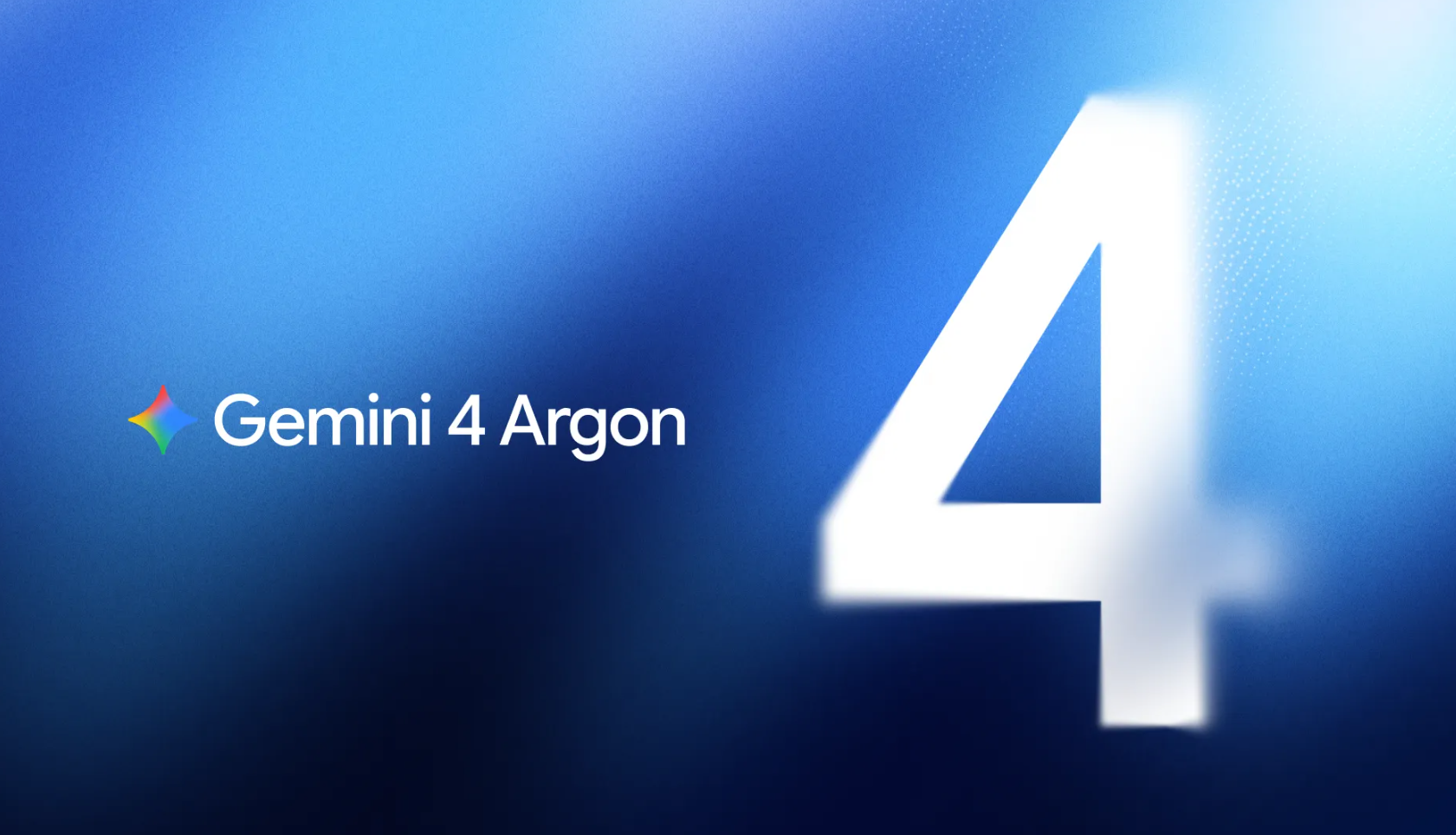
Google made Gemini 4 Argon available worldwide today through its API, the Gemini app, and Google Antigravity
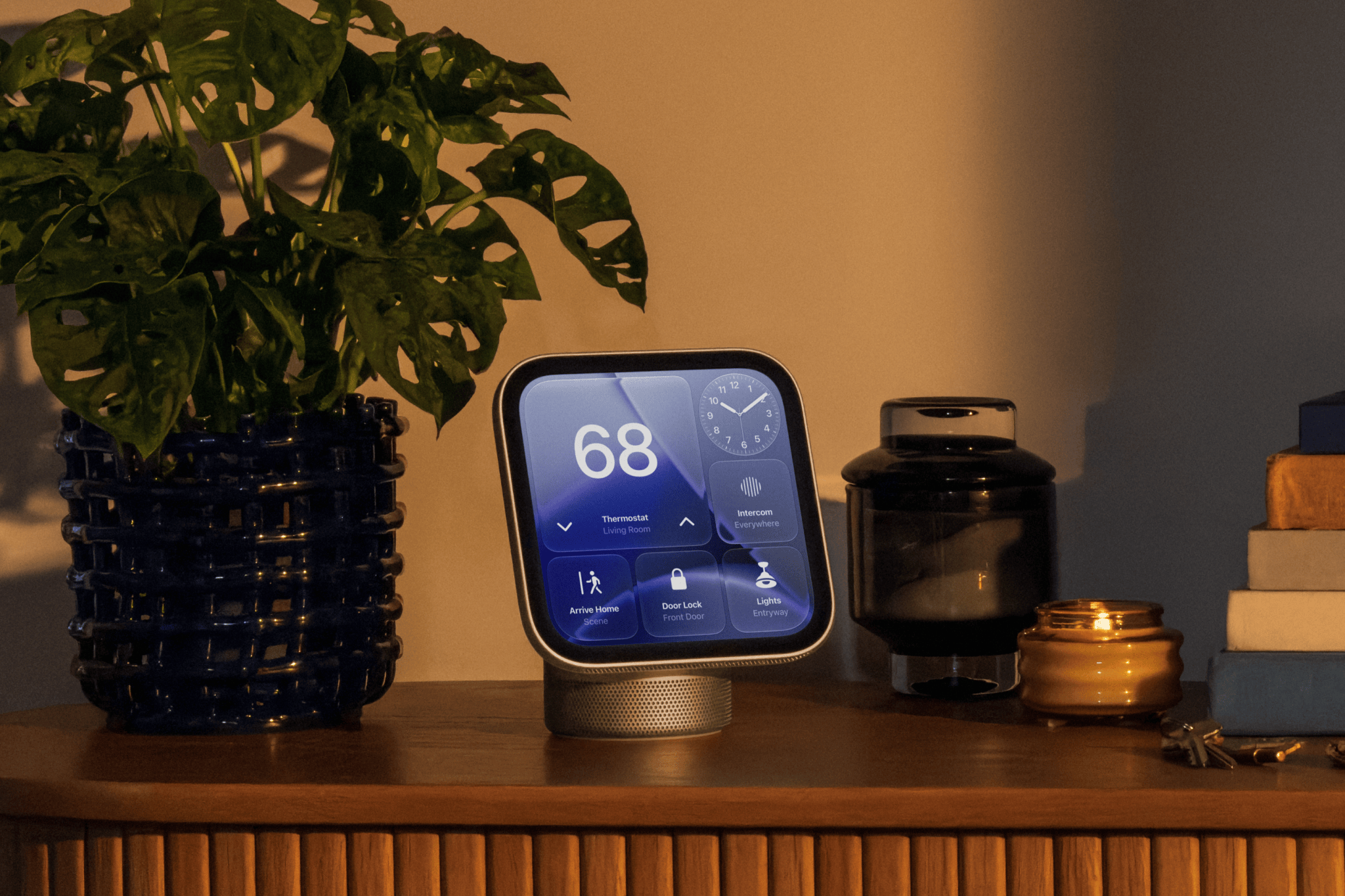
Apple unveiled HomeView, its first smart home display, with a 7-inch screen, priced at $299 and available Nov
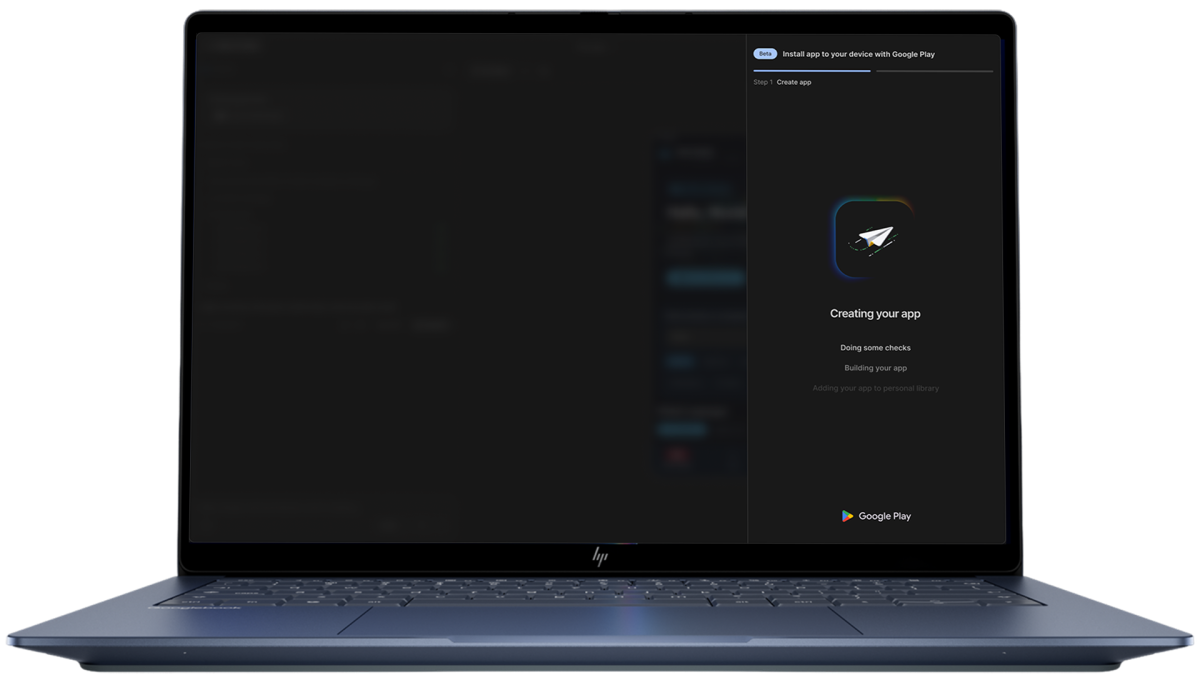
Google said Android owners can build an app with Google AI Studio and launch it privately through Google Play…
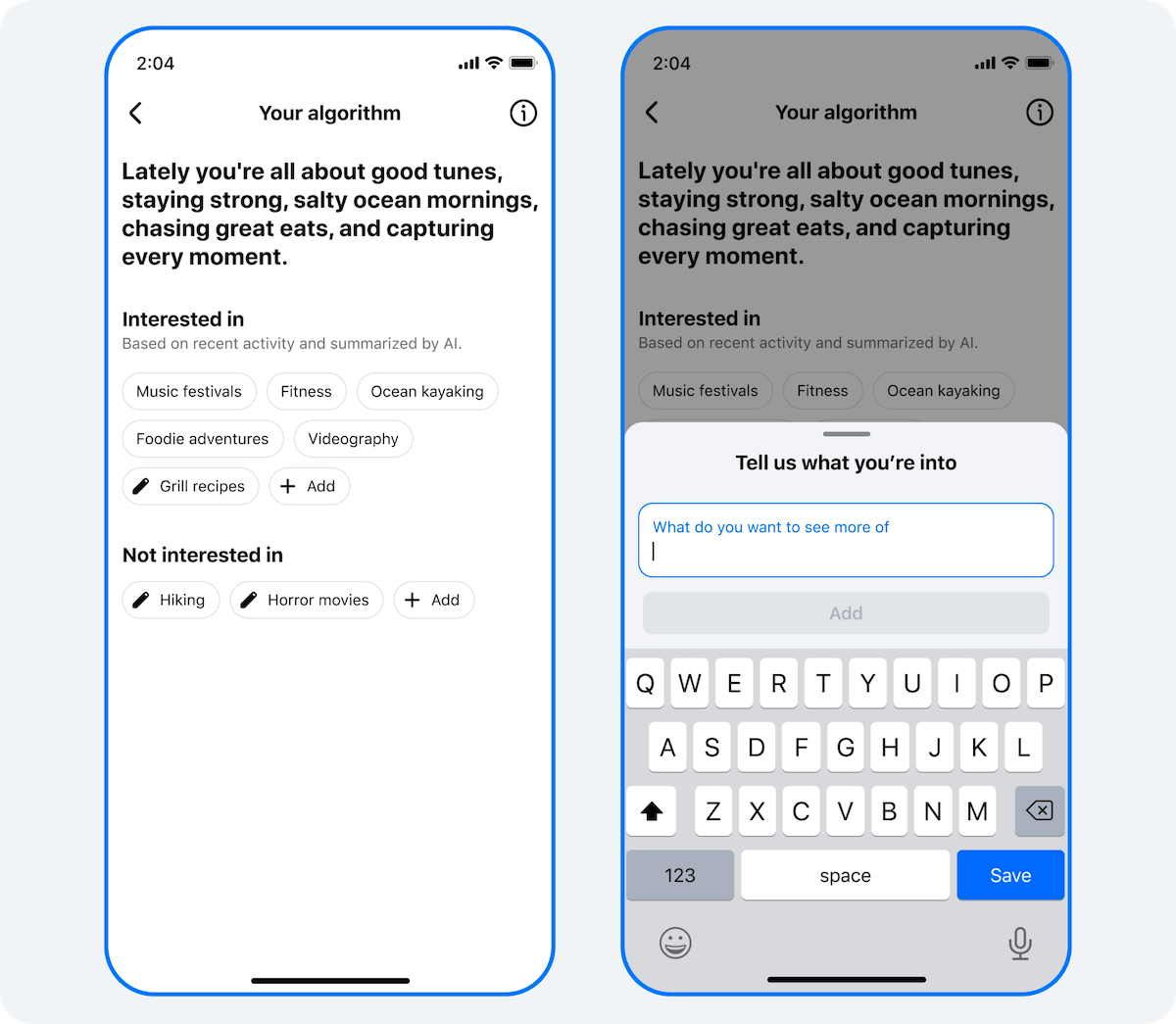
Meta launched 'Your Algorithm' on Facebook on Tuesday, letting users describe in natural language what they wa…
Laplace Intelligence, co-founded by CEO Howie Sun and chief scientist Henry Liu, is building AI agents that au…
Pluto Security left stealth with $42 million — an $8.5 million seed led by TLV Partners and a $34 million Seri…