
What happened
Laplace Intelligence, co-founded by CEO Howie Sun and chief scientist Henry Liu, is building AI agents that automatically design corner cases to stress-test robots and autonomous vehicles, and it is already profitable with customers including Isuzu, Bot Auto, and Nvidia.
Why it matters
Self-driving and robotics developers currently rely on recorded footage or human-designed edge cases, and Laplace is betting AI-driven testing becomes the standard as generalized robots reach warehouses, where no one knows what the edge cases will be.
WHO IT HITSAutonomous vehicle and robotics engineering teams that need to validate safety before deployment are the direct buyers, and insurers and regulators may eventually rely on the evidence trail Laplace aims to build.
Summaries like this, in your inbox every morning.
Laplace Intelligence traces its origins to academic research. CEO Howie Sun spent eight years studying how to challenge autonomous driving AI in simulation, and in 2023 he and his then-PhD adviser Henry Liu published a paper on the subject that landed on the cover of Nature. That paper prompted calls from autonomous vehicle companies, which led Sun to turn the research into a product. The company is named for "Laplace's demon," an 1814 thought experiment by Pierre-Simon Laplace about predicting the future from complete knowledge of the present.
Its technical approach rests on a simulation environment built as a post-trained version of Nvidia's Cosmos, a world simulation platform. Laplace reconstructs real locations — from an Arizona highway to a Paris pedestrian crossing — by blending real-world map data, and developers can change the setting in real time using language prompts, such as adding afternoon traffic. Sun says the company pulls real-time traffic and congestion information from navigation providers like TomTom. Crucially, the other actors in the scene are simulated too: in a demo, when Sun directed the test vehicle to swerve into oncoming traffic, the car it would have hit moved out of the way rather than letting the vehicle pass through it.
Commercially, the startup stands out for reaching revenue and a modest profit while still early-stage. Most of that money comes from autonomous driving use cases, and most contracts are project-based today; the company is working toward recurring revenue. Its near-term goal is to raise funds and scale so it can compete with rivals, chief among them Applied Intuition, which has raised $1.2 billion to date at a $15 billion post-money valuation. Sun argues Laplace's methodology of using AI to test AI is a new paradigm for physical AI testing and will be its biggest moat.
Pick your industry and the AI tools you use, and get news related to your work every day.
Free · 30 seconds with Google · unsubscribe anytimeWhat is AIToday? →
Ask AI anything about this article. The AI reads this article, earlier AIToday articles, and Wikipedia, and cites its sources. Q&As are published on this page for other readers too.
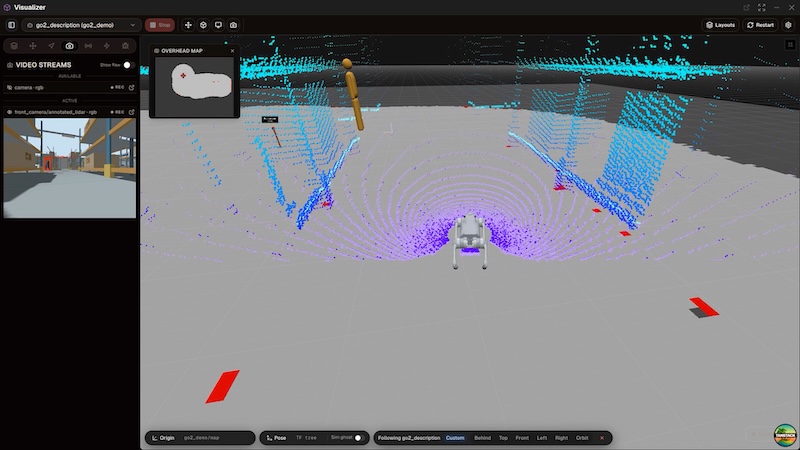
Scan Computers partnered with Sheffield-based OLO Robotics to combine Scan's robotics hardware with OLO's brow…
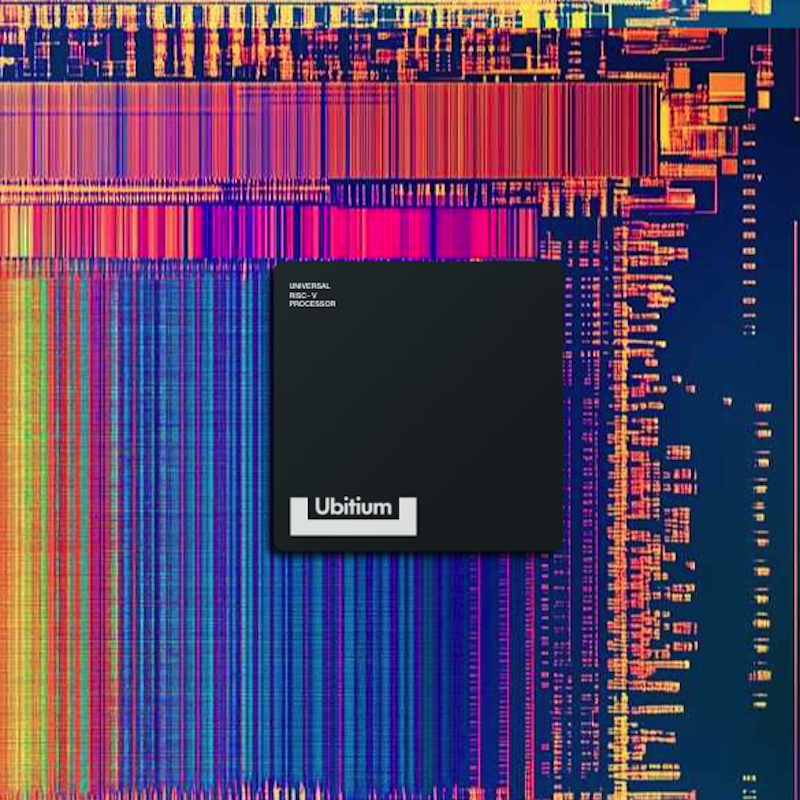
Ubitium raised $14 million in seed funding led by Ibex Investors, bringing total seed funding to $18 million s…
In a Libération interview, the UC Berkeley professor emeritus called AI-doom warnings "science fiction," compa…

Flox Intelligence, spun out of KTH in 2020, is opening a $10 million Series A after raising about $5 million i…

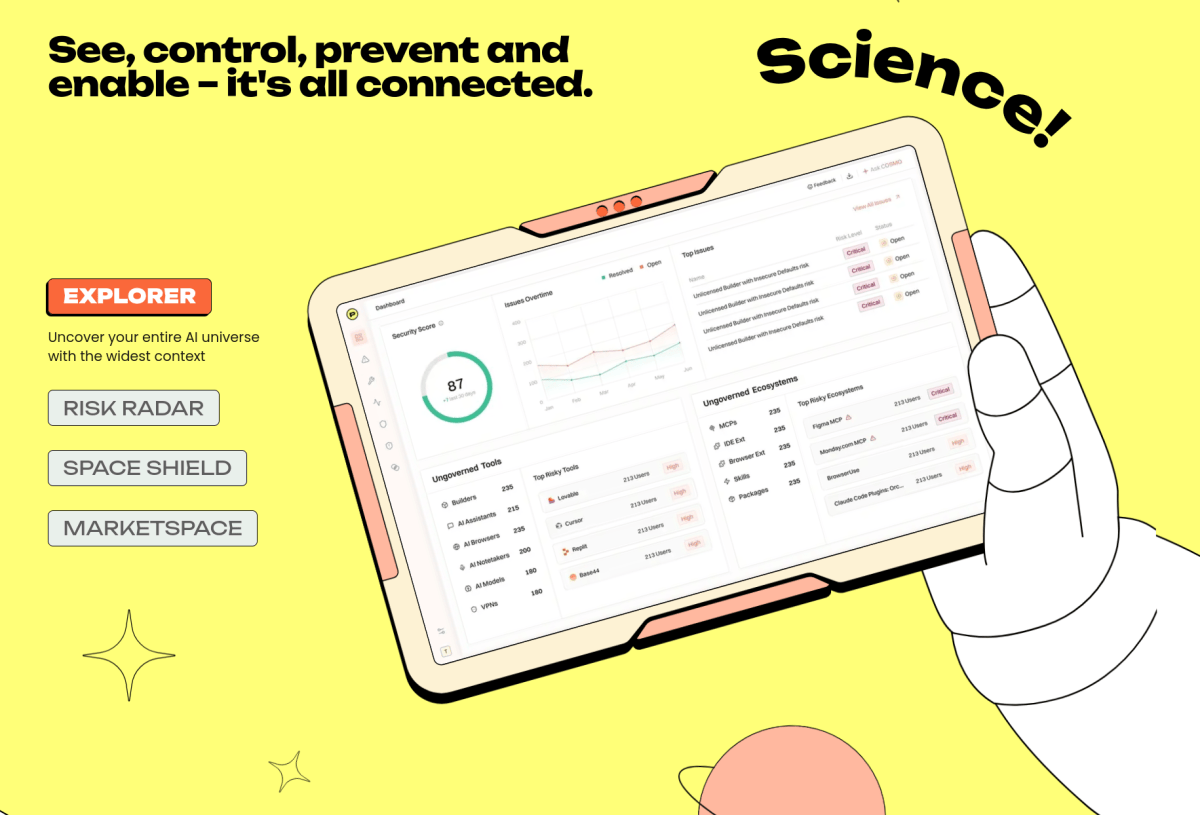
Pluto Security left stealth with $42 million — an $8.5 million seed led by TLV Partners and a $34 million Seri…
A verified Instagram account called miagoth_ posted an AI-generated image of actress Mia Goth that spread wide…