What happened
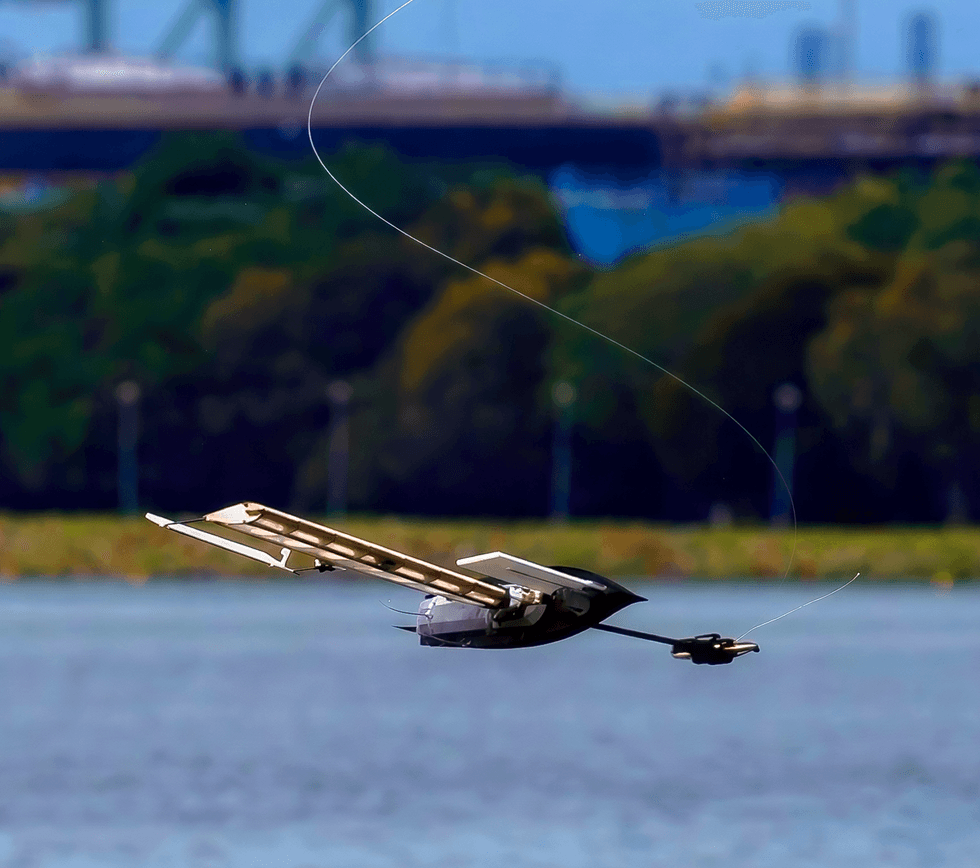
Singapore University of Technology and Design developed ALBATROSS, a hybrid aerial-marine robot that autorotates down to water without a parachute, passively self-rights after landing, and reuses its rigid wings as sails.
Why it matters
Using the same wings for autorotation and sailing with minimal actuation may let one platform handle aerial deployment and persistent marine sensing, rather than carrying separate systems for descent, landing, and propulsion.
What to watch
It is not yet clear whether such platforms can truly combine rapid aerial deployment with persistent, energy-efficient marine sensing. Watch for the peer-reviewed details behind the Science Robotics paper.
WHO IT HITSMarine researchers and ocean-monitoring teams who deploy sensors from the air could eventually use one robot instead of separate aircraft and boats, though the approach is still a research question.
Summaries like this, in your inbox every morning.
ALBATROSS is the outcome of an engineering bet: let the physical structure carry as much of the workload as possible. Instead of packing separate systems for aerial descent, landing, and marine propulsion, the robot relies on one set of rigid wings for both autorotation and sailing, with minimal actuation. That design choice is what allows it to be dropped from the air, spin down to the water without a parachute, and passively right itself before setting off under wind power.
The research comes out of Singapore University of Technology and Design, with a paper via Science Robotics. The team frames the work around a broader question rather than a finished product: whether platforms like this could combine rapid aerial deployment with persistent, energy-efficient marine sensing. If that combination proves out, it would address a gap between fast air delivery and long-duration presence at sea, though the body presents this as an open question rather than a demonstrated capability.
Pick your industry and the AI tools you use, and get news related to your work every day.
Free · 30 seconds with Google · unsubscribe anytimeWhat is AIToday? →
Ask AI anything about this article. The AI reads this article, earlier AIToday articles, and Wikipedia, and cites its sources. Q&As are published on this page for other readers too.
Michelle Lu, co-founder and CEO of Vsim Technology, appeared on Robot Talk Episode 164 to discuss using simula…

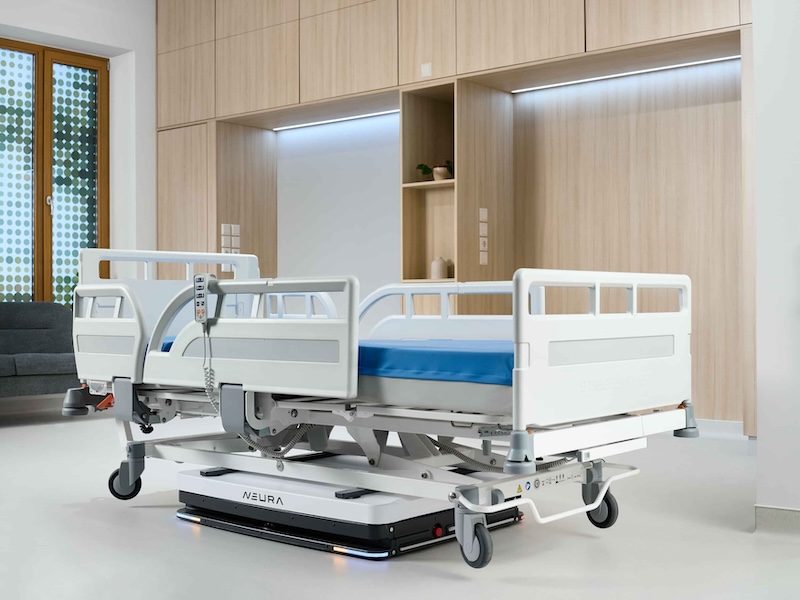
Neura Robotics set up Neura HealthTech, led by Sven Lange, to bring an autonomous mobile robot for empty-bed a…
Anthropic's new study says that if robot prices decline along past trends, it will take 40 years for robots to…
Astribot debuted its T1 humanoid to North America at IROS 2026, held September 27 to October 1 in Pittsburgh…
EQUES opened its Naraha Town office on September 8, and in 2026 began an 'Energy AI' business applying physica…

Flexiv demonstrated four force-controlled robot setups at IROS 2026, including a dual Rizon 4 teleoperation sy…