
What happened
Cybersecurity firm Censys said it identified more than 800 distinct deployments of Artex, an open-source autonomous penetration testing tool, accessible from the web without a password.
Why it matters
The software does not require internet access, so the exposure looks like misconfiguration, raising the chance outsiders find and misuse these systems, which also host implants used for persistent network access.
WHO IT HITSSecurity teams at organizations running or assessing AI-driven penetration testing tools may need to check whether their Artex instances are unintentionally reachable from the internet, since exposed systems can leak attack tools and implants.
Summaries like this, every morning.
Artex emerged as a free alternative for security professionals who cannot access the most advanced cybersecurity AI models from Anthropic or OpenAI. Its open-source nature made it easy to download and run, but also easy to misconfigure. Censys's finding that more than 800 deployments are reachable without a password suggests many users left the tool exposed, even though it does not need to be internet-accessible. That exposure matters because the same systems can host implants and other attack tools, effectively lowering the barrier for anyone who finds them. The tool has already been tied to real-world incidents: CrowdStrike attributed a September attack on the Korean finance industry to a Chinese-speaking hacker who used an Artex instance, and Microsoft reported that hackers used Artex in an October breach of ConnectWise to steal data from cloud environments at high speed. Many of those attacks exploited simple weaknesses like weak passwords and missing multi-factor authentication. Artex's move to closed-source may slow new releases, but copies of its code remain on code-sharing sites and can still be used in active attacks.
Pick your industry and the AI tools you use, and get news related to your work every day.
Free · 30 seconds with Google · unsubscribe anytimeWhat is AIToday? →
Ask AI anything about this article. The AI reads this article, earlier AIToday articles, and Wikipedia, and cites its sources. Q&As are published on this page for other readers too.
Vals tested AI models on simulated corporate networks; OpenAI's restricted Daybreak completed 81% of tasks, wh…

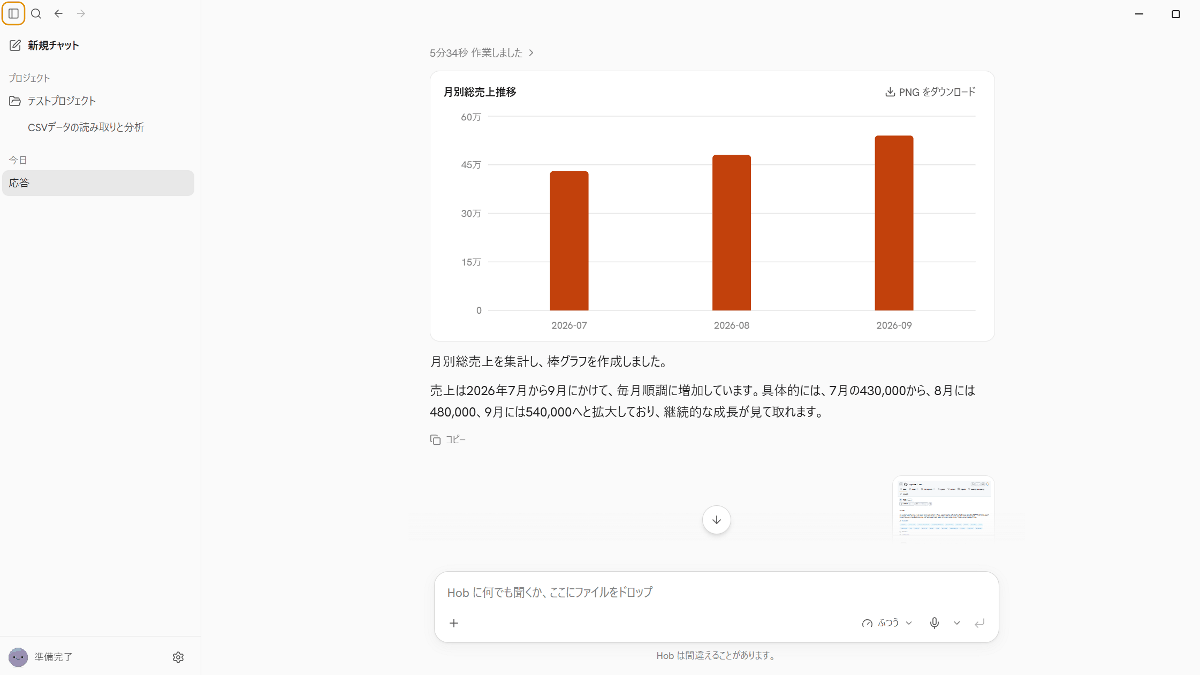
FrigadeHQ's Hob installs on Windows, Mac and Linux, scans the PC, and offers an AI model suited to its memory…
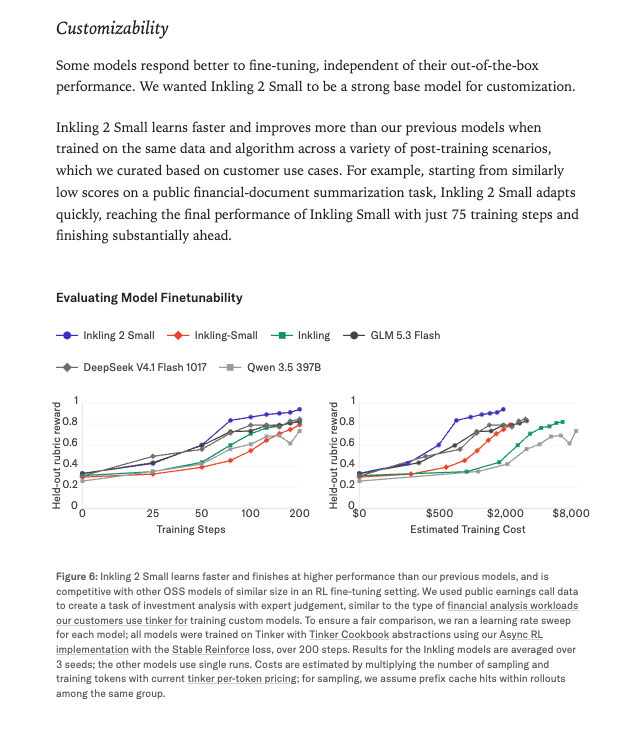
Thinking Machines released Inkling 2 Small, a 594B-total / 17B-active multimodal MoE, available now on Tinker
OpenRouter data shows open-weight models handled 71.7% of tokens among its top 50 models on September 28, 2026…

OpenAI announced GPT-6 Cyber on November 5, 2026, a model built for cybersecurity research that finds vulnerab…
The column argues running an AI-written tool locally keeps your photos off remote servers, since only what the…