What happened
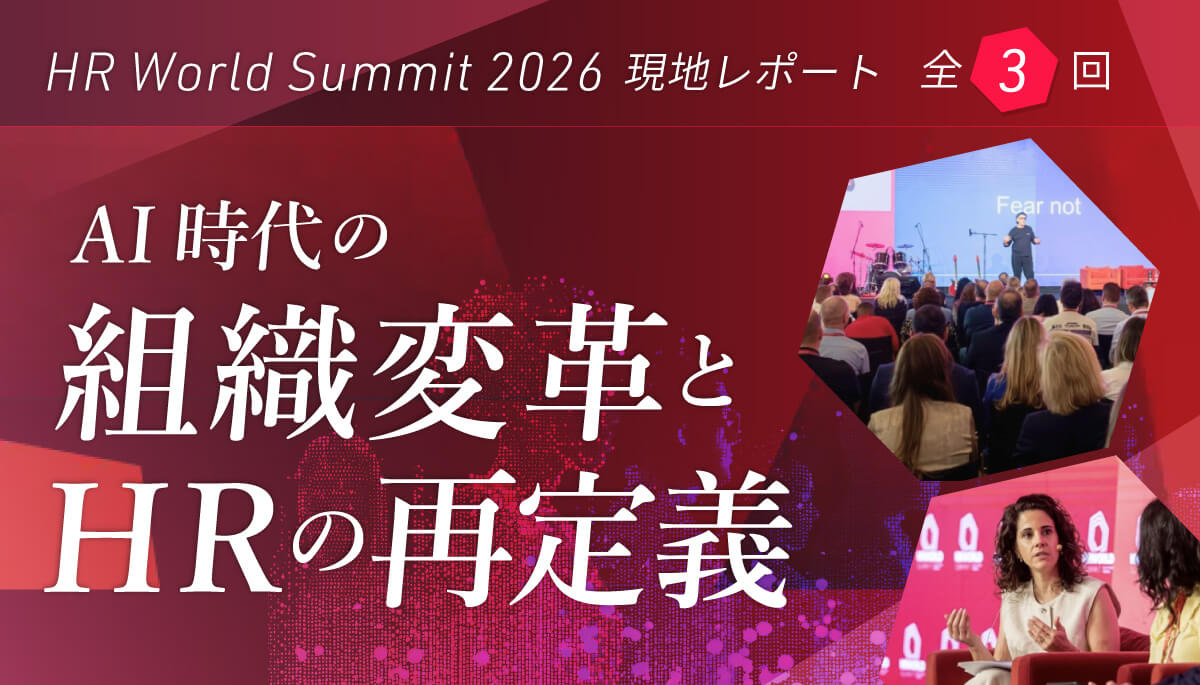
At HR World Summit 2026 in Porto, executives and organizational leaders discussed how AI is fundamentally reshaping work roles and responsibilities. The conversation centered not on technology deployment but on how employees experience and absorb change—particularly their anxiety about shifting job security and identity in an AI-native organization.
Why it matters
While CEOs commit to sustained AI investment and 60% of core business processes may be automated by autonomous agents (AI systems that make decisions independently), leaders report that 89% feel AI has not yet improved overall organizational productivity. The gap suggests that technology alone cannot drive change; employees must understand and accept the transformation, or they retreat into defensive behavior and lose their capacity to think critically.
What to watch
Organizations like Spain's Naturgy and the BBC are piloting new approaches—embedding AI into workflow redesign with clear accountability rules, and training 3,500 team leaders in values-based leadership over one year. The body of evidence points to a single bottleneck: whether HR can reframe its role from policy administrator to architect of psychological safety and meaning-making during upheaval.
Summaries like this, in your inbox every morning.
The HR World Summit 2026 surfaced a paradox at the heart of AI-driven transformation: investment and capability building are soaring, yet perceived organizational impact is flat. The article attributes this gap to a mismatch between what leaders do (deploy tools, redesign workflows, set KPIs) and what employees actually experience (uncertainty about their future role and value). The body frames this not as a training or communication problem but as a failure of human understanding—the inability of organizations to recognize and address employee fear as a legitimate, rational response to real upheaval.
Two patterns emerge from the examples cited. First, organizations that separate rule-setting from psychological safety (Naturgy's accountability clarification without trust-building, or imposed process changes without dialogue) trigger defensive behavior: employees follow instructions mechanically, depend on AI output rather than exercise judgment, and lose the capacity to think critically. The risk is that organizations gain speed but sacrifice organizational intelligence. Second, organizations that invest in manager capability (BBC's leadership development focused on empathy and support) create conditions where change feels negotiable rather than dictated—where employees can question, understand, and eventually internalize transformation as personally meaningful.
The article suggests that Humanity—understood not as sentiment but as intentional design of psychological safety and meaning-making—is a prerequisite, not a luxury, for productive AI transformation. Without it, the body implies, technology becomes a mechanism for compliance, not a lever for growth.
Pick your industry and the AI tools you use, and get news related to your work every day.
Free · 30 seconds with Google · unsubscribe anytimeWhat is AIToday? →
Ask AI anything about this article. The AI reads this article, earlier AIToday articles, and Wikipedia, and cites its sources. Q&As are published on this page for other readers too.
Wells Fargo hired an AI executive based in San Francisco, a move The Business Journals describes as part of em…

Amazon launched two Bee "personal AI" devices on Thursday: the $74.99 Bee Frontier wristband and the $99.99 Be…

Apple released MLX today, which runs the 816B-parameter Muse Spark Open on four Mac Studios at over 36 tokens…

Bloom Energy stock fell 4% to $229.83, still up 165% year to date, while Caterpillar slipped 3% to $727.55 and…

LogicMonitor announced its 2026 Elevate Award winners at its Elevate Community Conference in Chicago, honoring…

Sandisk, AMD shares fall as Anthropic adds to AI concerns, per Barron's