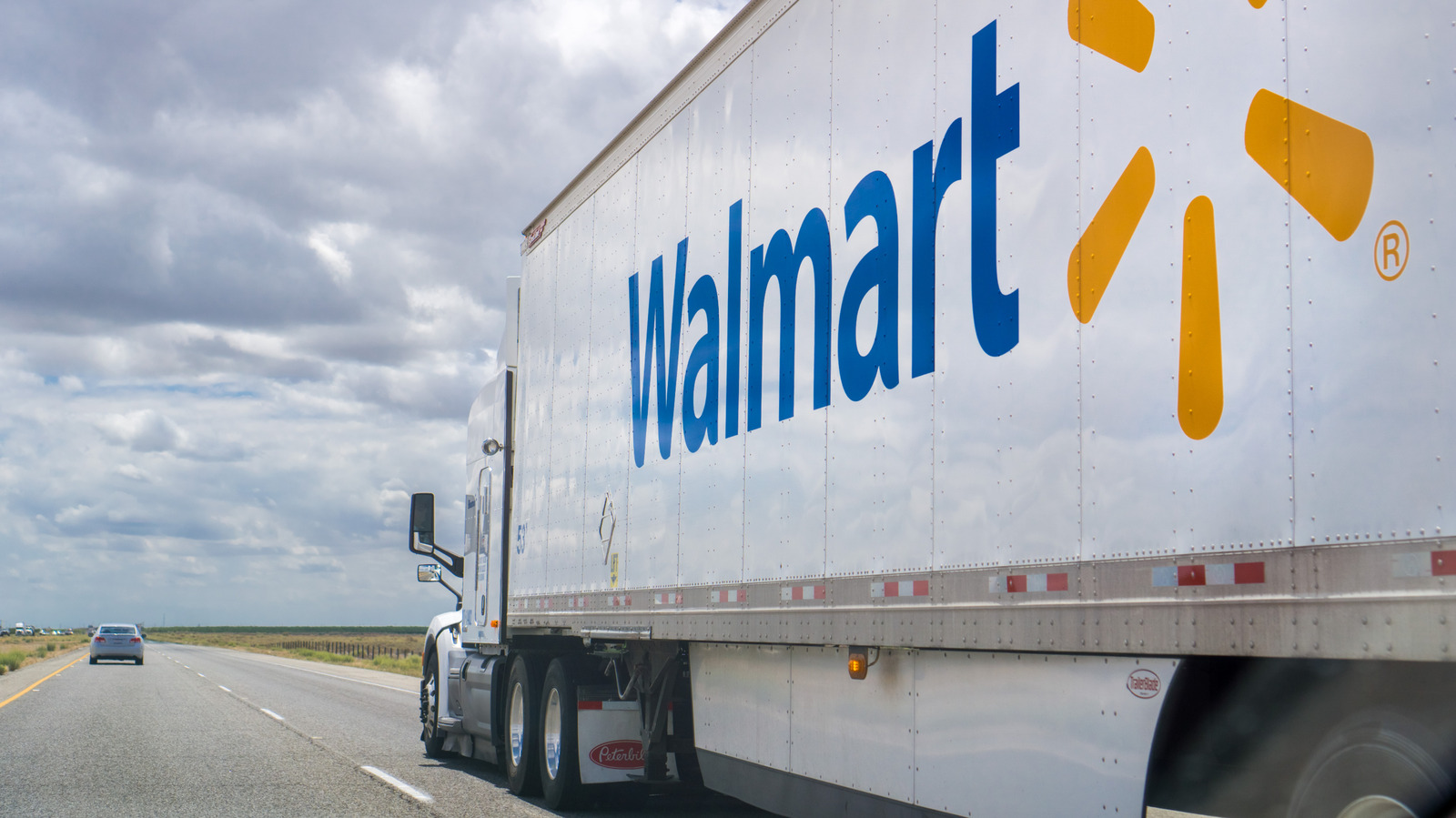
A Walmart load manager created an AI app that helps truck drivers find return-trip cargo, eliminating empty miles and allowing drivers to get home on schedule. The application automatically searches a geographic area and surfaces five ideal loads nearby, solving a chronic inefficiency in trucking logistics.
Summaries like this, in your inbox every morning.
Sign up free →What happened
Leo Garcia, a Bentonville load manager at Walmart who completed a Google AI certification program, built an AI app that automatically finds nearby truckloads for drivers to pick up on their way home. The app identifies five ideal loads in a specific geographic location, helping drivers eliminate inefficient "empty miles" — the unproductive parts of routes when trucks travel without cargo.
Why it matters
The app solves a long-standing logistics pain point for truckers and shows how AI can improve worker conditions rather than replace them. Garcia's example demonstrates practical impact: a driver who faced a three-hour delay found a different load five miles away through the app, kept to schedule, and got home on time — a direct improvement to working life.
What to watch
The article frames this as one of several examples of AI deployed constructively in logistics. DHL Express uses AI-powered sorting robots that process over 1,000 packages per hour and boosted sorting capacity by over 40%, while Frito-Lay deployed IoT sensors for predictive maintenance, achieving zero unexpected equipment failures in the first year.
Leo Garcia's AI app addresses a real inefficiency in trucking: drivers often cannot locate a profitable backhaul on their return journey, forcing them to drive empty. By automating the search for nearby loads ready to move to the same destination, Garcia's solution makes the driver's job both more efficient and more humane — getting workers home on schedule rather than delayed or forced to deadhead.
The article places this in a broader context of AI deployment in logistics that augments rather than displaces human workers. DHL Express paired AI-powered sorting robots with human oversight to boost capacity by over 40%, and Frito-Lay used IoT sensors with AI-driven predictive maintenance to eliminate unexpected equipment failures. These examples suggest that when deployed thoughtfully, AI tools in logistics can solve real operational bottlenecks while preserving or improving worker experience. Garcia's background as a former truck driver appears relevant — his direct knowledge of the pain point likely shaped a solution genuinely useful to the workforce.
No comments yet. Be the first to share your thoughts!
Log in to join the discussion




Get curated AI news from 200+ sources delivered daily to your inbox. Free to use.
Get Started FreeFree · takes 30 seconds · unsubscribe anytime
1 minute a day. The AI essentials.
200+ sources · Email / LINE / Slack
