What happened
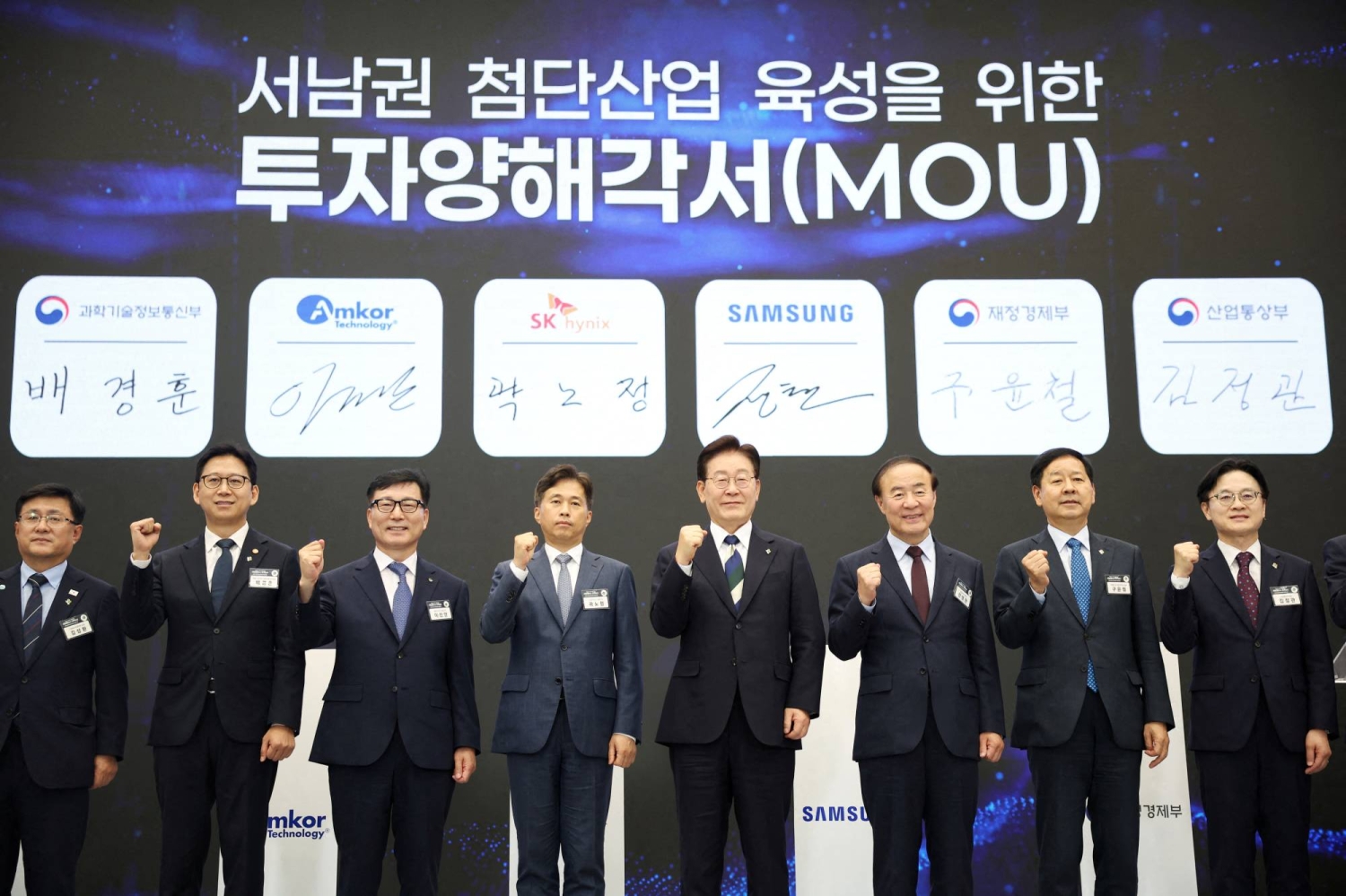
South Korea announced plans to build the Honam semiconductor industrial complex in its southwest region, estimated to cost at least 800 trillion won ($540 billion(約86兆円)), with a target completion date by the end of 2030. The project is central to President Lee Jae Myung's strategy to expand AI chip manufacturing beyond Seoul.
Why it matters
The hub aims to distribute the economic benefits of the AI semiconductor boom to South Korea's less prosperous regions. However, the project faces significant local opposition due to its massive power and water demands—companies like Samsung Electronics will need to secure new energy sources, which may prove challenging.
What to watch
Completion target is by the end of 2030. The critical obstacle is securing sufficient power and water infrastructure; how the government and Samsung resolve the energy supply question will determine whether the timeline holds.
Summaries like this, in your inbox every morning.
South Korea's Honam semiconductor complex represents an ambitious attempt to decentralize the country's semiconductor leadership and capitalize on the global AI chip boom. By situating the hub in the southwest—outside the prosperous Seoul metropolitan area—President Lee aims to share the economic gains of advanced chip manufacturing across the nation. The $540 billion(約86兆円) investment underscores the stakes: the country views semiconductor capacity as critical to its economic future.
Yet the project faces a fundamental infrastructure challenge that the body identifies as potentially its "biggest obstacle." The complex's massive power and water demands collide with regional resource constraints and local opposition. Samsung Electronics and other companies involved must locate and secure new energy sources—a non-trivial engineering and political problem that could delay or derail the timeline. The four-year window (through 2030) is aggressive given these constraints, suggesting that resolving the energy question will be the critical test of whether the hub materializes on schedule.
For example, today's edition would include:
AI-summarized, only the topics you pick — one digest a day via Email, LINE, or Slack.
Free · 30 seconds with Google · unsubscribe anytimeWhat is AIToday? →
Ask AI anything about this article. Q&As are published on this page for other readers too.
Rabbit Inc. unveiled OS3, a cloud personal AI agent installed via a single command on up to five machines, wor…
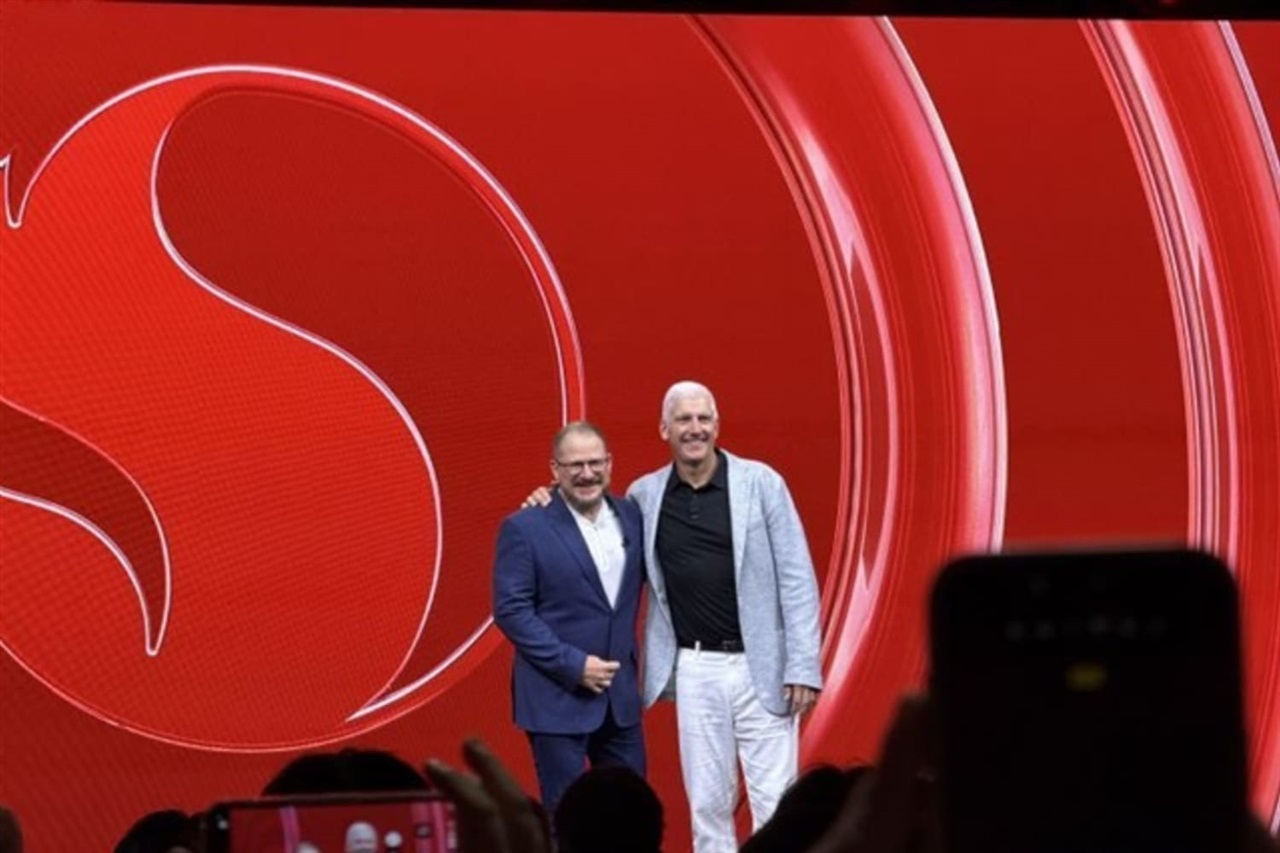
At Snapdragon Summit 2026, Qualcomm CEO Cristiano Amon hosted Google SVP Rick Osterloh to discuss the past yea…
On September 21, SoftBank launched more than $11 billion in dollar and euro bonds ahead of a $10 billion OpenA…

Advanced Micro Devices crossed a $1 trillion market value for the first time on September 21 after shares jump…

Redis launched LangCache, a managed semantic cache that stores full question-response pairs outside the model…
Trump told the UN General Assembly AI oversight is a 'globalist scheme,' while Sam Altman and Dario Amodei are…